


A Guide to Multi Gateway Payment Processing for Ecommerce
Level Up Today!
Book a DemoA "payment declined" message is one of the most frustrating experiences for a customer who is ready to buy. What many merchants don't realize is that these declines aren't always due to insufficient funds; they're often "false declines" caused by an overly cautious gateway. Each one represents a lost sale and a potentially lost customer. You can reclaim this lost revenue by building a more intelligent payment system. By implementing multi gateway payment processing for ecommerce, you can automatically retry a failed transaction through a different provider in milliseconds. This seamless failover process turns a potential cart abandonment into a successful conversion, directly improving your approval rates and protecting your bottom line while keeping your customers happy.
Key Takeaways
- Protect your revenue with a payment safety net: Using multiple gateways provides an automatic backup. If one provider has an outage, transactions are instantly rerouted to another, so your checkout stays live and you never lose a sale.
- Increase global sales while lowering costs: A multi-gateway setup lets you offer international customers their preferred local payment methods and currencies. It also allows you to use smart routing to send each transaction to the most affordable gateway, saving you money on fees.
- Manage everything from one central hub: Instead of juggling different dashboards, a unified platform brings all your gateways together. This simplifies everything from setting routing rules to viewing consolidated analytics, making a powerful strategy easy to manage.
What is multi-gateway payment processing?
Think of a payment gateway as the digital equivalent of a credit card terminal in a physical store. It’s the technology that securely captures and transmits customer payment data to the processor, making online transactions possible. While many businesses start with a single gateway, a multi-gateway strategy involves using two or more payment gateways to handle your transactions. This isn't about making things more complicated; it's about making your payment system smarter, more resilient, and ultimately more profitable.
By diversifying your payment gateways, you create a powerful safety net. If one gateway experiences an outage or technical difficulties, your system can automatically reroute transactions to another, ensuring you never miss a sale. This approach also allows you to be more strategic with your costs. You can direct specific transactions to the gateway that offers the best processing fees or the highest approval rates for that particular card type or region. For example, you might find one gateway is cheaper for domestic transactions while another offers better rates for international cards. A multi-gateway system lets you take advantage of both. Ultimately, this setup is a strategic move to improve your conversion optimization, reduce operational risks, and provide a smoother checkout experience for every customer.
How multiple gateways work together
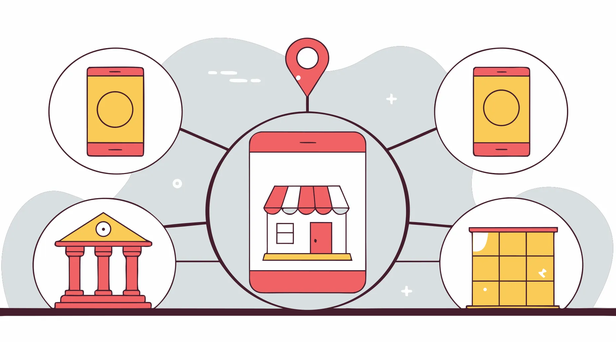
Instead of relying on a single provider, a multi-gateway system lets you create a flexible and powerful payment network. This setup allows you to offer a wider variety of payment methods and let customers pay in their preferred currency, which is a huge advantage for international sales. For example, you can route European transactions through a gateway that specializes in SEPA payments while using another for North American credit card transactions. This flexibility also protects your business. If one of your gateway providers suddenly increases its fees or experiences service disruptions, you can seamlessly shift your transactions to a different gateway without any downtime or lost revenue.
Key components of a multi-gateway system
A successful multi-gateway system relies on a few core components working behind the scenes. The most important is smart routing, which is an intelligent system that automatically sends each transaction to the optimal gateway based on rules you set, like minimizing costs or maximizing authorization rates. Another critical piece is automatic failover. This feature ensures that if a transaction fails on one gateway, it's instantly retried on another, preventing lost sales due to temporary glitches. Finally, to make sense of it all, you need centralized analytics and reporting that consolidates data from all your gateways into a single dashboard, giving you a clear view of your payment performance.
Why a single payment gateway is a risk
Relying on a single payment gateway for your entire business is like building your house on one pillar. It might seem sturdy enough, but if that one support fails, everything comes crashing down. While sticking with one provider can feel simpler initially, it exposes your business to significant risks that can impact your revenue, customer satisfaction, and growth potential. If your gateway has an outage, you can't make sales. If it doesn't support your customers' preferred payment methods, they might shop elsewhere. And if you plan to sell internationally, one gateway is rarely enough.
Thinking about these potential problems isn't about being negative; it's about being strategic. A single point of failure in your payment process is a vulnerability you can't afford to ignore. By understanding these risks, you can build a more resilient and flexible payment system that supports your business as it grows. A robust platform like Checkout Champ can help you manage these complexities by centralizing your e-commerce operations and giving you the tools to create a more stable payment infrastructure. Let's look at the specific challenges you can face when you depend on just one payment gateway.
Lost revenue from outages
Imagine it’s the busiest day of your biggest sale, and your payment gateway goes down. Every customer trying to check out gets an error message. Sales stop, shoppers get frustrated, and your revenue plummets. This isn't just a hypothetical nightmare; it's a real risk with a single gateway. Technical glitches, service disruptions, or even routine maintenance can bring your sales to a halt.
Beyond temporary outages, what if your gateway provider suddenly changes its terms, raises its fees, or goes out of business? If you don't have an alternative, you're stuck. Having multiple gateways means you can instantly reroute transactions if one fails. This failover protection prevents lost sales and keeps customers from abandoning their carts, ensuring your conversion optimization efforts don't go to waste.
Fewer payment options for customers
Today's shoppers expect convenience, and that includes paying with their preferred method. If a customer reaches your checkout and can't find their favorite option, whether it's Apple Pay, a specific digital wallet, or a buy-now-pay-later service, they might not complete the purchase. Relying on a single gateway limits the payment methods you can offer, creating unnecessary friction for your customers.
This issue also extends to payment approvals. Customers get frustrated by slow processing or, even worse, "false declines," where their valid payment is wrongly rejected. This can happen for many reasons, but it damages trust and often sends shoppers straight to a competitor. Offering more ways to pay through multiple gateways makes customers happier and more likely to return, creating a smoother checkout experience that builds loyalty.
Limited global reach
If you have ambitions to sell to customers around the world, a single payment gateway can seriously hold you back. Payment preferences and gateway performance vary dramatically from one country to another. A gateway that’s popular in the United States might have low approval rates or be completely unavailable in parts of Europe or Asia.
When selling internationally, you need to think about local payment methods and currencies. Using multiple gateways allows you to send payments through the best provider for each specific region, leading to more successful sales. It also lets you offer dynamic currency conversion, so customers can see prices and pay in their local currency. This simple touch makes international shoppers feel more confident and welcome in your store, directly impacting your global sales.
Why you should use multiple payment gateways
Relying on a single payment gateway can feel simple, but it introduces risks that can quietly chip away at your revenue and customer trust. Think of it like having only one key to your entire business; if you lose it or it stops working, you’re locked out. When your checkout process depends on just one provider, any hiccup on their end, from a technical outage to a policy change, directly impacts your ability to make sales. This single point of failure is a vulnerability many online businesses don't recognize until it's too late.
By diversifying your payment processing with multiple gateways, you create a more resilient, flexible, and profitable e-commerce operation. It’s about building a safety net that not only catches you when something goes wrong but also helps you reach more customers and save money along the way. This strategy isn't just for massive corporations; it's a practical approach for any growing business that wants to protect its income stream and provide a consistently smooth checkout experience. Instead of reacting to problems, you'll have a system in place that can adapt in real time, ensuring you never miss a sale because of a payment processing issue. Let's look at the specific advantages of using a multi-gateway strategy.
Improve payment approval rates
A declined payment doesn't always mean the customer lacks funds. Sometimes, a gateway’s fraud detection system is simply a bit too cautious, or it might not have a strong processing relationship in a specific region. Using multiple gateways helps you increase your payment approval rates because if one gateway rejects a transaction, you can automatically retry it through another. Some gateways are simply better at approving certain types of payments. By having more than one option, you turn a potential lost sale into a successful conversion. This is a direct way to improve your store's performance and provide a smoother experience for your customers.
Prevent downtime with failover protection
Every technology experiences downtime, and payment gateways are no exception. If your single gateway goes down for maintenance or has a technical issue, your checkout stops working. That means no sales until it’s back online. A multi-gateway setup provides failover protection, so if one provider has an outage, your system can instantly reroute transactions to a backup gateway. This ensures your customers can always complete their purchases, protecting your revenue and reputation. With a platform like Checkout Champ, this failover can be automated, giving you peace of mind and keeping your business running 24/7.
Expand your global customer reach
If you want to sell internationally, you need to think locally. Customers are far more likely to trust and complete a purchase if they can pay in their own currency using a familiar payment method. Different gateways specialize in different regions, currencies, and local payment options. By integrating multiple gateways, you can offer a truly global checkout experience. This allows you to accept payments from all over the world, from credit cards to digital wallets and bank transfers. Features like dynamic currency conversion make this process seamless for both you and your international buyers.
Optimize transaction costs
Transaction fees can significantly impact your profit margins, and they aren't the same across all gateways. Some providers offer better rates for certain card types, while others might be more affordable for international transactions. With a multi-gateway strategy, you can use smart routing to send each transaction to the most cost-effective gateway available. This process, often called least-cost routing, ensures you’re always getting the best possible rate for every single sale. Over time, these small savings add up, freeing up capital you can reinvest into growing your business. Good analytics and reporting are key to identifying these opportunities.
Increase security by diversifying risk
Putting all your payment processing in the hands of one company creates a single point of failure. What if that provider has a security breach, suddenly changes its terms of service, or decides your business is too high-risk? By spreading your transactions across multiple gateways, you diversify your risk and reduce your dependency on any single partner. This strategy gives you more control and flexibility to adapt to the changing needs of your business. It helps you improve the customer experience by ensuring your payment system is always stable, secure, and ready to support your growth.
Pros and cons of using multiple payment gateways
Deciding to use multiple payment gateways is a big step, and it’s smart to weigh the benefits against the potential drawbacks. While it can add a layer of complexity to your operations, the advantages often create a more resilient and profitable business. The key is to go in with a clear understanding of what to expect so you can prepare for the challenges and make the most of the opportunities. Let's break down what you need to consider.
Pros
Having multiple gateways is like having a great backup plan. If one gateway experiences an outage, another can instantly take over, ensuring you never lose a sale due to technical issues. This also helps you expand your business globally. Since different gateways support different currencies and local payment methods, you can offer a familiar checkout experience to customers anywhere in the world. This is especially powerful when you can offer dynamic currency conversion to show prices in a customer's local currency. Beyond that, you give yourself more flexibility. If a gateway’s fees increase or their service declines, you can easily shift your transactions to a better-performing option without disrupting your business.
Cons
On the flip side, managing multiple gateways requires more hands-on effort. Each one has its own setup process, rules, and dashboard, which can become a lot to handle. While you might save on some transaction fees, you could also face additional monthly or setup costs for each service you add. Another challenge is keeping your data organized. With sales information spread across different systems, it can be difficult to get a clear picture of your performance without strong analytics and reporting. Finally, if your checkout process isn't designed carefully, offering too many options or redirecting customers to different-looking payment pages can cause confusion and lead to abandoned carts.
How does multi-gateway routing work?
So, you have multiple payment gateways. Now what? You don't have to manually choose one for every single transaction; that would be a nightmare. This is where multi-gateway routing comes in. Think of it as the smart traffic director for your payments. It’s an automated system that analyzes each incoming transaction and decides which gateway is the best path for it to take based on a set of rules you define.
The goal of routing is to send each payment down the path of least resistance, maximizing the chance of approval while minimizing your costs. This isn't a random process. A sophisticated routing strategy considers factors like the customer's location, the card type, the transaction amount, and even the current performance of each gateway. For example, if one gateway is experiencing a partial outage, the router will automatically send transactions to a healthier alternative. This dynamic decision-making happens in milliseconds, ensuring a smooth experience for your customer and better results for your business. Platforms with built-in conversion and AOV optimization often manage this complex routing for you, turning a potential headache into a powerful asset.
Rule-based routing
Rule-based routing is the foundation of a smart payment strategy. It works by letting you set specific "if-then" conditions to direct transactions. For example, you can create a rule that says, "If a customer is paying with an American Express card, send the transaction to Gateway A," or "If the purchase is made in Euros, use Gateway B." This level of control is incredibly useful. It allows you to offer a wider variety of payment methods and let customers pay in their preferred currency, which is a huge step toward creating a localized shopping experience. By setting up these simple rules, you can accept multiple payment methods and gain a competitive advantage by meeting your customers where they are.
Intelligent failover
What happens when a payment gateway suddenly goes down or a transaction fails for no clear reason? Without a backup, that’s a lost sale. Intelligent failover is your safety net. If a transaction is declined by the primary gateway, the system automatically and instantly reroutes it to a second or even third gateway to try again. The customer never notices a thing; they just see their payment go through successfully. This process prevents lost sales from temporary gateway outages or random declines. Having this automatic backup protects your revenue and prevents customer frustration, which is essential for maintaining a positive brand experience. It’s a core part of a resilient payment infrastructure that supports your business as it grows.
Load balancing
If you’re processing a high volume of transactions, you don’t want to send them all to a single gateway. Just like a highway during rush hour, things can get congested and slow down. Load balancing acts like a traffic controller, distributing your transactions evenly across your different payment gateways. This prevents any single gateway from becoming overwhelmed, which can lead to slower processing times or even outages. By spreading out the volume, you can optimize your authorization rates, reduce costs, and build redundancy into your system. This approach ensures that your payment processing runs smoothly and efficiently, even during your busiest sales periods like Black Friday.
How to choose the right payment gateways
Picking the right payment gateways is about more than just finding the lowest transaction fee. It’s a strategic decision that impacts your customer experience, conversion rates, and even your global reach. The goal is to build a payment processing system that is flexible, reliable, and tailored to your specific customers. Think of it as curating the perfect toolkit for your business. Each gateway has its own strengths, and combining them allows you to cover your bases, from accepting local payment methods to having a solid backup plan during an outage.
A thoughtful multi-gateway strategy ensures you can meet your customers wherever they are, with the payment options they prefer. This approach not only helps you capture more sales but also builds trust and loyalty. While managing multiple gateways might sound complicated, platforms like Checkout Champ are designed to simplify this process, giving you the power of a diverse payment ecosystem without the headache of juggling multiple integrations. By focusing on a few key areas, you can select the right mix of gateways to support your business as it grows.
Compare transaction fees and pricing
First things first, let's talk about money. Every payment gateway has its own fee structure, and it’s rarely as simple as a single percentage. You’ll want to look at the complete picture: transaction fees, monthly charges, setup costs, and any other potential fees for things like chargebacks or international payments. Some gateways offer a flat rate, while others use a more complex interchange-plus model.
Don't automatically go for the cheapest option. Sometimes, a gateway with slightly higher fees might offer superior features, better reliability, or higher approval rates that actually make you more money in the long run. Compare different pricing models carefully and calculate what makes the most financial sense for your specific sales volume and average order value.
Check for supported payment methods and currencies
Your customers expect to pay their way. If they get to your checkout and can't find their preferred payment method, you risk losing the sale. A strong multi-gateway setup allows you to offer a wide range of options, including major credit cards, digital wallets like Apple Pay and Google Pay, and even local payment methods specific to certain countries. This gives you a competitive edge by meeting diverse customer preferences.
If you sell internationally, this becomes even more important. You need gateways that can process payments in your customers' local currencies. Offering dynamic currency conversion creates a seamless experience for international shoppers and can significantly improve your conversion rates. The more payment barriers you can remove, the more likely customers are to complete their purchase.
Ensure compatibility with your tech stack
Your payment gateways need to play nicely with your existing e-commerce platform and other tools. Before you commit, confirm that the gateway integrates smoothly with your website builder, accounting software, and fulfillment services. Some gateways are standalone solutions, while others are embedded directly into platforms, and the choice depends on your business needs.
Managing multiple integrations can quickly become a technical challenge. This is where an all-in-one platform can be a lifesaver. By using a system that centralizes your e-commerce operations, you can connect multiple gateways without dealing with complex custom coding. This ensures all your features work together seamlessly, from your product pages to your final payment confirmation.
Review geographic coverage
If you have a global customer base, you can't assume one gateway will work perfectly everywhere. Some payment processors have better relationships with banks in certain regions, leading to higher approval rates and lower fees for those transactions. For example, one gateway might be the top performer in North America, while another is the go-to choice for sales in Europe or Asia.
When you use multiple payment gateways, you can route transactions through the optimal processor for each customer's location. This smart routing not only increases the likelihood of a successful payment but also reduces cross-border fees and settlement times. Take the time to research which gateways have the strongest presence in your key international markets.
Evaluate reliability and support
A payment gateway is a mission-critical part of your business, so reliability is non-negotiable. An outage means lost sales and frustrated customers. Look into each gateway's historical uptime and read reviews from other merchants about their stability. A good gateway should also help you reduce "false declines," which happen when a legitimate payment is incorrectly rejected.
Don't overlook customer support. When a payment issue arises, you need to know you can get fast, helpful assistance. Test their support channels or look for feedback on their responsiveness. A reliable gateway with strong support acts as a safety net, giving you peace of mind and helping you maintain a smooth customer service management process when payment problems occur.
How to integrate multiple payment gateways
Adding multiple payment gateways to your ecommerce store might sound like a heavy technical lift, but it’s more manageable when you break it down into a clear process. The goal is to expand your payment options and create a more resilient system without complicating your operations or creating a clunky experience for your customers. A well-planned integration can make your checkout process smoother and more reliable, which is a win for everyone. The key is to approach it methodically, from evaluating your needs to testing the final setup. While you can connect gateways directly, this often requires significant developer resources. A more streamlined approach is to use a platform that simplifies the entire process. An all-in-one solution like Checkout Champ centralizes your payment gateways, routing rules, and reporting, so you can focus on growing your business instead of managing complex integrations. By following these steps, you can build a robust payment infrastructure that supports your store now and as it scales.
Evaluate your current payment setup
Before you start adding new gateways, take a close look at your current payment system. What’s working well, and where are the gaps? Start by thinking about your customers. Where are they located, and how do they prefer to pay? You’ll want to decide which payment types and locations you need to support. For example, if you’re expanding into Europe, offering local payment methods is essential.
Next, compare different payment gateways based on their features, fees, and regional coverage. Some gateways offer better rates for certain types of transactions, while others specialize in specific markets. Having this information will help you choose a mix of providers that covers your needs and optimizes your costs. A platform with dynamic currency conversion can also make international sales much smoother for your customers.
Connect gateways to your e-commerce platform
Once you’ve chosen your gateways, it’s time to connect them to your store. You have a few options here, and your choice will likely depend on your technical resources and budget. You could build direct integrations yourself, but this requires custom coding and ongoing maintenance for each gateway.
A more efficient method is to use a payment orchestration platform. Think of it as a central hub that connects to all your gateways for you. This approach saves you from the headache of building and maintaining multiple connections. An all-in-one ecommerce solution like Checkout Champ provides these centralized features out of the box, allowing you to easily add and manage different payment providers from a single dashboard without needing a team of developers.
Maintain a seamless checkout experience
Your checkout page is the final step in your customer’s journey, so it needs to be as smooth as possible. Offering more payment choices can make customers happier and build trust, but only if the experience feels cohesive. The last thing you want is a checkout that looks like a patchwork of different systems. The transition between your store and the payment options should be invisible to the shopper.
Make sure your checkout flow is simple, fast, and mobile-friendly. Some gateways also offer special features that can improve the experience, like tokenization for one-click checkouts or built-in support for recurring payments. If you run a subscription business, integrating a gateway that seamlessly handles subscription billings is crucial for retaining customers and reducing churn.
Implement security measures across all gateways
Security is non-negotiable when it comes to payments. Each gateway you add is another potential entry point for threats, so you need a consistent security strategy across the board. This includes fundamental practices like encrypting transaction data, using firewalls, and regularly testing your systems for vulnerabilities. You are responsible for protecting your customers' sensitive information, no matter which gateway processes the payment.
Managing compliance and security for multiple gateways can be a major challenge. Every provider has its own protocols, and you need to ensure your entire setup adheres to standards like PCI DSS. Using a platform that centralizes your payments can simplify this, as it often provides a unified security framework. This ensures all your transactions meet the necessary security standards without you having to manage each gateway’s security individually.
Test everything before you go live
After all your hard work setting up your gateways, the final step before launch is to test everything thoroughly. And I mean everything. You need to be confident that your entire payment system works exactly as expected. Run test transactions using every payment method and every gateway you’ve enabled. Check that your failover rules trigger correctly if one gateway goes down.
Pay close attention to the data. Are transactions being recorded accurately? Is the money going to the right merchant accounts? Do your analytics and reporting dashboards show the correct information? It’s far better to catch a bug during testing than to have a real customer run into an error. A few hours of rigorous testing can save you from lost sales and customer frustration down the road.
Key metrics to track for your payment gateways
Setting up multiple payment gateways is just the first step. To truly get the most out of your new system, you need to pay close attention to how each gateway performs. Think of it like having a team of players; you want to know who your star performers are and when to put them in the game. By tracking a few key metrics, you can make smart, data-driven decisions that lower your costs, create a better checkout experience for your customers, and ultimately, grow your revenue.
Monitoring your gateways isn't about micromanaging; it's about optimizing. You'll be able to see which gateways give you the best approval rates for certain types of transactions or in specific countries. This information allows you to set up intelligent routing rules that send each transaction to the gateway most likely to approve it quickly and cost-effectively. With a platform that offers robust analytics and reporting, you can keep all this data in one place, making it easy to spot trends and make adjustments on the fly. This proactive approach turns your payment processing from a simple necessity into a strategic advantage.
Transaction success and authorization rates
Your transaction success rate (or authorization rate) is the percentage of transactions that are successfully approved by a gateway. A low rate is a major red flag, as it means you’re losing sales from customers who are trying to pay you. One of the biggest culprits here is the "false decline," where a legitimate payment is mistakenly rejected. This is incredibly frustrating for customers and can damage their trust in your brand.
By using multiple gateways, you can significantly improve your authorization rates. If a transaction fails on one gateway, an intelligent routing system can automatically retry it on another. You’ll find that some gateways have better relationships with certain banks or are more effective in specific regions, leading to higher success rates. Tracking this metric for each gateway helps you build a smarter, more resilient payment system.
Cost per transaction
Every payment gateway has its own fee structure, which can include a mix of percentage-based fees, fixed per-transaction fees, and monthly charges. While it’s tempting to just go with the cheapest option, that can be a shortsighted move. A gateway with slightly higher fees might offer superior features, better reliability, or higher authorization rates that save you more money in the long run.
The goal is to find the best value, not just the lowest price. With a multi-gateway strategy, you can optimize costs by routing different transactions to the most economical option. For example, you might send high-value transactions to a gateway with a lower percentage fee and smaller transactions to one with a lower fixed fee. This level of conversion and AOV optimization ensures you’re never paying more than you need to for payment processing.
Processing speed
In ecommerce, speed is everything, and that includes how quickly a payment is processed. The time it takes for a gateway to approve or decline a transaction can have a direct impact on your customer experience. A slow, lagging checkout process makes customers anxious and can lead them to abandon their carts, even if their payment would have eventually been approved. Seconds truly matter at this final stage of the sale.
A gateway’s processing speed can also vary depending on the customer's location. What’s fast in the United States might be sluggish in Europe or Asia. By tracking processing speeds across your different gateways, you can ensure you’re always using the fastest option for each customer. This helps create a seamless and reassuring checkout experience that encourages shoppers to complete their purchase without hesitation.
Checkout abandonment rate
Your checkout abandonment rate is the percentage of customers who add items to their cart and start the checkout process but leave before completing the purchase. While there are many reasons for cart abandonment, a clunky or frustrating payment experience is a major one. If a customer’s card is declined (especially if it’s a false decline) or the page takes too long to load after they hit "pay," they’re likely to give up.
A multi-gateway setup is one of your best defenses against payment-related abandonment. By providing failover protection and reducing false declines, you remove major points of friction from the checkout flow. Continuously monitoring your abandonment rate in conjunction with your other payment metrics will help you pinpoint issues and refine your strategy. This focus on conversion and AOV optimization ensures your checkout process is as smooth as possible.
Performance by region
If you sell to customers around the world, you can't rely on a one-size-fits-all payment strategy. A payment gateway that works perfectly for your domestic customers might be less effective internationally. Performance can vary widely by region due to factors like local banking relationships, currency support, and the popularity of certain payment methods. Forcing international customers through a gateway that isn’t optimized for their location can lead to lower success rates and a poor experience.
Tracking each gateway’s performance by country or region is essential for global expansion. This data allows you to route transactions to the gateway that offers the best performance and lowest costs for that specific market. Combining this with features like dynamic currency conversion helps you create a truly localized shopping experience that makes international customers feel right at home.
Common mistakes to avoid with multiple gateways
Using multiple payment gateways can be a game-changer for your business, but it’s not without its challenges. While you’re busy setting up failover rules and expanding your global reach, it’s easy to fall into a few common traps. Being aware of these potential issues ahead of time will help you build a payment processing system that’s both powerful and manageable. Let’s walk through the main mistakes to steer clear of so you can get all the benefits without the headaches.
Don't overcomplicate the checkout
Your checkout page is the final step in your customer’s journey, so it needs to feel secure and straightforward. When you use multiple gateways, you risk creating a disjointed experience. Too many payment options or inconsistent payment screens can confuse customers and cause them to abandon their carts. A cluttered checkout can feel untrustworthy, and if a payment issue arises, troubleshooting becomes much more difficult for your team.
The key is to keep the front-end experience seamless, even if you have a complex system running in the background. A unified platform can help you maintain a consistent design and flow, ensuring your customers feel confident from the moment they enter their payment details. This approach helps you achieve higher conversion and AOV optimization by removing friction at the most critical point of sale.
Watch out for cumulative transaction fees
One of the main reasons to use multiple gateways is to optimize transaction costs, but you have to look at the whole picture. While you might secure a lower rate for certain types of transactions, each gateway often comes with its own set of fees. You might face separate setup charges, monthly maintenance fees, and other costs that can quickly add up. If you’re not careful, you could end up spending more than you save.
Before committing to a new gateway, create a detailed cost breakdown. Go beyond the advertised transaction rate and account for every potential charge. Compare this to your current processing costs and projected sales volume to see if the switch truly makes financial sense. This careful analysis ensures your multi-gateway strategy actually improves your bottom line instead of just complicating your accounting.
Centralize your data and reporting
When your sales are split across several payment processors, your data becomes fragmented. This makes it incredibly difficult to get a clear view of your business performance. Trying to manually combine reports from different gateways is time-consuming and prone to errors, which can lead to poor business decisions. You need a single source of truth to track revenue, monitor transaction success rates, and understand customer behavior.
To avoid this, use a system that consolidates all your payment information into one place. Centralized analytics and reporting give you a holistic view of your sales data, no matter which gateway processed the transaction. With everything in a single dashboard, you can easily spot trends, measure your key metrics, and make informed decisions to grow your business.
Don't underestimate integration complexity
Integrating and maintaining multiple payment gateways can be a significant technical challenge. Each gateway has its own API, documentation, and compliance requirements. Managing these integrations takes valuable time and development resources away from other important projects. You also have to ensure they all work together smoothly and stay updated with any changes from the payment providers.
Instead of juggling multiple integrations yourself, consider using a platform that handles the complexity for you. An all-in-one solution with pre-built connections to various gateways can save you countless hours of development and maintenance. By simplifying your tech stack, you can focus your energy on what you do best: building your brand and selling your products. This streamlined approach is one of the core features of a robust ecommerce platform.
Simplify multi-gateway payment processing with Checkout Champ
Managing multiple payment gateways can feel like a juggling act. You're trying to keep track of different dashboards, varying fee structures, and separate data streams, all while hoping nothing goes wrong. While the benefits of higher approval rates and global reach are clear, the logistical headache can be a major deterrent. But what if you could get all the advantages of a multi-gateway setup without the complexity? That’s where a unified platform comes in.
Checkout Champ is designed to be your central command center for payments. Instead of piecing together different systems, our platform integrates everything for you. We help you connect your preferred gateways and manage them all from a single dashboard. This means you can optimize your transaction routing, offer customers their favorite payment methods, and have automatic failover protection in place. It’s about making a powerful strategy feel simple and manageable. By centralizing your operations, you can stop worrying about the technical details and focus on what you do best: growing your business.
Centralize your operations
Jumping between different gateway portals to pull reports or check on transactions is a huge time sink. Checkout Champ eliminates this by bringing all your payment data into one place. Our analytics and reporting tools give you a consolidated view of your transaction success rates, costs, and performance by region. You can see what’s working and what isn’t across all your gateways without needing a spreadsheet to stitch it all together. This unified approach also extends to customer service, allowing your team to look up any transaction, regardless of the gateway used, from a single interface.
Improve conversions and security
A clunky or confusing checkout is a major cause of cart abandonment. By integrating multiple gateways, you can offer a seamless experience that builds trust and encourages completion. Studies show that a streamlined checkout can significantly increase conversion rates. Checkout Champ helps you create this experience by intelligently routing customers to the best gateway and offering a variety of payment methods. Plus, we prioritize security. Our platform uses advanced measures like tokenization to protect sensitive customer data, helping you implement security best practices without becoming a security expert yourself.
Expand globally with ease
Taking your business international means catering to local preferences. Customers are far more likely to complete a purchase if they can pay in their own currency and use a familiar payment method. Managing this across multiple regions can get complicated fast. Checkout Champ’s Dynamic Currency Conversion feature automatically displays prices in the customer's local currency. By supporting numerous gateways, you can easily offer popular regional payment options, from iDEAL in the Netherlands to Bancontact in Belgium. This gives you the flexibility to meet diverse customer preferences and gain a competitive edge in new markets.
Related Articles
- 5 Best Payment Gateway Routing Tools for Reliability
- What Is Smart Payment Routing & How Does It Work?
Frequently Asked Questions
Is a multi-gateway strategy really necessary for a small or medium-sized business? That's a great question. This strategy isn't just for massive corporations; it's for any business that wants to protect its revenue and provide a better customer experience. Even a single hour of gateway downtime during a busy period can be costly. Think of it as an insurance policy that also happens to improve your sales. By starting with just one backup gateway, you can prevent lost sales from outages and begin to see which provider gives you better approval rates, helping you grow more predictably.
How do I know which gateway to use for each transaction? You definitely don't have to make that decision yourself for every sale. This is where smart routing comes in. A good multi-gateway system automatically directs each transaction to the best gateway based on rules you set. For example, you can create rules based on the customer's location, the card type, or the transaction cost. The system handles the decision-making in milliseconds, so the process is completely invisible to your customer and requires no manual effort from you.
Will managing multiple gateways create more work for my team? It can, if you try to manage everything manually by logging into separate dashboards for each provider. That's why using a central platform is so important. A solution like Checkout Champ brings all your payment processing into a single command center. This means your customer service team can look up any transaction in one place, and you can view all your analytics together, which actually saves time and reduces complexity.
Can using multiple gateways actually save me money if I have to pay for more services? Yes, it absolutely can, and in two main ways. First, you can use smart routing to send each transaction to the gateway that offers the most competitive fee for that specific sale, which can lower your overall processing costs. Second, and more importantly, it helps you capture revenue you might otherwise lose. By reducing false declines and protecting against downtime, you increase your payment approval rate, turning more potential buyers into paying customers.
What's the most important first step to take if I want to add another gateway? Before you even start looking at new providers, begin by analyzing your current payment data. Look at your transaction reports to see where your sales are coming from and where they are failing. Are you seeing a lot of declines from a specific country or with a certain card type? Understanding your current weaknesses will show you exactly what you need from a new gateway and help you make a much more strategic choice.