


How to Master Payment Processing for eCommerce Sales Funnels
Level Up Today!
Book a DemoLet’s talk about the costs. Every time you make a sale, a small slice of that revenue goes to processing the payment. It’s easy to see this as just another business expense, a necessary evil that eats into your profits. But what if you viewed **payment processing for ecommerce sales funnels** as a revenue driver? The right setup can reduce cart abandonment, recover failed payments, and even increase average order value, more than making up for its costs. The wrong one, however, can lead to false declines and lost customers. This guide will help you look beyond the transaction fees and understand the true financial impact of your payment system, so you can make choices that protect your margins and actively grow your business.
## Key Takeaways
* **[Your checkout is the final conversation with your customer](https://checkoutchamp.com/media/the-guide-to-checkout-optimization-for-higher-conversions-308)**: Make it a good one by offering popular payment methods, being transparent about all costs, and ensuring the process is seamless on any device.
* **Implement smart security that protects without frustrating**: The goal is to stop fraud and prevent chargebacks while ensuring legitimate orders are never accidentally declined.
* **View your payment processor as a growth partner**: The right platform centralizes your operations with tools for subscription management, international sales, and clear analytics, turning payment data into actionable business insights.
## What Is eCommerce Payment Processing?
Think of eCommerce [payment processing](https://checkoutchamp.com/media/the-best-payment-processors-for-growing-e-commerce-brands-194) as the digital system that handles the money when someone buys from your online store. It’s the behind-the-scenes magic that securely moves funds from your customer’s account to yours after they click "buy." For any online business, getting this right is non-negotiable. It’s what turns a visitor into a paying customer and ensures you get paid efficiently and safely. This process involves a few key players and a series of lightning-fast steps that all happen in the seconds between a customer entering their card details and seeing that "Thank You" page. Understanding how it all connects is the first step to creating a checkout experience that customers trust.
### How a Transaction Works
Ever wonder what happens in the few seconds after a customer hits the pay button? It’s a well-choreographed dance. First, the customer enters their payment details on your site. Your payment gateway instantly encrypts this sensitive information and sends it to the payment processor. The processor then routes it to the correct card network, like Visa or Mastercard. From there, it goes to the customer’s bank, which checks for sufficient funds and runs a quick fraud assessment. Within about two to three seconds, the bank sends back an approval or denial. At the end of the day, all your approved sales are batched, and the money begins its journey to your merchant account, landing in your business bank account within a few days.
### Who's Involved in a Transaction?
While a transaction feels instant, several key players work together to make it happen. The **payment gateway** acts like a secure digital terminal, collecting and encrypting customer data. This information is then passed to the **payment processor**, the middleman that communicates between all the parties. It sends the transaction details to the **card networks** (like Visa or Amex) and the banks. Your **merchant account** is a special bank account that holds the funds from your sales before they are transferred to your business account by your **acquiring bank**. An all-in-one platform like Checkout Champ often combines these functions, simplifying the entire [payment processing](https://checkoutchamp.com/features) experience for you.
## Where Payments Fit in Your Sales Funnel
Thinking about payment processing only when a customer hits the "buy" button is a common mistake. The truth is, your payment strategy influences the entire sales funnel, from the moment a shopper lands on your site to long after a sale is complete. It’s a critical piece of the customer experience puzzle that can either build confidence and drive sales or create friction and lead to lost revenue. Before a customer even adds an item to their cart, the payment options you offer can shape their decision to stick around.
At the checkout, the process needs to be a well-oiled machine, securely and efficiently handling sensitive information without a hitch. Any hiccup here can send a potential buyer running. And after the sale, your payment system continues to play a vital role in managing your cash flow, handling recurring orders, and even recovering failed transactions. Let’s look at how payments fit into each stage of the journey.
### Before the Checkout
Long before a customer reaches your checkout page, they’re already forming an opinion about your store’s trustworthiness and convenience. A big part of that comes from the payment methods you offer. In fact, customers often don't finish buying something if their favorite payment method isn't available. By displaying logos for major credit cards, digital wallets like PayPal or Apple Pay, and other popular options in your site’s footer or on product pages, you signal to shoppers that you’re a legitimate business that makes buying easy. This simple step removes a major point of hesitation and helps improve your store's [conversion and AOV optimization](https://checkoutchamp.com/features/conversion-aov-optimization) from the very beginning.
### At the Checkout
This is the moment of truth. When a customer enters their information, a complex process kicks off behind the scenes. A payment gateway scrambles the payment info to protect it and sends it to the payment processor. The processor then acts as a middleman, securely sending your customer's payment details to the banks and card networks for approval. Your goal is to make this feel instant and invisible to the customer. A slow, confusing, or glitchy checkout is a primary cause of cart abandonment. True [payment optimization](https://www.signifyd.com/blog/payment-optimization/) is about making sure every legitimate order goes through smoothly, turning interested shoppers into happy customers.
### After the Sale
Once a customer completes their purchase, your payment processor’s job isn’t quite done. First, it’s important to understand your cash flow. Electronic payments don't show up in your bank account right away; most processors deposit the funds within one to two business days. Beyond that, a robust system helps manage what happens next. For instance, if a recurring payment for a subscription fails, a smart system can automatically retry the charge. This helps you retain customers and recover revenue you might have otherwise lost. Having a platform that simplifies [subscription billings](https://checkoutchamp.com/features/subscription-billings) ensures this entire post-sale process runs on autopilot.
## Which Payment Methods Should You Offer?
Thinking about which payment methods to offer can feel overwhelming, but it's one of the most important decisions you'll make for your store. The goal is to make it as easy as possible for customers to give you their money. Offering the right mix of options reduces friction at checkout, builds trust, and can even encourage shoppers to spend more. While you don't need to offer every single payment type under the sun, providing a few key choices shows that you understand your customers' needs. Let's walk through the most popular options so you can decide what makes sense for your business.
### Credit and Debit Cards
Credit and debit cards are the foundation of online payments. For most customers, this is the bare minimum they expect to see at checkout. While credit cards are still the most [common payment method](https://squareup.com/us/en/the-bottom-line/selling-anywhere/ecommerce-payment-processing-explained), offering debit cards is just as crucial. The processing fees can vary, with credit cards typically costing between 1.5% to 3.5% per transaction and debit cards often being a bit lower. Think of these fees not as a loss, but as the cost of providing a secure and universally accepted way for people to buy your products. Not offering card payments is simply not an option if you want to run a successful ecommerce store.
### Digital Wallets
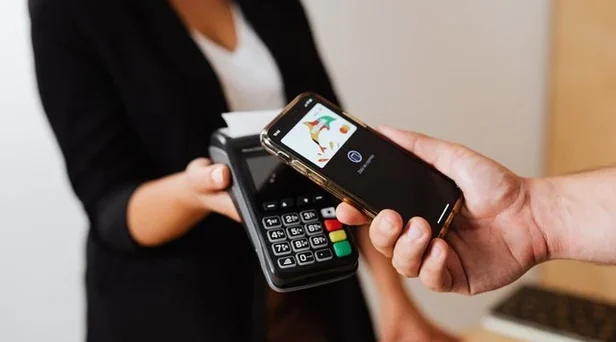
If you want to make your checkout process lightning-fast, you need to offer digital wallets like Apple Pay and Google Pay. These options are incredibly popular, especially with shoppers who are used to seamless mobile experiences. Instead of manually typing in their card number and shipping address, customers can complete a purchase with a single tap or glance. This convenience is a powerful way to [streamline the checkout process](https://www.elavon.com/resources/insights/ecommerce-payment-processing-101.html) and slash your cart abandonment rate. Integrating them is usually straightforward and shows your customers that you value their time, making it a simple win for your store.
### Buy Now, Pay Later (BNPL)
Buy Now, Pay Later services like Afterpay or Klarna have become a game-changer, particularly for businesses with higher-priced items. These services allow customers to split their purchase into smaller, interest-free installments, making bigger purchases feel more manageable. This can significantly increase your [average order value](https://squareup.com/us/en/the-bottom-line/selling-anywhere/ecommerce-payment-processing-explained) and conversion rates. The best part for you as a merchant is that you get paid the full amount upfront (minus a fee), while the BNPL company takes on the responsibility of collecting the future payments. It’s a fantastic way to remove price as a barrier for hesitant shoppers.
### Bank Transfers and Other Options
Bank transfers, also known as ACH payments, let customers pay you directly from their bank accounts. The main advantage here is the low cost; transaction fees are often much cheaper than credit card fees. The trade-off is that these payments can take a few business days to clear. This method is a great fit for high-value orders where saving on fees is a priority. It's also ideal for recurring payments, which is why it’s a key component of a smart [subscription billing](https://checkoutchamp.com/features/subscription-billings) strategy. By offering bank transfers, you provide a cost-effective option for both you and your loyal customers.
## What Are the Real Costs of Payment Processing?
Accepting online payments is a fundamental part of running an e-commerce business, but it isn’t free. The costs can feel complicated, and it’s easy to feel like you’re leaving money on the table if you don’t understand what you’re paying for. It’s not just one single fee; it's a combination of different charges that can impact your bottom line on every single sale.
Getting a handle on these costs is crucial for protecting your profit margins and scaling your business effectively. The good news is that once you know what to look for, you can make smarter decisions about your payment setup. Let’s break down the two main components of payment processing costs: the transaction fees you see with every sale and the other fees that can sometimes hide in the fine print.
### Understanding Transaction Fees
Every time a customer buys something from your store, a small portion of that sale goes toward processing the payment. For many online businesses, this fee is around 3.5% plus a flat 30 cents for each credit card transaction. How that percentage is calculated, however, depends on your payment processor’s pricing model. The most common models are flat-rate, interchange-plus, and tiered pricing. Flat-rate is the simplest, as you pay one consistent rate for every transaction. Interchange-plus offers more transparency by separating the bank’s fees from the processor’s markup, which can be more cost-effective for high-volume stores. Tiered pricing groups transactions into different rate categories, but this can sometimes be confusing and more expensive. Knowing which model works for you is key to [optimizing your conversions and average order value](https://checkoutchamp.com/features/conversion-aov-optimization) without giving up too much of your profit.
### Watch Out for Hidden Fees
Transaction fees are only part of the story. Many payment processors have other charges that can catch you by surprise if you aren’t paying close attention. These can include monthly account fees, one-time setup costs, and even penalties for things like chargebacks or account inactivity. It’s so important to read your agreement carefully and ask questions about any fees you don’t understand before you sign. If your sales are just starting to pick up, try to find a partner that doesn’t charge a monthly fee right away. The goal is to find a solution that’s transparent and grows with you. An all-in-one platform can help by consolidating these costs, giving you a clearer picture of your expenses and simplifying your financial management with a full suite of [features](https://checkoutchamp.com/features).
## How Payment Security Builds Customer Trust
When a customer reaches your checkout, they’re doing more than just buying a product; they’re placing their trust in you. They trust you to deliver what you promised, and they trust you to protect their sensitive financial information. How you handle payment security is a direct reflection of that trustworthiness. A secure, professional checkout process tells customers they’re in safe hands, making them more likely to complete their purchase and come back again.
Think of it this way: a clunky or insecure-looking payment page is the online equivalent of a shop with a broken lock on the front door. It creates doubt and sends potential buyers running. On the other hand, a seamless and secure experience builds confidence. It’s not just about having the technical measures in place. It’s about showing your customers you value their safety. This involves a three-part strategy: meeting industry standards, actively fighting fraud, and ensuring your security measures don’t get in the way of a smooth checkout.
### The Basics: PCI Compliance and Encryption
First things first, let's talk about the rules. If you accept credit card payments, you absolutely must follow the Payment Card Industry Data Security Standard (PCI DSS). These are the baseline rules for protecting cardholder data. Failing to comply can lead to hefty fines or even losing your ability to process payments altogether. It’s a foundational requirement for building a trustworthy business.
Your payment processor should also use encryption to scramble customer data as it travels from your store to the payment network, making it unreadable to anyone who might try to intercept it. The good news is you don’t have to become a security expert overnight. A reliable payment partner will handle the heavy lifting, ensuring your store is fully compliant and customer data is protected. When you [choose a provider](https://checkoutchamp.com/features), make sure they are committed to protecting customer data and following all the necessary rules.
### Protecting Against Fraud and Chargebacks
Beyond basic compliance, you need a proactive strategy to stop fraud before it happens. Fraudsters are always looking for weaknesses, and a successful attack can cost you money, products, and customer trust. Your first line of defense includes tools that perform basic checks, like verifying a customer's address (AVS) and the three or four-digit code on the back of their card (CVV). These simple steps help filter out many common fraud attempts.
However, for stronger protection, you need tools that can spot and block clear fraud attempts *before* they even reach the bank for authorization. Advanced systems analyze transaction patterns to identify suspicious behavior, reducing fake orders and the chargebacks that follow. This not only saves you money but also reinforces your store’s reputation as a secure place to shop. Checkout Champ’s [conversion optimization tools](https://checkoutchamp.com/features/conversion-aov-optimization) include these advanced security layers to protect your revenue.
### Balance Security with a Smooth Experience
While strong security is essential, it shouldn't create a frustrating experience for your legitimate customers. If your fraud filters are too aggressive, you risk blocking real orders, a problem known as a false decline. This is a sure way to lose a sale and a customer for good. The key is to find a balance where security works quietly in the background without adding friction to the checkout process.
A great checkout is simple, fast, and works perfectly on any device. For returning customers, offering one-click payments can make a huge difference. And if a customer's payment does fail, don't make them start over. The best systems make it easy to [retry a payment](https://checkoutchamp.com/features/conversion-aov-optimization) or switch to a different method without having to re-enter all their shipping and billing details. This thoughtful approach shows you respect your customer's time and turns a potential point of frustration into a smooth, positive experience.
## Why Payments Fail (And Other Common Problems)
Nothing is more frustrating than a customer who wants to buy from you but can't. Payment processing issues are a silent killer of sales, often happening right at the finish line. From technical errors to overly aggressive fraud filters, these problems can chip away at your revenue and damage customer trust. Let's look at some of the most common payment hurdles and what you can do about them.
### Declined Payments and Technical Glitches
It’s a scenario every online seller dreads: a customer’s card is declined, but it’s not their fault. Sometimes, the problem lies with your payment system. Technical glitches like system timeouts, processing errors, or a checkout page that gets stuck can stop a valid transaction in its tracks. These issues create a terrible customer experience and can lead them to abandon their cart for good. A smooth, reliable checkout process is non-negotiable. Ensuring your platform has a robust infrastructure is the first step in preventing these frustrating and entirely avoidable lost sales.
### When Fraud Filters Are Too Strict
While you absolutely need to protect your store from fraud, filters that are too strict can do more harm than good. These systems can create "false positives," where they accidentally block legitimate customers. For example, a loyal shopper making a purchase from a new laptop or while traveling might get flagged as suspicious and have their payment declined. This happens when fraud rules are too rigid and don't use enough data to make smart decisions. The key is to find a balance that stops criminals without turning away your best customers, which is a core part of [conversion optimization](https://checkoutchamp.com/features/conversion-aov-optimization).
### How to Handle Chargebacks
A chargeback happens when a customer disputes a charge with their credit card company instead of contacting you for a refund. This is more than just a returned payment; it comes with extra fees and can damage your reputation with payment processors. Too many chargebacks can lead to higher transaction fees or even the risk of your account being shut down. The best way to handle chargebacks is to prevent them from happening in the first place. Clear communication, fast shipping, and responsive [customer service management](https://checkoutchamp.com/features/customer-service-management) can resolve issues before they escalate into a formal dispute.
### Not Offering Enough Payment Options
You’ve done all the hard work of getting a customer to your checkout page. Don't lose them at the final step because you don't offer their favorite way to pay. Studies show that a significant number of shoppers will abandon their cart if their preferred payment method isn't available. If you only accept credit cards, you could be missing out on customers who prefer to use digital wallets like PayPal and Apple Pay or "buy now, pay later" services. Offering a variety of payment methods, including options for [dynamic currency conversion](https://checkoutchamp.com/features/dynamic-currency-conversion) for international buyers, makes the checkout process feel seamless and personalized.
## How to Reduce Cart Abandonment with a Better Checkout
It’s a frustrating moment for any online seller: a customer fills their cart, starts the checkout process, and then disappears. This is cart abandonment, and it’s one of the biggest hurdles to growing your revenue. Research from the Baymard Institute finds that nearly 70% of online shopping carts are abandoned. While some of those shoppers were never going to buy, a large portion leaves because of a clunky, confusing, or untrustworthy checkout experience. This is the final, most critical step in your sales funnel, and any friction here can directly cost you a sale.
The good news is that you have complete control over your checkout process. By optimizing these final moments of the customer journey, you can significantly reduce abandonment and see more shoppers complete their purchases. It’s not about flashy tricks; it’s about creating a smooth, simple, and secure path to payment. We’ll walk through four practical ways you can improve your checkout experience, from simplifying the layout and being transparent with costs to making mobile checkout a breeze and automatically recovering failed payments. These small changes can make a huge difference to your bottom line.
### Create a Simple, One-Page Checkout
Think about the last time you had a great online shopping experience. Chances are, the checkout was fast and straightforward. A long, multi-page checkout process with too many fields is a major reason customers give up. Each extra click and page load gives them another chance to second-guess their purchase. The solution is to keep it simple. A single-page checkout consolidates all the necessary steps, like shipping, billing, and payment information, into one clean interface.
This approach reduces friction and makes the process feel much faster. For returning customers, you can make it even easier by offering one-click payments that securely save their information. By streamlining this final step, you can improve your store's [conversion and AOV optimization](https://checkoutchamp.com/features/conversion-aov-optimization) and guide more customers across the finish line.
### Be Transparent with Pricing and Fees
No one likes surprises, especially when it comes to money. Unexpected costs are the number one reason shoppers abandon their carts. If a customer gets to the final payment step only to be hit with high shipping fees or unforeseen taxes, they’ll likely feel misled and leave. Trust is everything in ecommerce, and transparency is how you build it.
From the very beginning, be upfront about all potential costs. Display shipping estimates on product pages or in the cart, and make sure taxes are calculated and shown clearly before the final confirmation. While every online payment costs you a small percentage, hiding costs from your customers is never the answer. An honest and clear pricing structure shows respect for your customers and gives them the confidence to complete their purchase without any last-minute hesitation.
### Make Mobile Checkout Effortless
More and more customers are shopping on their phones, which means your checkout process has to be flawless on a small screen. A desktop checkout design that’s simply shrunk down for mobile won’t cut it. Pinching and zooming to fill out tiny form fields is a recipe for frustration and abandonment. Your mobile checkout needs to be designed specifically for the mobile experience.
This means using large, easy-to-tap buttons, simple forms that are quick to fill out, and offering mobile-friendly payment options like Apple Pay or Google Pay. Features that allow guests to check out quickly without creating an account are also crucial for mobile conversions. Using a [website builder](https://checkoutchamp.com/features/website-builder) with mobile-first design principles ensures that your checkout is effortless for customers, no matter what device they’re using.
### Recover Failed Payments Automatically
Sometimes, a customer does everything right, but the payment still fails. It could be an expired card, a typo in the credit card number, or a bank-side issue. In many cases, this results in a lost sale. But what if you could recover that sale automatically? Instead of just showing a generic "payment failed" error, you can implement a smarter system.
Modern payment platforms can automatically retry a failed transaction a few moments later, which often resolves temporary network issues. If that doesn't work, you can use [marketing automation](https://checkoutchamp.com/features/marketing-automation) to instantly send the customer an email or text message. This message can alert them to the issue, ask them to update their payment information, and provide a direct link back to their cart. This proactive approach turns a failed payment into a recovered sale and a positive customer service interaction.
## What to Look for in a Payment Processor
Choosing a payment processor is one of the most important decisions you’ll make for your e-commerce business. It’s more than just a tool for accepting money; it’s a core part of your customer experience and your operational workflow. The right partner can help you increase sales, reduce headaches, and scale your business, while the wrong one can lead to lost customers and endless frustration.
Think of your payment processor as a central hub for your revenue. It should be reliable, secure, and flexible enough to grow with you. As you compare your options, don’t just look at the transaction fees. Dig deeper to find a solution that truly supports your business goals. Here are the key features to look for.
### Global Payment and Currency Options
If you have ambitions to sell beyond your own country, you need a payment processor that makes international sales simple. Customers are far more likely to complete a purchase if they see prices in their own currency. Look for a provider that offers [dynamic currency conversion](https://checkoutchamp.com/features/dynamic-currency-conversion), which automatically shows the right currency based on a customer's location.
This isn't just about currency, either. You should also be able to accept popular local payment methods, whether it's iDEAL in the Netherlands or Bancontact in Belgium. Making international customers feel like they're buying from a local store is a powerful way to build trust and increase your global conversion rates.
### Advanced Security and Fraud Tools
Your customers are trusting you with their sensitive financial information, and protecting that data is your responsibility. At a minimum, any payment processor you consider must be PCI DSS compliant. This is the industry standard for securing card data, and it’s non-negotiable. Your processor should also use tools like encryption to protect data as it travels from the customer’s browser to the payment network.
Beyond the basics, look for smart fraud detection tools. Features like Address Verification System (AVS) and CVV checks help confirm that the person making the purchase is the actual cardholder. The best systems use a combination of rules and machine learning to spot suspicious activity without blocking legitimate customers, finding that perfect balance between security and a smooth checkout experience.
### Seamless Platform Integration
Your tech stack should work together seamlessly, not feel like a collection of mismatched parts. Your payment processor needs to integrate smoothly with your e-commerce platform, marketing tools, and fulfillment software. Poor integration can lead to data silos, manual workarounds, and a clunky experience for both you and your customers.
This is where an all-in-one platform can be a game-changer. When your payment processing is built directly into your e-commerce solution, you don’t have to worry about plugins or APIs breaking. Everything just works. Checkout Champ’s integrated [features](https://checkoutchamp.com/features) ensure that your payment data flows directly into your analytics, marketing automation, and customer service dashboards without any extra effort.
### Support for Subscriptions and Recurring Billing
The subscription economy is booming. If you sell products on a recurring basis or are thinking about launching a subscription box, you need a processor built to handle it. Look for a solution that automates the entire lifecycle of a subscription, from the initial signup to ongoing monthly or annual payments.
A great [subscription billing](https://checkoutchamp.com/features/subscription-billings) system does more than just charge a card on a schedule. It should also include dunning management, which is an automated process for handling failed payments. This can include sending customized emails to customers asking them to update their card information, which helps you recover revenue that would otherwise be lost.
### Tools to Manage Multiple Stores
As your business grows, you might find yourself managing more than one online store. Perhaps you’re launching a new brand, expanding into a different country, or running separate sites for wholesale and direct-to-consumer sales. Juggling different payment systems for each store can quickly become an accounting nightmare.
A processor with [multi-store management](https://checkoutchamp.com/features/multi-store-management) capabilities allows you to consolidate all your payments into a single dashboard. This gives you a unified view of your total revenue and makes it much easier to track performance across all your brands. You can manage everything from one place, which simplifies reporting and gives you a clear, holistic picture of your business health.
### Actionable Analytics and Reliable Support
Your payment data is a goldmine of information. A good processor won’t just give you a list of transactions; it will provide you with clear, actionable [analytics and reporting](https://checkoutchamp.com/features/analytics-reporting). You should be able to easily see your sales trends, understand your authorization rates, and identify your most valuable customers. These insights are crucial for making smart decisions and growing your business.
Finally, don’t overlook the importance of support. When there’s an issue with payments, you need to be able to get help from a real person, quickly. Look for a partner that offers reliable, responsive support. Your payment processor should be a partner invested in your success, ready to help you solve problems and scale your operations.
## Simplify Your Payments with Checkout Champ
Choosing a payment processor is a great first step, but it’s not the whole story. To truly get your payment processing working for you, you need a system to manage and optimize how everything works together. This is where many businesses get stuck, juggling multiple tools that don’t communicate well. Instead of adding more complexity, you can bring all your payment operations under one roof. Checkout Champ is designed to do just that, helping you manage different payment systems from a single, powerful platform.
Think of it as your command center for payments. Instead of just processing transactions, you can actively improve your entire checkout experience. Our platform centralizes your operations, giving you the tools to not only accept payments but also increase conversions, manage subscriptions, and get clear insights into your performance. By integrating all these functions, you can stop wasting time on manual tasks and start focusing on growing your business. With a full suite of [features](https://checkoutchamp.com/features), Checkout Champ turns payment processing from a simple necessity into a strategic advantage. We believe that a smarter payment setup is the foundation for sustainable growth, allowing you to scale without the usual operational headaches.
### Accept Payments in Any Currency
If you sell to customers around the world, you know how important it is to make them feel at home. A big part of that is letting them pay in their own currency. When shoppers see prices they understand, they’re more likely to trust your store and complete their purchase. But for you, the business owner, accepting multiple currencies can come with high exchange fees that eat into your profits.
Checkout Champ’s [dynamic currency conversion](https://checkoutchamp.com/features/dynamic-currency-conversion) solves this problem by letting you collect, hold, and manage funds in different currencies without losing money on poor exchange rates. It automatically shows prices in your customer’s local currency, creating a seamless shopping experience that builds trust and encourages sales. This way, you can expand your global reach while protecting your bottom line.
### Manage Subscriptions with Ease
Running a subscription business is a fantastic way to build predictable revenue, but it comes with its own set of challenges. Managing recurring payments, chasing down failed transactions, and keeping customers informed can quickly become a full-time job. When payments fail, it can lead to involuntary churn, where you lose customers not because they want to leave, but because of a simple billing issue.
Automating this process is key. Checkout Champ’s [subscription billing](https://checkoutchamp.com/features/subscription-billings) feature automatically handles ongoing payments for you. It intelligently retries failed payments and sends out customized notifications to customers, helping you recover revenue that would otherwise be lost. This lets you focus on delivering a great product or service, confident that your billing is running smoothly in the background.
### Increase Conversions and Average Order Value
Your checkout process can either make or break a sale. A long, complicated checkout is one of the top reasons customers abandon their carts. Features that speed up the process, like passwordless guest checkouts, can make a huge difference in how many people complete their purchase. Every bit of friction you remove makes it easier for customers to say yes.
Our platform is built for [conversion and AOV optimization](https://checkoutchamp.com/features/conversion-aov-optimization). We help you create a fast, streamlined checkout flow that reduces cart abandonment. You can also add one-click upsells and order bumps right at the point of purchase, encouraging customers to add more to their cart without disrupting their experience. These small adjustments can lead to a significant increase in your average order value and overall revenue.
### Get Clear Insights with Built-in Analytics
You can’t improve what you don’t measure. Making smart decisions about your payment strategy requires clear, accessible data. Are certain payment methods more popular with your customers? Are failed payments cutting into your revenue? Without the right analytics, you’re just guessing.
Checkout Champ provides powerful [analytics and reporting](https://checkoutchamp.com/features/analytics-reporting) tools that give you the insights you need to grow. You can test different payment options to see which ones perform best and identify patterns in your transaction data. Our platform also includes tools to help you recover revenue from failed payments, turning lost sales into successful transactions. With these insights, you can fine-tune your payment funnel and make data-driven decisions that have a real impact on your business.
## Related Articles
* [The Best Payment Processors for Growing E-Commerce Brands](https://checkoutchamp.com/media/the-best-payment-processors-for-growing-e-commerce-brands-194)
## Frequently Asked Questions
**What's the real difference between a payment gateway and a payment processor?** Think of it this way: the payment gateway is like the secure credit card reader on your website. It’s the customer-facing part that safely collects and encrypts payment information. The payment processor is the behind-the-scenes worker that takes that encrypted information and communicates with the banks to approve or decline the transaction. While they are two separate functions, many modern platforms combine them, so you often don't have to manage them separately.
**Are there ways to lower my transaction fees without sacrificing quality?** Yes, but it's about being smart, not just cheap. While some fees are set by the card networks, you can save money by choosing a processor with a transparent pricing model that fits your sales volume, like interchange-plus. Also, be sure to read your agreement carefully to avoid providers that charge extra for things like monthly account maintenance or setup. The goal is to find a partner that helps you approve more legitimate orders, as preventing lost sales is often more valuable than saving a fraction of a percent on fees.
**How can I handle payment security without needing to be a tech expert?** You don't have to become a security specialist to run a safe online store. Your main responsibility is choosing a reputable payment partner that is fully PCI compliant. A good provider will handle the complex technical requirements, like encryption and data protection, for you. Your role is to use the security tools they provide, like AVS and CVV checks, and to partner with a platform that has a proven track record of protecting customer data.
**If I can only make one change to my checkout, what will have the biggest impact on reducing abandoned carts?** Eliminate surprise costs. The number one reason people leave at checkout is because they get hit with unexpected shipping fees or taxes right at the end. Be completely transparent with all costs as early as possible, even providing a shipping calculator in the cart. A close second is to simplify your checkout form into a single, mobile-friendly page. A fast, honest checkout process builds trust and gets more customers across the finish line.
**Do I need a separate payment processor, gateway, and merchant account?** Traditionally, you did need to piece all these services together from different companies, which could be complicated to set up and manage. Today, however, all-in-one e-commerce platforms like Checkout Champ integrate these functions for you. This means you get one streamlined solution that handles everything from securely accepting the payment to depositing the funds into your account, all managed from a single dashboard.