


How to Route Payments to Multiple Gateways & Win Sales
Level Up Today!
Book a DemoIf you're using only one payment gateway, you are leaving money on the table. It's not a possibility; it's a certainty. Every time your single gateway has a moment of downtime, you lose sales. Every time its approval rate dips with a specific bank or in a certain country, you lose sales. And every transaction you process could likely have been cheaper through a different provider.
These small losses add up to a significant impact on your bottom line. The good news is that you can reclaim this lost revenue. By implementing a multi-gateway strategy, you can build a more efficient and profitable payment system. This article will show you exactly how to route ecommerce payments to multiple gateways to increase approvals, lower costs, and stop leaving your hard-earned money behind.
Key Takeaways
- Protect your sales from downtime: Using only one payment gateway is risky because if it goes down, your sales stop. Integrating multiple gateways creates a safety net, automatically rerouting transactions to a working provider so you never miss a sale.
- Use smart routing to increase profit: A multi-gateway setup lets you automatically send each transaction to the provider with the lowest fees and highest approval rate. This intelligent routing based on rules, like card type or location, directly improves your bottom line.
- Simplify management with a unified platform: Juggling multiple gateways can be a technical and logistical headache. Using a single platform to manage them all simplifies integration, centralizes your data, and ensures a smooth, consistent checkout experience for your customers.
What Is a Payment Gateway (and Why Does It Matter)?
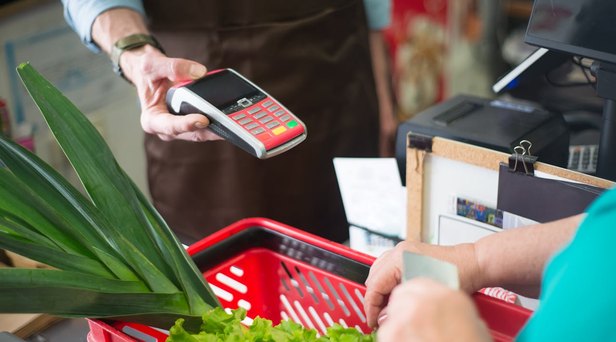
If you've ever bought something online, you've used a payment gateway. Think of it as the digital version of the credit card terminal you see at a coffee shop or retail store. It's the technology that works quietly in the background to make sure your customer's money gets from their bank account to yours, securely and successfully. For any e-commerce business, it's not just a nice-to-have feature; it's the essential engine that powers your sales.
A payment gateway is the bridge that connects your website's shopping cart to the payment processing network. When a customer clicks "Buy Now," the gateway springs into action. It encrypts their sensitive credit card information, sends it for authorization, and relays the approval or decline message back to your store. This entire process happens in just a few seconds. Without a gateway, there would be no secure way to accept online payments, making it a foundational piece of your e-commerce setup. Understanding how it works is the first step toward optimizing your entire checkout process for more approvals and happier customers.
How a Payment Gateway Works
So, what happens in those few seconds after a customer submits their payment details? The payment gateway acts as a secure messenger. It's a technology that securely authorizes payments for online transactions, serving as the bridge between your customer and your business. First, it encrypts the customer's card details to protect them. Then, it sends this information to the payment processor, which communicates with the customer's bank to check for sufficient funds. The bank sends back an approval or decline, and the gateway delivers that final message to your store, completing the sale or letting the customer know the transaction failed.
Why One Gateway Isn't Enough
Starting with a single payment gateway is common, but as your business grows, it can become a major liability. Relying on just one gateway creates a single point of failure. If that gateway has an outage or technical issue, your ability to accept payments comes to a halt, leading to lost sales and frustrated customers. Beyond downtime, a single gateway might not offer the best transaction approval rates in every region or for every card type. By using multiple payment gateways, you can provide customers with more payment options, which helps enhance the customer experience and build trust. This strategy is a cornerstone of effective conversion and AOV optimization.
Why Your Store Needs Multiple Payment Gateways
Relying on a single payment gateway is like building your entire house on one support beam. It might hold up for a while, but if it fails, everything comes crashing down. For an online store, that crash means lost sales, frustrated customers, and a damaged reputation. Integrating multiple payment gateways isn't just a nice-to-have for large corporations; it's a smart, strategic move for any e-commerce business serious about growth and stability.
Think of it as creating a safety net for your revenue. With more than one gateway, you can ensure payments are always processed, even if one provider has a technical hiccup. You can also reach a global audience by offering their preferred payment methods, improve your transaction approval rates, and even lower your processing fees by routing payments intelligently. It's about building a more resilient, efficient, and customer-friendly checkout experience. By diversifying your payment options, you open up new opportunities and protect your business from the unexpected. Checkout Champ provides an all-in-one platform with the features you need to manage this entire process smoothly.
Prevent Downtime with Failover Protection
Nothing stops a sale faster than a "payment cannot be processed" error. Payment gateways can experience downtime for many reasons, including technical glitches, scheduled maintenance, or even cyberattacks. When your only gateway goes down, your checkout effectively closes. Every customer trying to buy something during that period is lost, and many won't come back to try again.
This is where failover protection becomes your best friend. When you use multiple payment gateways, you can set up a system where if one provider fails, transactions are automatically rerouted to a backup gateway. This happens instantly and behind the scenes, so your customer never even knows there was an issue. This simple strategy prevents sales from stopping and ensures your revenue stream is always protected.
Increase Transaction Approval Rates
Have you ever had a legitimate transaction declined? It's frustrating for the customer and a lost sale for you. Sometimes, these declines happen because a specific payment gateway has a poor approval ratio with a certain bank, card type, or region. A single gateway might be overly cautious and flag a perfectly good order as fraudulent, or it might simply have a weaker connection with the customer's issuing bank.
Using multiple gateways helps you get around this problem and improve your conversion and AOV optimization. Different gateways have different strengths. By routing transactions through the provider most likely to approve them, you can significantly increase your overall success rate. More approved transactions mean more completed sales, happier customers, and a healthier bottom line for your business.
Accept Global Payments and Currencies
If you want to sell to customers around the world, you need to let them pay in a way that's familiar and convenient for them. A shopper in Germany might prefer to use Giropay, while someone in the Netherlands might look for iDEAL. Relying on a single gateway that only accepts major credit cards limits your international reach and can lead to high cart abandonment rates.
Integrating multiple payment gateways allows you to offer a wider range of local payment methods and currencies. You can choose providers that specialize in the regions you want to target, making it easier for international customers to complete their purchases. Offering dynamic currency conversion also helps by showing prices in a customer's local currency, removing friction and building trust. This approach shows you understand and cater to a global audience.
Optimize Costs Across Gateways
Payment processing fees can take a significant bite out of your profit margins. Every gateway has a different fee structure, with varying rates for different card types, transaction volumes, and regions. If you're locked into a single provider, you're stuck with their rates, even if they aren't the most competitive for every transaction you process.
With a multi-gateway strategy, you can implement what's known as "least-cost routing." This means you can automatically send each transaction to the gateway that offers the lowest fee for that specific payment type. For example, you might route all American Express transactions through one provider and international payments through another. Over time, these small savings on individual transactions add up, directly improving your profitability without any extra effort.
Strengthen Your Fraud Prevention
While all payment gateways offer some level of fraud protection, their tools and capabilities can vary widely. Some might have advanced machine learning algorithms that are great at spotting sophisticated fraud patterns, while others might offer more customizable rule sets that let you fine-tune your security settings for specific situations.
Using multiple gateways gives you access to a broader range of fraud prevention features. You can leverage the unique strengths of each provider to create a more robust and layered security strategy. For instance, you could route high-risk transactions through a gateway with more aggressive fraud filters while sending low-risk, repeat customer orders through a different one to ensure a frictionless checkout. This flexibility helps you better protect your business from chargebacks and fraudulent activity.
How to Choose the Right Payment Gateways
Picking the right payment gateways is a bit like building a winning team. You don't just need one star player; you need a roster of specialists who can handle any situation. Each gateway has its own strengths, whether it's low fees, global reach, or specific payment methods. By selecting a few key players, you can create a payment stack that's flexible, cost-effective, and ready for whatever your customers throw at it. Here's what to look for when you're scouting for the right options.
Compare Transaction Fees and Pricing
Let's be real: fees can eat into your profits if you're not careful. Every gateway has a different pricing structure, which can include transaction fees, monthly fees, and other costs. Don't just look at the percentage per sale. A gateway might have a low transaction fee but a high monthly cost, or vice versa. The goal is to find a mix that lets you optimize costs. With a multi-gateway setup, you can use smart routing to send each payment through the provider that charges the lowest fee for that specific transaction. This strategy, often called "least-cost routing," is a game-changer for your bottom line and a core part of conversion and AOV optimization.
Check Supported Currencies and Payment Methods
If you want to sell internationally, you have to think locally. Customers are far more likely to complete a purchase if they can pay in their own currency and use a method they trust. Some gateways are fantastic in North America but have limited options in Europe or Asia. When choosing gateways, look for ones that specialize in the regions you're targeting. This might mean finding a gateway that supports iDEAL in the Netherlands or Boleto in Brazil. Offering these options reduces friction at checkout and can significantly increase your global sales. A platform with built-in dynamic currency conversion makes this process seamless for your customers.
Verify Security and PCI Compliance
Security is not the place to cut corners. Your payment gateways handle sensitive customer data, and you are responsible for protecting it. Before you partner with any gateway, you must confirm that it is fully PCI DSS compliant. PCI DSS (Payment Card Industry Data Security Standard) is a set of security rules designed to ensure that all companies that accept, process, store, or transmit credit card information maintain a secure environment. Working with compliant gateways protects your customers from fraud and saves your business from facing massive fines and a damaged reputation. You can learn more directly from the PCI Security Standards Council.
Confirm Platform Integration
A payment gateway is useless if you can't connect it to your store. The integration process can range from incredibly simple to a full-blown development project. Some gateways offer pre-built plugins for popular e-commerce platforms, while others require custom coding using APIs. Think about your technical resources and how much control you need. An even simpler approach is to use a unified platform that manages the integrations for you. Using an all-in-one system with a full suite of features means you can add new gateways without wrestling with code, letting you focus on your business instead of on technical headaches.
Evaluate Customer Support and Reliability
When your payment system goes down, your sales stop. It's that simple. That's why gateway reliability and customer support are so important. Look for gateways with a strong track record of uptime and performance. And when problems do occur, you need to know that you can get help quickly. Before committing, investigate their support options. Do they offer 24/7 support? Can you reach them by phone, or is it email only? Read reviews from other merchants to get a sense of their responsiveness. Great support is a crucial part of your own customer service management, as it ensures you can resolve payment issues for your shoppers without delay.
How to Integrate Multiple Payment Gateways
Once you've picked the payment gateways that fit your business, the next step is connecting them to your online store. This might sound technical, but you have a few different paths you can take, each with its own set of benefits and challenges. The right approach for you will depend on your team's technical resources, your budget, and how much control you want over the checkout process.
Think of it like setting up a sound system. You can buy all the individual components and wire them together yourself for a fully custom setup, buy a pre-packaged home-theater-in-a-box, or get an all-in-one receiver that manages everything for you. Each option gets you to the same goal, listening to music, but the setup process and final result are quite different. We'll walk through the three main ways to integrate multiple payment gateways: building a custom solution with APIs, using pre-built plugins, or working with a unified platform.
Use APIs for Custom Integration
If you have access to developers and want complete control over your checkout experience, a custom integration using APIs is one way to go. An API, or Application Programming Interface, is essentially a set of rules that lets different software applications communicate with each other. In this case, your developers would use the specific APIs provided by each payment gateway to build a direct connection to your store.
This method gives you the ultimate flexibility to design a payment flow that is perfectly tailored to your brand. However, this power comes at a cost. A custom integration requires a significant investment in development time and resources. It's not a one-and-done project, either. You'll need to perform ongoing maintenance to handle updates from each gateway, which can become complex and costly over time.
Use Pre-Built Plugins and Connectors
For a more straightforward approach, you can use pre-built plugins or connectors. These are ready-made tools designed for popular ecommerce platforms like Shopify or WooCommerce that make adding new payment gateways much simpler. Installation is often as easy as finding the right plugin in an app marketplace and following a few setup steps. This method is great for businesses that want to get up and running quickly without needing a developer.
The trade-off for this simplicity is a lack of flexibility. You're limited to the features and design offered by the plugin, which might not perfectly match your vision for the checkout experience. Furthermore, you might find that not all payment gateways are supported, or that the plugin doesn't offer advanced features like smart routing. It's a solid choice for getting started, but it can feel restrictive as your business grows.
Use a Unified Payment Platform
A unified payment platform, sometimes called a payment orchestration layer, offers the best of both worlds. This type of platform acts as a single hub between your store and all your payment gateways. You only need to integrate with the unified platform once, and it handles all the individual connections and complexities for you. This dramatically simplifies setup and maintenance while still giving you powerful control.
These platforms are designed to manage a multi-gateway strategy effectively. They provide a central dashboard for consolidated reporting and often include advanced features like smart routing to direct transactions to the best gateway. For example, Checkout Champ's all-in-one platform centralizes your payment operations, helping you automate fulfillment, manage subscriptions, and optimize conversions without the headache of juggling multiple integrations. This approach lets you focus on growing your business, not on managing payment infrastructure.
How to Set Up Smart Payment Routing
Once you have multiple payment gateways, the next step is to tell them how to work together. This is where smart payment routing comes in. Think of it as a traffic controller for your transactions, automatically directing each payment to the best gateway based on a set of rules you define. This isn't just about having a backup plan; it's about actively optimizing every sale to lower costs, increase approval rates, and give your customers a smooth checkout.
Setting up smart routing turns your payment stack from a simple collection of gateways into a powerful, intelligent system. Instead of manually switching between providers or leaving money on the table, you can create a dynamic process that works for you behind the scenes. With the right setup, you can ensure that every transaction has the highest possible chance of success at the lowest possible cost. This level of control is key to effective conversion and AOV optimization, as it minimizes friction at the most critical point of the customer journey.
Route by Rules (Type, Amount, Location)
The most straightforward way to start with smart routing is by setting up rules. You can decide how payments should be sent to the best gateway based on specific criteria like the payment type, transaction amount, or customer location. For example, you might find that one gateway offers better rates for American Express cards, so you can create a rule to send all Amex payments there. Similarly, you could route high-value transactions to a gateway with lower percentage-based fees and smaller transactions to one with lower fixed fees.
Routing by location is especially powerful for international businesses. If you sell to customers in Europe, you can direct all EUR transactions to a gateway that specializes in European payments, which often leads to higher approval rates and lower fees. This is where a system with dynamic currency conversion becomes incredibly valuable, as it works hand-in-hand with your routing rules to create a seamless global experience.
Route by Performance
Beyond static rules, you can also route payments based on real-time performance. This means your system monitors key metrics like transaction approval rates, processing speed, and gateway uptime, then automatically directs traffic to the best-performing option at that moment. If your primary gateway suddenly experiences a dip in its success rate for Visa transactions, the router can instantly pivot and send those payments to your secondary gateway until the issue is resolved.
This dynamic approach ensures you're always using the most reliable path for every transaction. By offering multiple payment options and ensuring your gateways are always working efficiently, you can significantly enhance the customer experience and build stronger trust. This requires a platform with robust analytics that can track performance data and make intelligent routing decisions on the fly.
Set Up Failover and Retry Logic
No matter how reliable a payment gateway is, downtime and transaction failures can still happen. That's why setting up failover and retry logic is non-negotiable. Failover logic is your safety net: if a transaction fails on the first attempt, the system automatically and instantly retries it through a different gateway. The customer never even knows there was a hiccup, and you save a sale that would have otherwise been lost.
This is crucial because if one gateway stops working, payments can be quickly sent to another, preventing lost sales and unhappy customers. You can even set up "intelligent retries," where the system analyzes the reason for the failure and retries the transaction with a different gateway that is more likely to approve it. This simple but powerful automation protects your revenue and your brand's reputation.
Common Challenges of a Multi-Gateway Setup
While using multiple payment gateways is a smart move for growing your business, it's not always a walk in the park. Juggling several systems at once introduces a new set of operational hurdles. Think of it like managing multiple storefronts; each one has its own quirks, paperwork, and processes. Getting them all to work together smoothly requires careful planning and the right tools. Let's break down some of the common challenges you might face so you can prepare for them ahead of time.
Integration Complexity and Setup Costs
Connecting multiple payment gateways to your store isn't as simple as flipping a switch. Each gateway has its own unique API, settings, and integration process. This means your development team will need the time and technical skill to get everything connected and communicating correctly. This initial setup can be both time-consuming and expensive, especially if you need to hire outside help. Beyond the initial build, you also have to account for ongoing maintenance, as each gateway will have its own updates and requirements you'll need to manage to keep payments flowing without a hitch.
Data and Reconciliation Challenges
When your payments are flowing through different channels, your sales data becomes scattered. This fragmentation makes it incredibly difficult to get a clear, unified view of your business performance. You might find yourself spending hours manually pulling reports from each gateway and trying to piece them together in a spreadsheet. This not only eats up valuable time but also makes it harder to spot trends, track revenue accurately, and make informed decisions. The goal is to consolidate your sales data into one place, but doing so without a centralized system is a major headache.
Keeping the Customer Experience Consistent
Your checkout page is the final, crucial step in a customer's journey. While offering more payment options is a great way to build trust, a clunky multi-gateway setup can do more harm than good. If customers are redirected to different-looking pages or experience slow load times, it can create confusion and friction. This inconsistency can make your checkout process feel less secure, leading to cart abandonment. A key part of conversion optimization is ensuring the experience is seamless, no matter which gateway is processing the payment behind the scenes.
Handling Different Regional Regulations
If you sell internationally, you know that payment regulations can vary widely from one country to another. Using multiple gateways can help you stay compliant with local rules, but it also adds another layer of complexity. You are responsible for understanding and adhering to the specific compliance standards, like PCI DSS, for each region you operate in. Managing these different requirements across several platforms can be a significant burden, requiring constant vigilance to ensure every transaction is processed according to local laws and your dynamic currency conversion is set up correctly.
How to Test Your Multi-Gateway Setup
Once you've integrated your payment gateways, the next step is to test them. And I mean really test them. A single bug in your checkout process can lead to lost sales and frustrated customers, so you want to catch any issues before your shoppers do. Think of this as the final quality check before opening the doors. A thorough testing process ensures your payment routing works as intended, failovers kick in when needed, and the entire experience is seamless for your customers. This isn't just about making sure payments go through; it's about protecting your revenue and your brand's reputation. Taking the time to be meticulous here will save you countless headaches down the road.
Simulate Transactions in a Sandbox
Before you process a single real dollar, you need to spend some time in a sandbox. A sandbox is a testing environment that mimics your live store, allowing you to simulate transactions without any real money changing hands. It's the perfect place to safely test your entire payment gateway integration from start to finish. You can run test purchases, trigger your smart routing rules, and see exactly how each gateway responds. This lets you identify and fix potential bugs, confirm that data is being passed correctly, and ensure your setup is secure and efficient before it ever impacts a real customer. It's your private playground for making sure everything works perfectly.
Test Every Scenario (Including Failures and Refunds)
A successful transaction is great, but what happens when things go wrong? Your testing needs to cover every possible outcome, not just the happy path. Customers need a smooth experience even when their payment is declined. You should test successful payments with different card types, currencies, and from various locations. More importantly, test failure scenarios: what happens when a card is declined, an invalid CVC is entered, or a gateway times out? Does your failover logic correctly reroute the transaction to a backup gateway? You should also process refunds through each gateway to ensure that process is just as smooth. This comprehensive testing helps you handle the complexities of integrating multiple payment gateways and builds a resilient checkout process.
Monitor Logs and Automate Your Tests
Testing shouldn't stop once you go live. It's an ongoing process. You'll want to regularly monitor your transaction logs to spot any anomalies, patterns of failed payments, or gateway errors. This helps you catch problems before they become widespread. For even greater efficiency, you can automate parts of your testing. Automated scripts can run routine checks to confirm your gateways are online and your routing rules are firing correctly. This saves time and reduces the chance of human error. Using a platform with strong analytics and reporting gives you complete visibility into your payment flows, making it easier to monitor performance and reconcile your transaction data across all your providers.
What to Look for in a Multi-Gateway Payment System
Choosing a system to manage your payment gateways is about more than just connecting to them. You need a platform that acts as a central command center, giving you the tools to make your gateways work smarter, not just harder. The right system doesn't just process payments; it optimizes them. It should give you a clear view of your entire payment ecosystem and the power to control it with precision. When you're evaluating your options, look for a unified platform that brings together powerful features to streamline your operations and drive growth. Here are the non-negotiable features your multi-gateway payment system should have.
Smart Routing
Think of smart routing as your payment system's GPS. It automatically sends every transaction to the best possible gateway based on factors like cost, success rates, and currency. This is your secret weapon for making sure payments go through smoothly and cheaply. Instead of manually picking a gateway or leaving it to chance, smart routing makes the optimal choice in real time. This not only improves your transaction success rates but also helps you save money on processing fees. A system with intelligent conversion and AOV optimization will use smart routing to ensure every customer has a seamless payment experience, which is key to preventing abandoned carts.
Real-Time Analytics
You can't fix what you can't see. Real-time analytics give you a live look into your transaction performance, so you can spot issues and opportunities as they happen. A great system will offer automated reconciliation across your payment providers and bank accounts, saving you countless hours of manual work and reducing human error. This complete visibility into your cash flow is crucial for making smart business decisions. With powerful analytics and reporting, you can track gateway performance, understand approval rates, and get a clear picture of your revenue without getting lost in spreadsheets.
Subscription Billing Support
If you run a subscription-based business, you know that recurring payments come with their own set of challenges. Not all payment gateways are built to handle them well. A flexible multi-gateway system allows you to use the provider that offers the best features for your specific needs. You can route initial sign-ups through one gateway and recurring charges through another that specializes in them. This ensures higher success rates for your recurring revenue stream. Look for a platform with dedicated subscription billing support that can manage complex schedules, retries, and customer communications automatically.
Dynamic Currency Conversion
Selling internationally opens up a world of customers, but it also introduces currency complexities. Dynamic currency conversion (DCC) is a must-have feature that lets your customers see prices and pay in their local currency. This simple touch builds trust and can significantly increase your conversion rates in global markets. A system with dynamic currency conversion can also route these international payments to the gateway that offers the best exchange rates and lowest fees for that region. It's a win-win: your customers get a better experience, and you protect your profit margins on every sale.
Fraud Detection and PCI Compliance
Managing multiple gateways shouldn't create security headaches. Your payment system should act as a centralized security shield for your entire business. It's essential that any platform you choose ensures all connected gateways are PCI DSS compliant, protecting you from liability and your customers from data breaches. Beyond compliance, look for robust, built-in fraud detection tools that can analyze transactions across all your gateways. This unified approach helps you spot suspicious patterns more effectively than you could by monitoring each gateway separately. Protecting your business and your customers is paramount, and a secure platform provides that peace of mind.
How to Create a Seamless Checkout Experience
Setting up smart payment routing is a huge win for your business, but it only works if the customer's experience remains smooth and simple. A clunky or confusing checkout process can undo all your hard work, leading to abandoned carts and lost trust. Your goal is to make the payment step feel like a natural and secure part of the shopping journey, no matter how many gateways are working behind the scenes.
A seamless checkout experience isn't just about aesthetics; it's about building confidence. When customers feel secure and find the process easy, they are far more likely to complete their purchase. By focusing on a consistent design, clear communication, and reliable support, you can ensure your multi-gateway strategy directly contributes to higher conversion rates and happier customers.
Maintain a Consistent UI
Nothing spooks a customer faster than being redirected to a payment page that looks completely different from your store. An inconsistent user interface (UI) can feel jarring and untrustworthy, making shoppers wonder if they've been sent to a fraudulent site. To prevent this, keep your checkout page's branding, colors, and fonts aligned with the rest of your website. The payment step should feel like a continuation of their shopping experience, not a detour.
A unified platform makes this much easier to manage. Instead of sending customers away, you can integrate payment fields directly into your checkout flow. This creates a cohesive experience that keeps the customer on your site and focused on completing their order. This approach is a core part of conversion and AOV optimization, as it removes friction and reinforces your brand's credibility right up to the final click.
Optimize for Mobile and Communicate Clearly
Most of your customers are likely shopping on their phones, so your checkout process must be flawless on a small screen. This means large, easy-to-tap buttons, simple forms that are easy to fill out, and minimal required typing. If shoppers have to pinch and zoom just to enter their credit card details, they're more likely to give up. Test your checkout flow on multiple devices to ensure it's fast, responsive, and user-friendly for everyone.
Clear communication is just as important. Display logos of the payment methods you accept so customers know their preferred option is available. If you sell internationally, use a system that supports dynamic currency conversion to show prices in the local currency. This transparency helps build trust and removes any guesswork, making the customer feel more confident about their purchase.
Provide Support for Payment Issues
Even with a perfect setup, payment failures can happen. A card might be declined, or a gateway could experience a momentary glitch. How you handle these moments can determine whether you save the sale or lose the customer for good. Instead of showing a generic "error" message, provide clear, helpful feedback. For example, if a card is declined, the message should suggest trying a different card or payment method.
This is where a multi-gateway system truly shines for the customer. If one gateway fails, your routing logic can automatically retry the transaction through another without the customer even noticing. For issues that require more help, having accessible support is key. Integrating your payment system with your customer service management tools allows your team to quickly see what went wrong and guide the customer to a solution, turning a potential frustration into a positive experience.
How to Manage and Optimize Your Payment Routing
Setting up smart routing is a huge step, but it's not a one-and-done task. To get the most out of your multi-gateway strategy, you need to manage and refine it over time. Think of it like tending to a garden; regular attention ensures everything grows properly. By continuously monitoring performance, testing your rules, and planning for growth, you can keep your payment processing efficient and effective. This ongoing optimization is what turns a good payment setup into a great one, helping you capture more sales and keep customers happy. It's about making small, consistent improvements that add up to big results for your business.
Monitor Gateway Performance
Once your gateways are running, you need to keep a close eye on how they're performing. Are you seeing a lot of declined payments through a specific provider? Are the transaction fees higher than you expected? You can't fix what you don't measure. The key is to track metrics like transaction success rates, decline rates, processing times, and overall costs for each gateway.
Using a platform with a central dashboard makes this process much simpler. Instead of logging into multiple accounts to piece together the data, you can get a clear, unified view of your entire payment ecosystem. This allows you to spot trends, identify underperforming gateways, and make data-driven decisions quickly. With strong analytics and reporting, you can easily compare gateway performance and ensure your routing rules are sending transactions to the most effective and affordable option every time.
A/B Test Your Routing Rules
Your initial routing rules are your best-educated guess, but they shouldn't be set in stone. The best way to find the most profitable setup is to test it. A/B testing your routing logic lets you compare different strategies to see what works best for your business. For example, you could test routing all transactions under $50 to a gateway with lower fixed fees, or sending all international payments to a provider with better cross-border approval rates.
By creating two or more rule sets and splitting your traffic between them, you can gather real-world data on which configuration leads to higher approval rates and lower costs. This is a core part of conversion and AOV optimization, as even a small improvement in your transaction success rate can have a big impact on your bottom line. Don't be afraid to experiment; continuous testing helps you adapt to changing conditions and keep your payment stack performing at its peak.
Scale Your Payment Stack as You Grow
As your business expands, your payment needs will change. A strategy that worked for 100 orders a day might not be sufficient for 1,000. A multi-gateway approach is designed to scale with you, helping you avoid the growing pains that come with relying on a single provider. Problems like high decline rates, slow processing, and an inability to accept popular regional payment methods can quickly stifle growth.
Your payment stack should support your ambitions, not hold them back. As you enter new markets, you'll need to add gateways that cater to local preferences and currencies. As your transaction volume increases, you may be able to negotiate better rates. A flexible, multi-gateway system allows you to adapt to these changes seamlessly. Using an all-in-one platform with a full suite of e-commerce features ensures that your payment infrastructure can grow right alongside your business, supporting new products, currencies, and customer experiences along the way.
Related Articles
Frequently Asked Questions
What's the difference between a payment gateway and a payment processor?
It's easy to mix these two up. Think of the payment gateway as the secure messenger. When your customer enters their card details on your site, the gateway encrypts that information and securely sends it for approval. The payment processor is the one that takes that message and actually communicates with the banks (both your customer's and yours) to check for funds and handle the money transfer. The gateway is the bridge, and the processor manages the financial network.
Is setting up multiple payment gateways too complicated for a small business?
It can be if you try to build a custom solution from scratch, which requires a lot of development work. However, it doesn't have to be that complex. The simplest path is to use a unified payment platform. This type of system acts as a central hub, so you only connect to the platform once, and it manages all the individual gateway integrations for you. This gives you all the benefits of a multi-gateway strategy without the technical headaches.
How do I know if it's time to add another payment gateway?
There are a few clear signs. If you notice your transaction decline rate is creeping up, it might mean your current gateway doesn't have a great approval ratio with certain banks. Another sign is if you're expanding internationally and want to offer local payment methods and currencies that your single gateway doesn't support. Finally, if your gateway has any downtime, and your sales come to a complete stop, that's a major signal that you need a backup. Read more on diversifying your payment processors.
Will using multiple gateways make my checkout page confusing for customers?
Not at all, as long as it's set up correctly. The goal is for the complexity to be invisible to your customer. A well-designed system keeps the entire payment process on your site with a consistent look and feel. Smart routing automatically directs the transaction to the best gateway behind the scenes, so the customer doesn't have to choose or even know that multiple providers are involved. The experience for them remains simple and secure.
What's the most important feature to look for in a multi-gateway management system?
While there are many valuable features, smart routing is arguably the most critical. This is the technology that automatically directs each transaction to the most optimal gateway based on rules you set, like cost, currency, or performance. It's what allows you to actively lower your processing fees, increase your approval rates, and provide failover protection. Without smart routing, you just have a collection of gateways; with it, you have an intelligent, optimized payment system.