


Payment Orchestration with Subscription Billing 101
Level Up Today!
Book a DemoSome of the most significant costs in your subscription business don't appear on a standard expense report. Consider the hours your customer service team spends chasing down customers to update expired credit cards, or the developer time dedicated to building custom billing workarounds. This manual effort is a hidden tax on your resources, pulling your team away from innovation and growth. Implementing a system for payment orchestration with subscription billing automates these repetitive, time-consuming tasks. It frees your most valuable people from administrative drag so they can focus on improving your product and delighting your customers. Discover how automating your payment backend can reduce operational costs and unlock your team’s potential.
Key Takeaways
- Increase payment success with smart routing: An orchestration layer automatically sends each transaction to the best gateway, which increases approval rates. This simple change helps you keep more customers and secure your recurring revenue.
- Put your billing on autopilot: Payment orchestration handles common issues like failed payments and outdated cards automatically. This recovers sales you would have otherwise lost and lets your team focus on growth instead of manual follow-ups.
- Measure what matters for clear results: Success with payment orchestration is easy to see through key metrics like higher approval rates, lower transaction costs, and reduced customer churn. Tracking these numbers shows you the direct financial impact of a smarter payment system.
What Is Payment Orchestration?
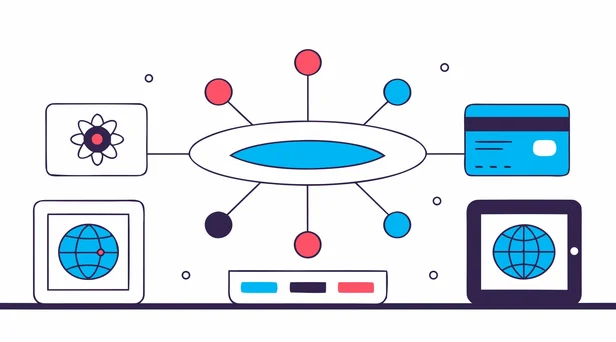
Think of payment orchestration as a smart traffic controller for your online payments. Instead of relying on a single road (or payment gateway) to process every transaction, this technology connects all your different payment services into one central system. It then automatically chooses the best route for each payment to take. The main goal is to make sure more of your payments are successful, which means fewer frustrated customers and lower processing costs for your business. It’s a single, unified layer that manages the entire payment flow from start to finish.
How It Works for Subscriptions
For subscription businesses, payment orchestration is a game-changer. It helps make your recurring revenue more reliable by automating the entire payment process. The system intelligently routes each subscription renewal based on factors like the customer's location, their payment method, and which payment gateway has the best success rate for that specific transaction type. This smart routing means fewer failed payments when a customer's card is due for its monthly or annual charge. With a solid subscription billing setup, you can keep your customers happy and your cash flow smooth without any manual intervention.
Payment Orchestration vs. Traditional Payment Processing
A traditional setup usually involves a single payment gateway. You can think of it as having only one cashier at your store. If that cashier’s terminal goes down or can't accept a certain card, the sale is lost. Payment orchestration, on the other hand, is like having multiple cashiers available at all times. If one gateway fails to process a transaction, the orchestration layer automatically reroutes it to another one that is more likely to approve it. This flexibility is a core part of what makes modern e-commerce solutions so powerful, giving you a much higher chance of capturing every sale and keeping your payment process running smoothly.
Common Subscription Billing Challenges Costing You Revenue
The subscription model promises predictable, recurring revenue, which sounds like a dream for any ecommerce business. But if you’ve been running a subscription service for a while, you know the reality is a bit more complicated. Behind that smooth, automated income stream, a host of billing challenges can quietly eat away at your profits and stunt your growth. These issues often go unnoticed until they’ve already caused significant damage in the form of lost customers and leaked revenue.
From failed payments that lead to accidental customer churn to the operational headache of juggling multiple payment systems, these problems are more than just minor inconveniences. They represent major roadblocks to scaling your business. For instance, what works for your customers in the United States might not work for your growing audience in Europe, creating friction that costs you sales. And the time your team spends manually fixing payment issues or building custom workarounds is time they could be spending on innovation and customer experience. These aren't just theoretical problems; they are tangible drains on your resources and potential. Understanding these common challenges is the first step toward solving them and protecting your hard-earned subscription billing revenue. Let's break down the four biggest culprits that might be costing you right now.
Failed Payments and Involuntary Churn
Nothing stings more than losing a happy customer for a reason that was entirely preventable. This is the reality of involuntary churn, which happens when a customer’s recurring payment fails due to a technical issue, not because they chose to cancel. Common causes include an expired credit card, insufficient funds, or an arbitrary decline from the customer's bank. For subscription businesses, these failed payments are a direct hit to the bottom line.
Each failed transaction doesn't just mean you've lost a single month's revenue; it means you may have lost that customer's entire lifetime value. Without an automated system to handle these failures, you’re forced to either let the customer go or have your support team manually chase them down, creating a poor experience for everyone involved.
Managing Multiple Payment Gateways
As your business grows, you might find yourself needing more than one payment gateway. Perhaps you need one for domestic transactions and another for international ones, or maybe you just want a backup in case your primary gateway goes down. While this seems like a smart strategy, it quickly becomes a complex juggling act. Each gateway has its own integration, fee structure, and set of rules, creating a tangled web of systems for your team to manage.
This complexity adds a significant operational burden. Instead of focusing on your products or marketing, your team gets bogged down in technical maintenance and financial reconciliation across different platforms. This is especially true if you operate multiple storefronts, as the complexity multiplies with each new store you add to the mix.
Cross-Border Payment Complexity
Expanding your subscription business globally is exciting, but it comes with a unique set of payment challenges. Customers in different countries have different payment preferences, and what’s popular in North America, like Visa or Mastercard, might not be the go-to choice in Europe or Asia. Forcing international customers to pay in a foreign currency or with an unfamiliar method can lead to abandoned carts and lower conversion rates.
Furthermore, cross-border transactions are often flagged by banks, leading to higher decline rates. To succeed globally, you need to offer local payment methods and display prices in the customer's home currency. A system that supports dynamic currency conversion is essential, but managing this across various regions without a unified platform can be incredibly difficult and costly.
The Hidden Costs of Manual Billing
When faced with recurring payment issues, some businesses decide to build their own solutions or handle problems manually. While this might seem like a cost-effective approach at first, it carries significant hidden costs. Building a custom system requires your engineering team to manage multiple gateway integrations, develop sophisticated retry logic, and maintain failover systems. This is a massive undertaking that diverts your most valuable technical talent away from improving your core product.
On the other side, manual intervention from your customer service team to update expired cards or chase down failed payments is not a scalable solution. It creates a frustrating experience for your customers and burns out your team. These manual efforts represent time, money, and focus that could be invested in growth, making them one of the most expensive billing challenges of all.
How Payment Orchestration Improves Subscription Payments
If you run a subscription business, you know that recurring billing is much more than just charging a card every month. It’s a delicate process where even small hiccups can lead to lost customers and revenue. This is where payment orchestration steps in. It’s a strategic approach that transforms your payment processing from a simple, one-track system into a smart, dynamic, and automated engine designed to keep your subscription revenue healthy.
Instead of just sending every transaction to a single payment gateway and hoping for the best, an orchestration layer sits on top of your payment stack. It analyzes each transaction and makes intelligent decisions in real time. Think of it as your personal payment expert, working behind the scenes to ensure every charge has the highest possible chance of success. This system automatically handles issues that would otherwise require manual work, like failed payments and outdated card information. By automating these processes and adding layers of security, you can focus less on payment problems and more on growing your subscriber base. With the right subscription billing tools, you can make this sophisticated process feel effortless.
Smart Transaction Routing
Imagine your payment system had a built-in GPS that always found the fastest, cheapest, and most reliable route for every transaction. That’s exactly what smart transaction routing does. Instead of being locked into one payment gateway, orchestration allows you to connect to multiple providers. When a subscriber’s payment comes through, the system instantly analyzes it and routes it to the gateway most likely to approve it.
This could be based on the card type, the customer's location, or even the gateway's current performance. For example, if one gateway has a higher success rate for international cards, the system will send those transactions there automatically. This not only increases your approval rates but can also lower your costs by directing payments through providers with lower fees. It’s a simple change that leads to better conversion optimization and more successful renewals.
Automated Retry Logic
A failed payment doesn’t have to mean a lost customer. Involuntary churn, which happens when a customer unintentionally leaves due to a billing issue, is a silent revenue killer for subscription businesses. Automated retry logic is your first line of defense against it. When a recurring payment fails, this feature doesn't just give up. Instead, it automatically retries the charge at strategic intervals.
This isn't just random retrying; a smart system knows that some failures are temporary (like insufficient funds) and will try again at a time the payment is more likely to succeed, such as after a common payday. This process works quietly in the background to recover revenue you would have otherwise lost, all without any manual effort from your team. It’s a core part of marketing automation that directly protects your bottom line.
Automated Card Updates and Payment Management
One of the most common reasons for failed recurring payments is outdated card information. Credit cards expire, get lost, or are replaced, and most customers won't remember to update their payment details on every single site they subscribe to. Payment orchestration solves this with automated card updaters. These tools work directly with card networks like Visa and Mastercard to automatically update expired or replaced card numbers in your system.
This means your customer’s subscription renews without a hitch, and they never even experience a disruption in service. You avoid the awkward "please update your card" emails and the customer service headaches that follow. By automating this part of customer service management, you create a seamless experience for your subscribers and drastically reduce churn caused by outdated payment methods.
Built-In Fraud Prevention and PCI Compliance
Managing payment security and compliance can feel like a full-time job, especially when you’re dealing with multiple payment providers. A payment orchestration platform centralizes your security efforts, giving you a single, powerful shield against fraud and compliance risks. It integrates fraud detection tools that screen transactions for suspicious activity, helping you stop fraudulent charges before they become costly chargebacks.
Furthermore, a robust orchestration layer ensures that all your transactions are handled in a PCI-compliant environment. This simplifies your own compliance requirements, as the platform handles the sensitive data securely. By consolidating these critical functions, you can confidently offer a secure checkout experience and protect your business without having to become a security expert yourself. It’s one of the most valuable features of an all-in-one platform.
Key Benefits of Payment Orchestration
Adopting a payment orchestration strategy does more than just streamline your backend processes. It delivers tangible results that directly affect your bottom line, from higher revenue to happier customers. For subscription businesses, where recurring revenue is everything, these benefits are even more critical. Instead of being locked into a single payment processor's limitations, you gain the flexibility to route every transaction for the best possible outcome. This means fewer failed payments, lower operating costs, and a checkout experience that keeps subscribers coming back. When you optimize how you handle payments, you create a more resilient and scalable business. Let's walk through some of the most significant advantages you can expect.
Increase Approval Rates
A declined payment is more than a single lost sale; for a subscription business, it can mean losing a customer for good. Payment orchestration directly addresses this by intelligently routing transactions. Instead of sending every payment through the same gateway, the system chooses the best provider for each specific transaction based on factors like the customer's location, card type, and the gateway's real-time performance. This smart routing can improve approval rates by 5% or more. By minimizing declines, you not only protect your revenue but also prevent the customer friction that leads to involuntary churn. It’s a proactive way to keep your hard-earned subscribers happy and their payments successful.
Lower Transaction Costs
Every transaction comes with a fee, and these costs can add up quickly, eating into your profit margins. Payment orchestration helps you keep more of your revenue by automatically finding the most cost-effective route for every payment. Different payment providers have different fee structures that vary by region, card network, and transaction volume. An orchestration platform analyzes these variables in real time and selects the gateway that offers the best rate for that specific purchase. This dynamic cost optimization ensures you aren't overpaying for payment processing, allowing you to reinvest those savings back into growing your business.
Simplify Global Expansion with Dynamic Currency Conversion
Selling to a global audience is one of the best ways to grow your subscription business, but it often comes with major payment headaches. Payment orchestration makes international sales simple. It allows you to easily accept payments in multiple currencies and offer popular local payment methods without needing to establish separate relationships in each country. With features like dynamic currency conversion, you can display prices in your customer's native currency, creating a familiar and trustworthy checkout experience. This removes a significant barrier to entry, making it easier to scale your business across borders and connect with subscribers worldwide.
Reduce Manual Work with Automation
How much time does your team spend manually tracking down failed payments, reconciling reports from different processors, or managing billing issues? Payment orchestration gives you that time back. The platform automates many of the repetitive tasks associated with payment management, from retrying failed transactions to updating expired card information. By centralizing your payment operations, you get a single source of truth for all your transaction data, which simplifies reporting and analysis. This fulfillment automation frees up your team to focus on high-impact activities like customer retention and product development instead of getting stuck on administrative work.
Create a Frictionless Subscriber Experience
The checkout and billing process is a critical part of the customer journey, especially for subscribers who interact with it regularly. A clunky or confusing experience can quickly lead to frustration and cancellations. Payment orchestration helps you design a seamless process tailored to your customers' preferences. You can offer a variety of payment methods, from credit cards to digital wallets, and ensure the entire transaction is fast and secure. This focus on a smooth payment flow builds trust and reinforces the value of your subscription, making customers feel confident in their recurring purchase and more likely to remain loyal long-term.
How Payment Orchestration Reduces Subscriber Churn
Losing a subscriber is always tough, but it’s especially frustrating when they didn’t even mean to leave. This is called involuntary churn, and it often happens because of a simple failed payment. A customer’s credit card expires, their bank flags a transaction, or their preferred payment method isn’t accepted, and suddenly their subscription is canceled. Payment orchestration directly tackles these issues, helping you keep the loyal customers you’ve worked so hard to earn. By automating recovery efforts, smoothing out the payment process, and using data to get ahead of problems, you can significantly cut down on subscriber churn.
Recover Revenue from Failed Transactions
For subscription businesses, failed payments are more than just a hassle; they're a direct hit to your revenue and a leading cause of customer churn. When a recurring payment fails, it often triggers a cancellation without the customer even realizing it. A payment orchestration platform acts as your safety net. Instead of giving up after one failed attempt, the system automatically retries the transaction. It can even use smart routing to try a different payment processor, which might have a better success rate for that specific card or region. This automated process helps you recover revenue that would otherwise be lost and keeps your subscribers happily enrolled.
Keep the Subscriber Experience Frictionless
A smooth payment experience is crucial for keeping subscribers happy. If renewing a subscription is complicated or your checkout doesn't support a customer's preferred payment method, you create friction that can lead them to cancel. Payment orchestration removes these barriers by letting you easily offer multiple payment options and currencies. Whether your customer wants to pay with a credit card, digital wallet, or a local payment method, you can accommodate them. This flexibility is especially important for global businesses. With features like dynamic currency conversion, you can show prices and process payments in a customer's local currency, creating a seamless and trustworthy experience that encourages long-term loyalty.
Use Data to Predict and Prevent Payment Failures
The best way to solve a problem is to prevent it from happening in the first place. Payment orchestration gives you the data to do just that. By consolidating payment information from all your providers into one place, you can start to see the bigger picture. You can identify patterns, like which banks have higher decline rates or if certain card types frequently fail. Armed with these insights, you can adjust your payment routing rules to proactively send transactions through the gateways most likely to approve them. Using powerful analytics and reporting tools helps you move from a reactive to a predictive approach, fine-tuning your system to prevent failures before they ever cause a subscriber to churn.
Common Challenges of Integrating Payment Orchestration
While payment orchestration offers powerful solutions for subscription billing, it’s helpful to go in with a clear picture of the potential hurdles. Like any significant upgrade to your tech stack, implementing an orchestration layer has a few challenges. Being aware of these from the start helps you plan effectively and choose a solution that minimizes friction for your business. Let's walk through the most common obstacles you might encounter.
Technical Complexity and Setup
Adding a new system to your e-commerce environment is a big decision, and a payment orchestration platform is no exception. The initial setup can be technically complex, especially if your business already has intricate payment processes. Connecting your existing payment gateways, processors, and subscription management tools to a new orchestration layer requires time and developer resources. It’s not a simple flip of a switch. For businesses with straightforward payment needs, this extra layer might even create more overhead than it solves. The key is finding a platform that simplifies this integration rather than adding another complicated piece to your puzzle.
Managing Data Across Multiple Systems
Once you’re connected to multiple payment providers, the next challenge is making sense of all the data. Each gateway has its own dashboard and reporting format, which can make it difficult to get a clear, consolidated view of your payment performance. Trying to manually gather and analyze transaction data from different sources is time-consuming and prone to errors. Without a unified system, you might struggle to track key metrics like approval rates, transaction costs, and churn across all your payment channels. Centralized analytics and reporting are crucial for turning that scattered data into actionable insights for your subscription business.
Test and Optimize Continuously
Implementing payment orchestration isn't a "set it and forget it" task. To get the most out of your setup, you need to test everything thoroughly before it goes live and continue optimizing it over time. This means verifying that your smart routing rules are working as intended, that new payment methods are integrated smoothly, and that the overall checkout experience is seamless for subscribers. Continuous testing helps you catch potential issues before they impact your customers and your revenue. This ongoing process of refinement is essential for true conversion and AOV optimization and ensuring your payment stack is always performing at its best.
How to Implement Payment Orchestration: Best Practices
Putting payment orchestration into practice might sound complicated, but it’s really about setting up a smart, flexible system that works for you. By following a few best practices, you can create a payment process that not only runs smoothly but also actively helps your subscription business grow. It’s all about making deliberate choices that reduce friction for your customers and cut down on manual work for your team. Let’s walk through the key steps to get your payment orchestration strategy up and running effectively.
Choose the Right Payment Providers
Your payment orchestration setup is only as strong as the providers you connect to it. Think of it like building a team of specialists. You’ll want to integrate a mix of payment gateways, processors, and acquirers that give you the best coverage and rates. A great orchestration platform brings all these services together into a single, unified interface, so you aren't juggling multiple dashboards. When choosing providers, look at their transaction fees, approval rates in your key markets, and which payment methods they support. The goal is to build a flexible network that gives your routing rules plenty of great options to choose from for every transaction.
Set Up Smart Routing Rules
This is where the magic of payment orchestration really happens. Smart routing automatically directs each transaction to the most suitable payment gateway based on rules you define. For example, you could create a rule to send all transactions in Euros to a gateway with low European processing fees, while sending high-value transactions to a provider known for its strong security. This level of payment processing automation ensures you get the best outcome for every single payment, whether that’s a lower cost, a higher approval rate, or faster settlement. Start with simple rules and refine them over time as you gather more data on provider performance.
Support Multiple Payment Methods and Currencies
To grow a global subscription business, you need to let customers pay how they want. Supporting a wide range of payment methods and local currencies is a non-negotiable for reducing checkout friction and building trust. An orchestration platform simplifies this by letting you manage different payment options, from credit cards and digital wallets to local bank transfers, through one connection. With features like dynamic currency conversion, you can display prices in a customer’s native currency and settle the transaction in yours, creating a seamless experience for international buyers. This makes your business feel local, no matter where your customers are.
Conduct Regular Security and Compliance Audits
While a good payment orchestration platform helps with security, staying on top of compliance is a shared responsibility. Your platform should be PCI compliant and offer fraud detection tools, but you should also conduct your own regular audits. This means reviewing your security protocols, checking that your integrations are secure, and ensuring you’re handling customer data properly. Think of it as a routine health check for your payment system. Regular audits help you protect your business from data breaches, maintain customer trust, and avoid costly fines. A secure payment environment is fundamental to a healthy subscription business.
Monitor Performance with Analytics
You can’t improve what you don’t measure. A key advantage of payment orchestration is having all your transaction data in one place. Use your platform’s analytics and reporting tools to keep a close eye on key metrics like approval rates, transaction costs, and involuntary churn. This data is your guide to optimizing your payment strategy. For instance, if you notice a specific gateway has declining approval rates, you can adjust your routing rules to favor a better-performing provider. Consistently monitoring your performance helps you make data-driven decisions that directly impact your revenue and customer satisfaction.
How to Measure Payment Orchestration Success
Once you have a payment orchestration system in place, how do you know if it’s actually working? It’s not enough to just set it and forget it. The real value comes from tracking its performance and seeing a tangible impact on your bottom line. Measuring success isn't about getting lost in complicated data; it's about focusing on a few key performance indicators (KPIs) that directly reflect the health of your subscription business. Think of it as a regular health checkup for your revenue stream.
By keeping a close eye on these metrics, you can see exactly how payment orchestration is improving your revenue, reducing costs, and creating a better experience for your subscribers. These numbers tell a story about your payment health, showing you where you’re winning and where there might be opportunities to adjust your strategy. For example, a dip in one metric might signal a problem with a specific payment gateway, allowing you to make a quick fix before it affects more customers. This proactive approach is what separates thriving subscription businesses from those that are just getting by. Let's walk through the most important metrics to track so you can get a clear picture of your success.
Approval and Authorization Rates
Your approval rate is one of the most direct measures of payment orchestration success. This metric tells you the percentage of transactions that are successfully authorized by the customer's bank and processed. A low approval rate means you're losing sales at the final step, which is incredibly frustrating for both you and your customer. A successful payment orchestration strategy intelligently routes transactions to the gateway most likely to approve them. This simple change can lead to a noticeable increase in your authorization rates, fighting back against false declines and technical failures to turn potential losses into successful sales.
Churn Rate and Involuntary Cancellations
For any subscription business, churn is a constant concern. Involuntary churn, which happens when a customer's subscription is canceled due to a failed payment, is particularly frustrating because the customer didn't intend to leave. Failed recurring payments are a direct cause of lost revenue and customer churn. A key goal of payment orchestration is to reduce this by using automated retry logic and card update services. By tracking your involuntary churn rate, you can measure how many customers you’re retaining thanks to a smarter subscription billing system. A lower churn rate is a clear sign your orchestration strategy is working.
Cost Per Transaction
Processing payments isn't free. Every transaction comes with fees from payment gateways and processors. Payment orchestration helps you manage these expenses by routing payments through the most cost-effective channels available. For example, you can set rules to send domestic transactions through a low-cost local provider while using another for international payments. By consolidating all your payment providers into one platform, you gain the visibility needed to make these cost-saving decisions. Monitoring your average cost per transaction before and after implementing payment orchestration will show you exactly how much money the system is saving your business.
Revenue Recovered from Failed Payments
What happens to payments that initially fail? Without a good system, that revenue is often lost for good. Payment orchestration platforms use dunning management and smart retry schedules to attempt failed transactions again at more opportune times, recovering sales that would have otherwise slipped away. This is one of the most satisfying metrics to track because it represents money brought back from the brink. Your analytics and reporting dashboard should be able to show you the total revenue recovered from previously failed payments. This number is a powerful testament to the direct financial impact of your payment orchestration setup.
Manage Subscriptions and Payments with Checkout Champ
Putting a payment orchestration strategy into practice might seem like a heavy lift, but the right platform brings all the pieces together for you. Instead of juggling multiple systems and complex integrations, you can use an all-in-one solution to handle your subscription billing from end to end. Checkout Champ is designed to do just that, centralizing your payment processes so you can focus on growing your subscriber base, not just managing it. Let’s look at how you can use it to streamline your subscription business.
Scale Your Subscriptions with Powerful Billing Features
As your subscription business grows, you can’t afford to have your billing process hold you back. Checkout Champ’s payment orchestration centralizes and automates your payment processing, intelligently routing transactions to ensure they’re handled efficiently. This means you can manage a growing number of subscribers without the manual work. Our platform provides powerful subscription billing features that streamline everything from initial sign-up to recurring payments. By automating these complex processes, you can scale your operations smoothly and confidently, knowing your revenue stream is secure and optimized for success.
Seamless Multi-Store and Multi-Currency Support
Expanding your business globally introduces new challenges, especially when it comes to payments. Checkout Champ simplifies this with seamless support for multiple stores and currencies. You can manage all your storefronts from a single dashboard and cater to international customers with ease. Our platform offers dynamic currency conversion, allowing shoppers to pay in their local currency while you receive funds in yours. This flexibility removes friction from the checkout process, making it easier for you to enter new markets and build a global customer base without the typical operational headaches.
Use Analytics to Track Payment Performance
You can’t fix what you can’t see. To truly optimize your subscription payments, you need clear insights into your performance. Checkout Champ provides detailed analytics and reporting that help you track the metrics that matter most. Monitor your payment authorization rates, identify sources of involuntary churn, and see how much revenue you’ve recovered from previously failed payments. These insights allow you to make data-driven decisions, fine-tune your payment routing rules, and continuously improve your billing strategy. It’s about turning raw data into actionable steps that directly impact your bottom line.
Related Articles
Frequently Asked Questions
I already have a payment gateway. Isn't that enough? Think of it this way: a single payment gateway is like having one checkout lane at a busy store. If that lane’s card reader is down or it can't accept a certain type of card, the sale is lost. Payment orchestration gives you multiple lanes and a smart manager who directs each customer to the fastest, most reliable one. It provides backup options and intelligently routes transactions to increase the chance of success, which is something a single gateway just can't do on its own.
Is payment orchestration only for large, global businesses? Not at all. While it's certainly essential for managing global payments, businesses of all sizes can benefit. Even if you only sell in one country, you still deal with failed payments, expiring cards, and different bank rules. Orchestration automates the process of recovering that revenue and reduces the manual work your team has to do. This frees up your time to focus on growing your business instead of chasing down billing issues.
How does this actually reduce customer churn? It primarily targets what we call "involuntary churn," which is when a customer is lost due to a payment failure, not because they chose to leave. This often happens when a credit card expires or a bank temporarily declines a charge. Instead of just letting the subscription cancel, an orchestration system automatically retries the payment at strategic times, uses different gateways if needed, and can even update card details automatically. This keeps your happy, paying customers from disappearing by accident.
Will this really save my business money? Yes, in a couple of key ways. First, it can lower your transaction costs by routing payments through the provider with the best fees for that specific transaction. Second, and more importantly for subscription businesses, it recovers revenue that would otherwise be lost. By successfully processing payments that would have failed, the system directly protects your income and the lifetime value of your subscribers.
How difficult is it to get started with payment orchestration? The complexity of getting started really depends on the solution you choose. Trying to build a system yourself or piecing together multiple tools can be very technical and time-consuming. However, using an all-in-one platform like Checkout Champ makes the process much simpler. The goal of a good platform is to handle the technical heavy lifting for you, providing a central dashboard where you can manage everything without needing a team of developers.