


What Is Intelligent Payment Routing for Online Stores?
Level Up Today!
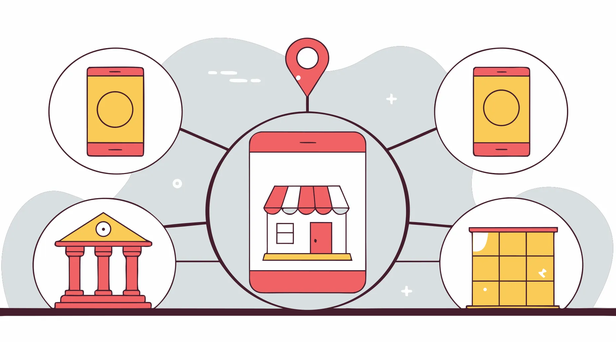
Book a DemoExpanding your business globally is exciting, but it comes with a major hurdle: cross-border payments. Transactions from international customers are far more likely to fail, often because your domestic payment processor is flagged as high-risk by their local bank. This friction can stop your international growth before it even starts. A smarter approach is using intelligent payment routing for online stores. This technology automatically detects a customer's location and directs their payment to a processor with a local presence, using their native currency. This simple, automated step dramatically increases approval rates and provides a seamless, localized checkout experience for your global customers.
Key Takeaways
- Get more approvals and lower your costs: Intelligent routing is a strategy that sends each transaction to the best processor using data like cost, location, and card type. This directly improves your sales success while reducing transaction fees.
- Recover sales with a smart safety net: The system uses cascading payments, or smart retries, to automatically resubmit a failed transaction to a different processor. This powerful feature acts as a safety net, capturing revenue from sales that would otherwise be lost due to technical declines.
- Optimize your strategy with data: Effective routing is not a "set it and forget it" task. Success comes from continuously using analytics to monitor your authorization rates and costs, allowing you to test and refine your rules for even better performance over time.
What Is Intelligent Payment Routing?
Think of intelligent payment routing as a smart traffic controller for your online payments. Instead of sending every single transaction down the same road to one payment processor, it analyzes each payment in real time and directs it along the best possible path. This dynamic approach uses multiple payment processors to find the route most likely to result in a successful transaction.
Why is this so important? Because a surprising number of online payments fail, and it's often not the customer's fault. By having a system that can instantly choose the best processor for a specific transaction, you can significantly increase your chances of capturing every sale. It’s a proactive way to handle payments that saves you from lost revenue and provides a smoother experience for your customers.
Intelligent vs. Traditional Payment Processing
With traditional payment processing, your store is connected to a single payment gateway or processor. Every transaction, regardless of the customer's location, card type, or bank, is sent through that one provider. If that processor’s network has an issue or its risk rules decline a valid transaction, the sale is lost. It’s a simple but rigid system that leaves a lot of money on the table.
Intelligent routing is different. It creates a flexible network of multiple payment providers. The system automatically selects the best processor for each transaction based on factors like cost, approval rates, and currency. This smart logic helps you avoid the common pitfalls that cause payments to fail, turning potential declines into successful sales and protecting your revenue.
Key Components of Intelligent Routing
So, what makes this routing system "intelligent"? It all comes down to data and rules. The system looks at key details for every transaction, like the customer's country, the type of card they're using, and the purchase amount. Based on this information, it follows the rules you've set to choose the optimal path. This might mean sending international payments to a processor with better cross-border approval rates or routing high-value transactions through a provider with lower fees.
The goal is always to maximize successful transactions at the lowest possible cost. A powerful platform uses this logic to create a system that not only increases approvals but also includes smart retry logic for failed payments and optimizes for location and currency. This level of conversion optimization is what sets intelligent routing apart.
How Does Intelligent Payment Routing Work?
Think of intelligent payment routing as a smart traffic controller for your payments. Instead of sending every transaction down the same road, it analyzes each one in real time to find the best possible path. This all happens in the background, in the split second after a customer clicks "buy." The result is a seamless checkout experience for your customer and a much higher likelihood of a successful, low-cost transaction for you. It’s a dynamic system that uses data to make smart, instantaneous decisions that save you money and secure more sales.
The Data That Powers Routing Decisions
At its core, intelligent routing is a data-driven strategy. When a customer makes a purchase, the system doesn't just randomly pick a payment processor. Instead, it analyzes key data points about the transaction to determine the optimal path. This includes information like the customer's location, the currency they're using, the type of card, and the transaction amount. The system then uses this data to send the payment to the processor that has the highest likelihood of success and the lowest fees for that specific scenario. This real-time decision-making is what helps you achieve better conversion and AOV optimization without any manual effort.
How Processors and Gateways Fit In
To understand routing, it helps to know the key players. When a customer enters their card details, that information first goes to a payment gateway. In a traditional setup, that gateway would send the transaction to a single, pre-assigned payment processor. With intelligent routing, the gateway acts more like a traffic controller. It hands the transaction information to the routing engine, which then directs it to the most suitable processor from a pool of options. The "best" processor is the one best equipped to handle that specific transaction at that moment, giving you a much higher chance of a successful authorization.
Cascading Payments: A Fallback Safety Net
What happens if a payment fails? With traditional processing, that's usually the end of the line, resulting in a lost sale. Intelligent routing provides a powerful safety net called cascading payments, or smart retries. If the first processor declines a transaction for any reason (like a temporary network issue or an overly sensitive fraud filter), the system doesn't just give up. It automatically and instantly resubmits the transaction to a second, or even a third, processor. This cascading effect dramatically increases your chances of capturing the sale and prevents the customer frustration that comes with a failed payment. You can even use your analytics and reporting tools to see how effective your cascading rules are.
What Factors Influence Routing Decisions?
Think of intelligent payment routing as a sophisticated GPS for your customer’s money. It doesn’t just pick a path; it finds the fastest, cheapest, and most reliable route for every single transaction, all in the blink of an eye. This decision-making process isn't based on guesswork. It’s powered by a complex analysis of several key factors that work together to maximize your chances of a successful sale.
The system evaluates each transaction in real time, considering everything from where your customer is located to the health of the payment processor itself. By automatically selecting the optimal path, you can significantly increase your approval rates and lower your transaction costs. This isn't about simply having a backup processor; it's about using a dynamic strategy to make every payment more efficient. This level of detail is a core part of a strong conversion and AOV optimization strategy, ensuring a smooth checkout that turns shoppers into buyers. The main factors influencing these routing decisions include customer data, transaction specifics, and processor performance.
Customer Location and Currency
Where your customer is shopping from plays a huge role in payment success. A transaction from a customer in Germany using a German credit card has a much higher chance of approval if it’s sent to a European payment processor instead of one in North America. Intelligent routing identifies the customer's location and currency, then directs the payment to a processor that has a local presence. This simple step can drastically reduce decline rates caused by cross-border friction and lower your currency conversion fees. It also creates a more seamless experience for international customers, who can pay in their native currency with Checkout Champ's dynamic currency conversion.
Payment Method and Card Type
Not all payment processors are created equal, especially when it comes to handling different payment types. Some processors have better relationships with certain card networks, like Visa or American Express, which translates into higher approval rates and lower fees for those specific cards. An intelligent routing system knows these details. It can identify the card type or payment method (like a digital wallet) being used and send the transaction to the processor best equipped to handle it. This ensures you’re always getting the most favorable terms for every transaction, whether it’s a major credit card or a local payment option.
Transaction Amount and Risk Level
The value and perceived risk of a transaction are critical factors in the routing decision. For a small, recurring subscription payment, the system might prioritize the processor with the absolute lowest fees to maximize your margins over time. However, for a large, high-value purchase, the priority shifts to security. The system can route that transaction to a processor with more advanced fraud-detection tools, even if it costs slightly more. This flexibility allows you to create custom rules that balance cost-efficiency with risk management, protecting your business from both unnecessary fees and potential chargebacks.
Processor Performance and Uptime
Even the best payment processors can experience slowdowns or technical issues. With static routing, if your single processor goes down, your sales stop. Intelligent routing actively monitors the performance and uptime of all your connected processors. If one processor is experiencing high latency or an outage, the system automatically reroutes transactions to a healthy, available processor without any manual intervention. This real-time health check acts as a safety net, preventing lost sales and ensuring your checkout process remains operational and frustration-free for your customers, no matter what’s happening behind the scenes.
Key Benefits of Intelligent Payment Routing
Adopting intelligent payment routing is more than a technical update; it’s a strategic move that directly impacts your bottom line, customer happiness, and ability to grow. By automatically sending each transaction down the most optimal path, this technology delivers powerful results. When your payment system can think on its feet, it can dynamically choose the best processor for any given transaction based on a variety of factors like cost, location, and card type. This isn't about just processing a payment; it's about processing it in the smartest way possible.
This strategic approach creates a ripple effect of positive outcomes across your business. From higher approval rates and lower costs to stronger security and a smoother customer journey, the advantages are clear. It transforms your payment processing from a simple utility into a powerful tool for optimization and growth. Let's look at the key ways intelligent routing can help your online store.
Increase Payment Authorization Rates
A failed payment is often a lost sale. When a customer’s card is declined for technical reasons, they may not try again. Intelligent payment routing minimizes this risk by giving every transaction the best possible chance of success. Instead of relying on a single processor, the system can instantly reroute a failed payment to a different gateway that is more likely to approve it. This smart retry logic happens behind the scenes, turning potential declines into successful sales and recovering revenue you would have otherwise lost. This process helps you increase payment authorization rates and keeps customers moving smoothly through the checkout.
Reduce Transaction Costs
Every transaction comes with a fee, and these costs can add up quickly. Intelligent routing helps you keep more of your money by automatically finding the most affordable path for each payment. Different processors charge different rates based on factors like card type, customer location, and currency. An intelligent system analyzes these variables in real time and selects the processor with the lowest fees for that specific transaction. This practice, often called least-cost routing, ensures you’re never overpaying for payment processing. It’s a simple way to improve your profit margins without having to manually compare rates or manage multiple processor relationships.
Strengthen Fraud Protection
Protecting your business from fraud is non-negotiable. Intelligent payment routing adds a powerful layer of security to your checkout process. These systems often include advanced fraud detection tools that analyze transactions for risky attributes. If a payment seems suspicious, it can be automatically routed to a processor with more robust security checks or flagged for manual review. This proactive approach helps you stop fraudulent transactions before they happen, reducing the headache and expense of chargebacks. By integrating fraud protection directly into your payment flow, you can safeguard your revenue and maintain your business’s good standing with payment networks.
Improve the Customer Experience
A smooth and successful payment is the final step in a great shopping experience. When a customer's payment is declined unexpectedly, it causes frustration and can damage their trust in your brand. Intelligent routing helps prevent these negative experiences by maximizing the number of successful authorizations. Because the system finds the best way to process each payment and can even retry failed attempts with other providers, your customers are far less likely to encounter a disruptive error. This reliability creates a frictionless checkout process that leaves customers feeling confident and satisfied, making them more likely to return in the future.
Scale Your Business with Ease
As your business grows, your payment needs become more complex. Expanding to new countries means accepting different currencies and local payment methods. Intelligent payment routing simplifies this process, making it easier to scale your operations. You can add new payment processors for different regions without needing to overhaul your entire checkout system. The routing logic automatically directs transactions to the appropriate processor based on rules you set. This flexibility allows you to enter new markets faster and provide a localized experience for international customers, all while managing everything from a central multi-store management platform.
Is Intelligent Payment Routing Just for Large Businesses?
It’s a common myth that intelligent payment routing is a complex tool reserved for massive enterprises with huge transaction volumes. The reality is that businesses of all sizes can use smart routing to improve their payment success and lower costs. Think of it less as a complicated technical system and more as a powerful strategy to make sure every single customer transaction is processed smoothly, securely, and profitably.
For a growing business, every sale counts. Losing a transaction because of a processor issue isn't just a one-time loss; it can mean losing a customer for good. Intelligent routing acts as your safety net, giving each payment the best possible chance of success. It’s about working smarter, not just harder, to protect your revenue and keep your customers happy.
Why Small and Mid-Sized Stores Benefit
For small and mid-sized stores, the benefits of intelligent routing are incredibly direct. When you're focused on growth, you can't afford to lose sales to preventable declines. Smart routing helps ensure every transaction has the highest chance to be approved, which directly supports your conversion optimization efforts. It’s not just about saving the sale; it’s about creating a seamless checkout experience that builds customer trust and encourages repeat business.
Beyond that, intelligent routing can significantly reduce your operating costs. By automatically sending each transaction to the most cost-effective processor, you can lower your processing fees without any manual effort. For a smaller business where every dollar matters, these savings add up quickly and can be reinvested back into growing your brand.
The Limits of Static Routing
Many stores start with static routing, which means every transaction is sent down a single, fixed path to one payment processor. It’s simple, but it’s also rigid. If that one processor experiences downtime, has higher fees for a certain card type, or flags a legitimate transaction, the payment fails. There’s no backup plan, and you’ve likely lost the sale. This reliance on a single pathway is one of the biggest limitations of a basic payment setup.
Unlike these fixed methods, intelligent routing is dynamic. It adapts in real-time to find the best route for each transaction based on current conditions. If one processor is down, it instantly reroutes the payment to another. This flexibility is crucial for creating a resilient payment system that protects your revenue and keeps your checkout running smoothly, all managed through a comprehensive set of features.
Common Implementation Challenges
While intelligent payment routing is incredibly powerful, let's be real: getting it set up isn't always a simple flip of a switch. But don't let that discourage you. Knowing what to expect is half the battle, and it helps you choose a solution that smooths out these bumps from the very beginning. Let's walk through some of the most common hurdles you might encounter when implementing an intelligent routing strategy so you can plan for them.
Managing Multiple Integrations
At its core, intelligent routing works by connecting to several different payment processors and banks. Each one has its own API and setup process, which can feel like you're trying to piece together a complicated puzzle. Getting all these systems to talk to each other smoothly requires careful setup and a lot of testing. If you're not a developer, this can be a major headache. This is why many businesses opt for a platform that offers pre-built integrations, saving you the time and technical effort of building and maintaining these connections yourself.
Tracking Transactions Accurately
When your payments are flowing through multiple channels, keeping track of everything can get messy. Without a unified view, it’s difficult to know which routing paths are most successful or how much you’re truly spending on transaction fees. You need a single source of truth to monitor your performance. A system with robust analytics and reporting is essential for this. It brings all your transaction data into one place, allowing you to easily track success rates, costs, and other key metrics without having to pull reports from five different systems. This clarity is what helps you make smart, data-driven decisions.
Meeting Compliance Requirements
Handling payments means handling sensitive customer data, and that comes with serious responsibility. Every payment routing solution must be fully compliant with strict security standards, most notably PCI DSS (Payment Card Industry Data Security Standard). Depending on your industry, you might also need to follow other regulations, like HIPAA for health-related products or services. Each payment processor you work with has its own compliance rules, and your system must follow all of them. This adds another layer of complexity, making it crucial to choose a routing solution built on a foundation of security and compliance.
Optimizing Your Rules
Setting up your initial routing rules is just the first step. The real power of intelligent routing comes from continuous improvement. To create truly effective rules, you need a solid grasp of your transaction data and customer behavior. What works today might not be the best option tomorrow. For example, a processor might change its fees, or you might see a new pattern in international declines. This means you have to regularly test and refine your rules to keep your payment success rates high and your costs low. It’s an ongoing process of analysis and adjustment, not a "set it and forget it" task.
How to Measure Your Routing Success
Setting up intelligent routing is the first step, but how do you know if it’s actually working? You can’t just set it and forget it. To see the real impact on your business, you need to track the right metrics. Focusing on these key performance indicators will show you exactly how your routing strategy is paying off and where you can make adjustments for even better results. By regularly monitoring these numbers, you can ensure your payment system is always working as hard as you are to grow your business.
Authorization and Transaction Success Rates
This is the big one. The main goal of intelligent routing is to increase the number of successful transactions. Your authorization rate, which is the percentage of transactions that get approved, is your north star metric here. A higher rate means more sales are going through and fewer customers are leaving frustrated. An intelligent routing system works to find the best path for each payment to maximize successful transactions at the lowest cost. By tracking this rate before and after you implement your routing rules, you get a clear picture of the immediate revenue lift.
Cost Per Transaction
While getting more approvals is crucial, you also want to make sure you’re not overpaying for them. Transaction fees can vary wildly between different payment processors, depending on factors like card type and location. Intelligent routing helps you save money by automatically sending each transaction down the most cost-effective path. By choosing the most efficient payment company for each transaction, you can significantly reduce processing fees. To measure this, calculate your average cost per transaction. Over time, you should see this number decrease as your routing logic gets smarter and more refined.
Chargeback and False Decline Rates
False declines are a silent revenue killer. These happen when a legitimate customer’s payment is rejected due to an overly cautious fraud filter. It’s not just a lost sale; it’s a damaged customer relationship. Smart routing technology helps you tackle high decline rates by directing transactions to processors that have a better track record with specific card types or regions. Similarly, by distributing your transaction volume, you can better manage your chargeback ratio to keep it within acceptable limits for each processor. Monitoring these rates helps you protect your revenue and keep your payment processing accounts in good standing.
Conversion Rate and Revenue
Ultimately, every optimization you make should tie back to your bottom line: conversion rate and total revenue. Fewer failed payments and a smoother checkout experience directly contribute to higher conversions. When more payments go through successfully, your revenue naturally increases. Even a small improvement of one or two percent in your payment success rate can translate into a significant amount of money, especially as your business grows. Tracking your overall conversion rate and revenue gives you the final word on whether your intelligent routing strategy is truly driving growth for your store.
How to Choose the Right Payment Processors
Building an effective intelligent routing strategy starts with a solid foundation: your payment processors. Think of it less like picking a single provider and more like assembling a team of specialists. Each processor has its own strengths, whether it's handling international payments, offering low fees for certain card types, or providing top-notch security. Your goal is to create a mix that gives your routing system the flexibility it needs to find the best path for every single transaction. When you’re evaluating potential partners, it's about looking at the complete picture, not just one or two features. This approach ensures you have the right tools to reduce costs, increase approvals, and give your customers a seamless checkout experience, no matter where they are or how they choose to pay.
Choosing the right processors is a strategic decision that directly impacts your bottom line. A well-curated portfolio of payment partners allows your intelligent routing system to be truly intelligent. It can compare costs in real-time, pivot away from a processor experiencing downtime, and select the gateway most likely to get an approval based on the customer's location and card type. This isn't just about saving a few cents on transaction fees; it's about recovering potentially lost sales and building a resilient payment infrastructure that can grow with your business. Before you can set up sophisticated routing rules, you need to have the right players on your team. Here’s what to look for when you’re building your payment processing roster.
Fees and Costs
When you look at pricing, it’s easy to get fixated on the transaction fee. But that’s just one piece of the puzzle. You need to compare the entire fee structure, which includes monthly fees, setup costs, chargeback fees, and any extra charges for international transactions. A processor with a low transaction rate might make up for it with high monthly fees or expensive penalties. Don't be afraid to get out a spreadsheet and calculate the total potential cost based on your sales volume. Sometimes, a simple all-in-one solution might seem convenient but ends up costing more than a custom setup that requires a bit more technical work upfront.
Payment Methods and Geographic Coverage
Your customers expect to pay in a way that’s familiar and convenient for them. This means offering the right payment methods and local currencies for the regions you serve. A processor that’s a powerhouse in North America might not be the best choice for your growing customer base in Europe or Asia. This is where a multi-processor setup shines. An intelligent routing system can automatically detect where a customer is and send the transaction to the processor most likely to approve it, often with better currency conversion rates. This ensures a smoother experience for your international buyers and can significantly improve your authorization rates.
Security, Compliance, and Reliability
Security is not an area where you can afford to cut corners. At a minimum, any processor you consider must be fully PCI compliant to protect your customers' sensitive card information. Beyond compliance, think about the trust signals you send to your buyers. Offering well-known and respected payment options like major credit cards, PayPal, or Apple Pay can make customers feel more secure and confident in their purchase. Also, ask about reliability and uptime. A processor that frequently experiences outages will directly translate into lost sales and frustrated customers. You need partners you can count on, especially during your busiest sales periods.
Routing Capabilities and Reporting
For intelligent routing to work its magic, it needs data. That’s why it’s critical to choose processors that provide detailed, transparent reporting. You need to know more than just whether a transaction was approved or declined; you need the "why." Look for processors that give you access to granular data on decline codes, latency, and costs per transaction. This information is the fuel for your routing engine, allowing it to make smarter decisions over time. A platform with strong analytics and reporting capabilities will help you monitor performance, spot trends, and fine-tune your routing rules to optimize for cost, success rates, and customer experience.
How to Implement Intelligent Payment Routing
Ready to put intelligent routing into action? Setting it up is a straightforward process that can be broken down into five key steps. Think of this as your roadmap to a more efficient and profitable payment system. By following this process, you can move from a basic, one-size-fits-all approach to a dynamic strategy that adapts to every single transaction, saving you money and keeping your customers happy. Let's walk through how to get it done.
Step 1: Audit Your Current Payment Processing
Before you can build a better system, you need to understand what you’re working with. Start by taking a close look at your current payment processing setup. You’ll want to assess your transaction volume and business size, see how your current tools integrate, and consider your geographic reach. Are you selling to customers in different countries? If so, currency support is a big piece of the puzzle. This initial review helps you spot weaknesses, like high decline rates in a specific region or unnecessarily high fees, and gives you a clear baseline for improvement.
Step 2: Define Your Goals and Metrics
Once you know where you stand, you can decide where you want to go. It’s important to set clear goals for your payment routing strategy. What are you trying to achieve? According to a guide from Stripe, a key step is to "decide what you want to achieve, like better approval rates or lower fees." Maybe your top priority is cutting down on transaction costs. Or perhaps you’re focused on increasing authorization rates to capture more revenue. You might also be looking to reduce fraud or simply provide a smoother checkout for international buyers. Defining these goals helps you measure success and ensures your routing rules are built to deliver the results you care about most.
Step 3: Choose an Integrated Solution
Managing multiple payment gateways and processors can get complicated fast. An integrated solution simplifies everything by bringing your payment tools under one roof. For example, Checkout Champ provides merchants with smart routing logic, access to over 180 payment gateways, and dynamic currency conversion for more than 100 currencies. Instead of patching together different systems, you can use a single platform to manage your entire payment stack. This not only saves you time and headaches but also gives you a unified view of your transaction data, making it easier to spot trends and make smarter decisions.
Step 4: Set Your Routing Rules
This is where the "intelligent" part of intelligent routing comes to life. You’ll create a set of rules that automatically directs each transaction to the best possible payment processor. Think of it as an "if-then" playbook for your payments. For instance, you could set a rule that sends all transactions from Europe to a processor with lower cross-border fees. You can also create rules based on card type, transaction amount, or risk level. Having customizable routing rules and in-depth analytics helps improve approval rates and ensures you’re always getting the best deal on processing fees.
Step 5: Test, Monitor, and Refine
Your work isn’t done once you flip the switch. Intelligent payment routing is not a "set it and forget it" strategy. The payment landscape is always changing, with processor rates and performance fluctuating. It's crucial to continuously monitor performance to achieve higher payment success rates. Keep a close eye on your key metrics, like authorization rates, transaction costs, and chargebacks. Use this data to test and optimize your rules over time. This ongoing process of testing, monitoring, and refining ensures your payment strategy stays effective and continues to support your business growth.
Connect Routing to Your Checkout Performance
Intelligent payment routing isn't just a technical backend process; it's directly tied to the most critical moment in your customer's journey: the checkout. A clunky, unreliable payment experience is one of the fastest ways to lose a sale. By connecting your routing strategy to your checkout performance, you can turn potential cart abandonments into successful conversions and create a smoother experience for your customers. This is where you can see a real, measurable impact on your revenue and customer satisfaction.
The Link Between Routing and Conversions
Think of intelligent routing as your secret weapon for a frictionless checkout. When a customer clicks "buy," they expect the payment to go through instantly. However, about one in every thirteen online payments fails, often for reasons that have nothing to do with the customer's card or funds. This is where intelligent payment routing steps in. Instead of relying on a single path, it analyzes each transaction in real-time and sends it to the payment processor most likely to approve it. This smart, behind-the-scenes decision-making drastically reduces the chance of a false decline, ensuring more of your hard-won customers complete their purchases successfully.
Use Analytics to Refine Your Strategy
The best routing strategies evolve. An intelligent routing system gets smarter with every transaction by learning from both successes and failures. This is why having access to clear data is so important. By regularly reviewing your payment data, you can spot patterns, understand why certain transactions fail, and identify opportunities for improvement. For example, you might notice a specific processor has lower success rates for international cards and adjust your rules accordingly. Using a platform with strong analytics and reporting allows you to monitor your performance in real-time, test new rules, and continuously refine your strategy to maximize your authorization rates and revenue.
How Checkout Champ Simplifies Intelligent Routing
Setting up a sophisticated routing system might sound complicated, but it doesn’t have to be. Checkout Champ brings the power of intelligent routing to your store without the technical headache. Our platform gives you the tools to create custom rules that fit your business needs, whether you want to manage transaction volumes across different merchant accounts or route payments based on currency. With access to over 180 payment gateways and dynamic currency conversion, you can build a flexible and resilient payment system. This level of control helps you optimize your checkout for higher conversion rates and provide a seamless experience for customers around the world.
Related Articles
- Intelligent Payment Routing Explained: Benefits & How It Works | Checkout Champ
- What Is Intelligent Payment Routing & How It Works - Media - Checkout Champ
- What Is Smart Payment Routing & How Does It Work? - Media - Checkout Champ
Frequently Asked Questions
Is intelligent routing just having a backup payment processor? Not quite. While having a backup is part of it, intelligent routing is much more proactive. Instead of just trying a second processor after the first one fails, it analyzes every transaction in real time to pick the best possible processor from the start. It considers factors like the customer's location, the card type, and transaction fees to send the payment down the most efficient and successful path, not just a backup one.
Will my customers notice any of this happening during checkout? No, and that’s the beauty of it. The entire decision-making process happens in the fraction of a second after your customer clicks "buy." From their perspective, it's a completely seamless and invisible process. The only thing they'll notice is that their payment goes through smoothly and successfully, which is exactly the kind of reliable experience that builds trust and encourages them to shop with you again.
This sounds complicated. How much technical work is involved in setting it up? It can be complex if you try to build and manage all the different processor integrations yourself. However, using an all-in-one platform like Checkout Champ removes that technical burden. The integrations are already built, so you don't need to be a developer. Your job is simply to use a straightforward interface to set the rules that make sense for your business, like routing international payments to a specific processor.
How does this actually help me make more money? It helps your bottom line in two major ways. First, it increases your revenue by capturing sales you would have otherwise lost. By smartly retrying failed payments and finding the path of least resistance, you turn potential declines into approved transactions. Second, it protects your profit margins by automatically routing payments through the most cost-effective processor, which lowers your overall transaction fees.
I'm just starting to sell internationally. How can intelligent routing help with that? It's a huge advantage for international sales. Intelligent routing can automatically detect a customer's location and send their payment to a processor that has a local presence in that region. This dramatically increases the chances of the payment being approved and often results in lower currency conversion fees. It helps you provide a localized, frictionless checkout experience for your global customers without needing a separate website for each country.