


Why Your Sales Funnel Needs Payment Orchestration
Level Up Today!
Book a DemoSelling internationally is an exciting milestone, but it introduces a new layer of complexity at checkout. A customer in Germany might want to use Giropay, while a shopper in the Netherlands prefers iDEAL. Presenting them with only a standard credit card form can create distrust and lead to lost sales. You need a system that makes your global customers feel right at home. This is the core value of payment orchestration for sales funnels. It allows you to intelligently offer local payment methods and currencies, creating a seamless, localized experience that builds trust and significantly improves your conversion rates in new markets without requiring a massive technical overhaul on your end.
## Key Takeaways
* **Simplify to Gain More Control**: [Payment orchestration](https://checkoutchamp.com/media/what-are-orchestration-payments-a-simple-guide-282) brings all your payment providers into one central hub, giving you a single place to manage everything and route transactions to the most cost-effective processor for each sale.
* **Secure More Revenue at Checkout**: Orchestration helps you convert more sales by automatically rescuing failed payments and offering customers their preferred local payment options, which reduces checkout friction and turns potential lost sales into completed orders.
* **Create a Future-Ready Payment System**: By connecting you to multiple payment providers, orchestration builds a more resilient business that is not dependent on a single gateway, making it easier to sell internationally and adapt your strategy as you grow.
## What Is Payment Orchestration?
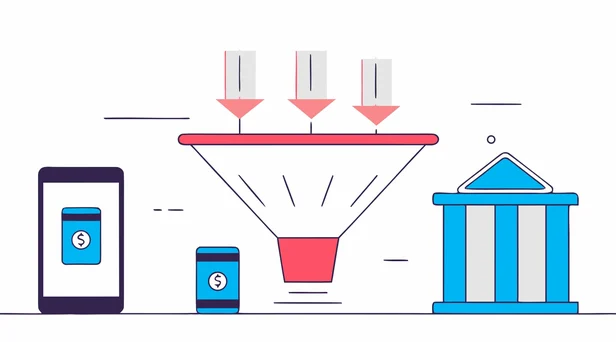
Think of payment orchestration as the master conductor for your checkout process. Instead of trying to manage separate connections to different payment companies, banks, and systems yourself, you get one single, smart layer that handles it all. Its main job is to make the payment experience completely seamless for your customers and much simpler for you to manage on the back end. This system brings all your payment providers and methods together in one place. So, instead of building and maintaining individual connections to PayPal, Stripe, various credit card processors, and Buy Now, Pay Later options, you connect to the orchestration platform just once.
From there, the platform handles all the complex communication, routing, and decision-making behind the scenes. It intelligently directs each transaction to the best possible path for success. This helps you increase sales, prevent fraud, and sell globally with far less effort and technical overhead. An all-in-one platform provides a suite of [features](https://checkoutchamp.com/features) that work together to streamline this entire process, from the moment a customer clicks "buy" to the final sales report. It’s about working smarter, not harder, to make sure every possible sale goes through smoothly.
### How It Works With Your Sales Funnel
Payment orchestration works at the most critical point of your sales funnel: the checkout. When a customer clicks "pay," the orchestration layer instantly analyzes the transaction and sends it to the payment processor most likely to approve it. This smart routing helps more customers complete their purchases successfully on the first try. It also helps you [optimize your payment flows](https://checkoutchamp.com/features/conversion-aov-optimization) by offering a variety of payment choices and automatically retrying a transaction if it fails. By reducing friction and preventing declines, it turns more potential cart abandonments into confirmed sales, directly improving your conversion rate.
### Payment Orchestration vs. Traditional Gateways
A traditional payment gateway is like a single pipeline. You connect to one provider, and every transaction tries to go through that one path. If there's a problem with the gateway or the customer's card isn't favored by that processor, the sale is often lost for good. Payment orchestration, on the other hand, acts as a bridge between you and multiple payment service providers. It gives you the power of many gateways through a [single integration](https://checkoutchamp.com/features). This approach simplifies your backend operations while giving your customers the flexibility of multiple payment options, which is key to creating a resilient and high-performing checkout experience.
## How Does Payment Orchestration Work?
Think of payment orchestration as the super-smart traffic controller for your checkout process. Instead of juggling connections to multiple payment gateways, processors, and fraud detection tools yourself, you connect to one central system. This orchestration layer then takes over, managing every transaction from the moment a customer clicks "buy" to the second the money lands in your account. It works quietly in the background to make sure every payment has the best possible chance of success, giving you a single, unified view of your entire payment stack. This approach simplifies your operations, since you're managing one connection instead of many, and it gives you the flexibility to add or change payment partners without re-coding your entire checkout. The platform acts as an intelligent intermediary, making decisions in real-time to optimize each transaction. It’s all about making your payment process more efficient, resilient, and profitable, without adding complexity to your workflow. By centralizing control, you gain powerful insights and the ability to adapt quickly to new market opportunities or payment technologies.
### Route Payments Smartly
A payment orchestration platform doesn't just send every transaction to the same processor. Instead, it uses a set of rules you define to route each payment intelligently. This system brings together different payment providers and methods into one place, so you only have to connect to the orchestration layer. It then directs each payment to the best provider based on factors like transaction fees, currency, card type, or even the customer's location. This dynamic routing helps you achieve higher approval rates and lower your processing costs, ensuring you get the most out of every single sale.
### Rescue Failed Payments Automatically
Few things are more frustrating than a legitimate payment failing for a technical reason. Payment orchestration creates a safety net for these situations. If a transaction is declined by the primary processor, the system can automatically and instantly retry it with a backup provider. Often, this happens so quickly that the customer never even knows there was an issue. This process of [rescuing failed payments](https://www.paddle.com/blog/payment-orchestration) turns potential lost sales into successful orders, protecting your revenue and preventing customer frustration without you having to lift a finger. It’s a simple, automated way to improve your bottom line.
### Manage Fraud and Risk
Keeping your business safe from fraud is critical, but overly aggressive security can block real customers and hurt your sales. Payment orchestration helps you find the right balance. It integrates modern security tools like 3D Secure to verify buyers when needed but can also use smart rules to skip extra steps for low-risk or trusted customers. This creates a checkout experience that is both secure and smooth. By managing risk intelligently, you can [prevent fraudulent chargebacks](https://www.aciworldwide.com/blog/payments-orchestration-music-to-the-ears-of-merchants) while making it easy for legitimate shoppers to complete their purchases, building trust and protecting your business.
## Why Your Sales Funnel Needs Payment Orchestration
Your sales funnel is designed to guide customers smoothly from discovery to purchase, but the final step, payment, is where many businesses lose sales. A clunky or restrictive checkout can undo all your hard work. This is where payment orchestration comes in. It’s not just about accepting payments; it’s about optimizing the entire process to improve your bottom line. By integrating a smart payment system, you can directly address the biggest revenue-killers at checkout and create a better experience for your customers.
### Turn More Carts into Sales
Every abandoned cart represents a missed opportunity. Often, a customer is ready to buy, but the payment process gets in the way. Maybe their preferred payment method isn't available, or their card is declined for a reason they don't understand. Payment orchestration helps more customers complete their purchases by offering a wide variety of payment choices. It also intelligently sends payments to the bank most likely to approve them. This flexibility means fewer frustrated customers and more completed sales, directly improving your [conversion and AOV optimization](https://checkoutchamp.com/features/conversion-aov-optimization) efforts.
### Decrease Failed Transactions
A "transaction failed" message is a dead end for a sale. These failures can happen for many reasons, from network issues to strict fraud filters. Instead of losing the customer, a payment orchestration platform works behind the scenes to save the sale. It can automatically retry a transaction through a different processor or route it in a way that increases its chance of success. This process of centralizing and optimizing payment flows ensures you can [improve transaction success rates](https://www.ixopay.com/blog/how-payment-orchestration-platforms-improve-transaction-success-rates) and simplify your operations, turning potential losses into secured revenue.
### Lower Your Processing Costs
Payment processing fees can quietly eat into your profits. Different processors charge different rates, and costs can add up, especially as you scale. Payment orchestration uses smart routing to send each transaction through the most cost-effective path available, automatically minimizing your fees. It also helps reduce expensive chargebacks by using more sophisticated fraud detection tools. By giving you a clear view of your expenses through detailed [analytics and reporting](https://checkoutchamp.com/features/analytics-reporting), you can make sure you’re not overpaying and that you’re keeping more of the money you earn from every single sale.
### Sell Globally with Local Payment Options
Expanding into new countries is a huge step for any business, but it comes with the challenge of handling different currencies and payment habits. Customers are far more likely to trust and complete a purchase if they can pay in their local currency using a method they recognize. Payment orchestration makes this simple. It allows you to easily support local payment methods and offer [dynamic currency conversion](https://checkoutchamp.com/features/dynamic-currency-conversion) without needing to set up separate payment systems for each new market. This removes a major barrier to international growth and helps you build a global customer base.
## How Payment Orchestration Lifts Your Conversion Rate
When we talk about conversion rates, we often focus on things like ad copy, landing page design, or email campaigns. But what about the final, most critical step: the payment? This is where many sales are won or lost. A clunky, confusing, or restrictive checkout process is a top reason for cart abandonment. Payment orchestration directly addresses these issues, turning your checkout from a potential roadblock into a smooth final step.
By intelligently managing your entire payment stack, an orchestration platform works behind the scenes to make paying you as easy as possible for your customers. It’s about removing friction, building trust, and ensuring that a temporary glitch doesn’t cost you a sale. This system helps you work with many different payment companies and systems, all with the goal of making the payment process smooth for your customers. Let's break down exactly how this process helps you turn more browsers into buyers.
### Create a Frictionless Checkout
Think about the last time you abandoned an online shopping cart. Was it because the site wanted you to create an account, or the payment form was long and confusing? A frictionless checkout is the holy grail of ecommerce, and payment orchestration is key to achieving it. Instead of presenting a dizzying array of options or a one-size-fits-all form, an orchestration layer intelligently displays the most relevant payment methods for each user. This creates a simple, intuitive experience that guides the customer to completion. By streamlining this final step, you reduce the chances of frustration and second-guessing, which is a core part of any effective [conversion optimization](https://checkoutchamp.com/features/conversion-aov-optimization) strategy.
### Offer Local Currencies and Payment Methods
Selling online means you can reach customers anywhere in the world. But are you letting them pay in a way that feels local and familiar? Shoppers are far more likely to complete a purchase if they can see prices in their own currency and use a payment method they trust. Payment orchestration makes this simple by automatically detecting a customer’s location and adjusting the checkout experience accordingly. This helps you offer a satisfying customer experience and can significantly reduce the number of declined transactions. For example, Checkout Champ’s [Dynamic Currency Conversion](https://checkoutchamp.com/features/dynamic-currency-conversion) handles this automatically, building immediate trust and making global sales feel local.
### Save Sales with Automatic Retries
Few things are more frustrating for a customer than seeing a "payment failed" message, especially when they know their card is good. These declines are often caused by temporary issues with a specific bank or payment processor, not a problem with the customer's account. Without orchestration, that sale is likely lost for good. A smart system, however, can save it. If a payment fails, the system checks if it's a temporary problem. If so, it automatically tries the payment again with a different backup provider, often without the customer even knowing there was an issue. This is especially powerful for businesses with recurring revenue, as it helps prevent involuntary churn from failed [subscription billings](https://checkoutchamp.com/features/subscription-billings).
## Must-Have Features for a Payment Orchestration Platform
When you start looking at payment orchestration platforms, you'll find they all promise to simplify your payments. But to truly get the most out of this technology, you need a platform with the right set of tools. Think of it as a checklist for success. The best platforms don't just connect you to payment providers; they actively work to improve your authorization rates, reduce costs, and give you the data you need to grow. Let's walk through the non-negotiable features you should look for when choosing a partner for your payment strategy. These are the tools that will make a real difference to your bottom line and your customer's checkout experience.
### Smart Routing Across Multiple Payment Providers
This is the core of payment orchestration. Instead of being locked into one payment processor, smart routing lets you connect to several at once. The platform then intelligently sends each transaction to the best provider based on rules you set. For example, you can route based on card type, country, or transaction amount to find the processor with the highest success rate or lowest fee for that specific payment. This dynamic process happens instantly behind the scenes. The result is fewer failed payments and lower processing costs, which is a key part of any solid [conversion optimization strategy](https://checkoutchamp.com/features/conversion-aov-optimization). It’s about making your payment stack work smarter, not harder.
### Built-In Fraud Protection
Protecting your business from fraud is critical, but you can't afford to create a difficult checkout experience for legitimate customers. A great payment orchestration platform strikes the right balance. It uses modern security tools like [Strong Customer Authentication (SCA)](https://stripe.com/guides/strong-customer-authentication) to verify buyers when a transaction seems risky. At the same time, it can intelligently bypass these extra steps for trusted, low-risk customers to make their checkout process faster and smoother. This approach helps you block fraudulent transactions without accidentally turning away good customers, keeping your revenue safe and your user experience clean.
### Support for Subscriptions and Recurring Payments
If your business relies on recurring revenue, you know that failed payments are a constant challenge. Payment orchestration is a game-changer for managing subscriptions. Because it can retry failed payments through different gateways, it significantly reduces passive churn from declined transactions. A good platform will also include tools like an account updater to automatically refresh expired card details. By automating these processes, you can recover more revenue and provide a seamless experience for your subscribers. This is essential for any business looking to grow its recurring revenue with a [subscription billing](https://checkoutchamp.com/features/subscription-billings) model.
### Clear Analytics and Reporting Dashboards
You can't improve what you can't measure. With multiple payment providers in the mix, getting a clear picture of your performance can be tough. A must-have feature is a centralized dashboard that brings all your payment data together. This includes successful payments, failed transactions, and retry attempts, all in one place. This unified view helps you see which payment providers are performing best and identify trends over time. With powerful [analytics and reporting](https://checkoutchamp.com/features/analytics-reporting), you can fine-tune your routing rules and make data-driven decisions to constantly improve your payment strategy.
### Easy Integration with Your Sales Tools
Your payment system doesn't operate in a vacuum. It needs to communicate with your ecommerce platform, CRM, fulfillment software, and marketing tools. A top-tier orchestration platform should offer easy integration, bringing all your transaction data into a single, manageable system. This prevents data silos and eliminates the need for manual reconciliation between different reports. When your payment platform works seamlessly with your other tools, you get a clear view of the entire customer journey. An all-in-one solution with a wide range of built-in [features](https://checkoutchamp.com/features) can make this process even simpler by keeping everything under one roof.
## Busting 3 Myths About Payment Orchestration
When you first hear about a powerful tool like payment orchestration, it’s easy to assume it’s out of reach or overly complex. New technology often comes with a set of myths, and payment orchestration is no exception. Many online business owners worry it’s too expensive, too difficult to implement, or that it means giving up control over a critical part of their sales funnel.
The good news is that these concerns are largely based on outdated ideas. Modern payment orchestration is designed to be accessible, user-friendly, and empowering for businesses of all sizes. Let’s clear up a few of the most common misconceptions so you can see how it can fit into your growth strategy.
### Myth 1: It's Only for Big Companies
This is probably the most common myth, and it’s easy to see why it started. A decade ago, building a system to manage multiple payment processors was a massive undertaking, reserved for enterprise-level companies with deep pockets and large development teams. But that’s no longer the case. Technology has evolved, and what was once a complex, custom-built solution is now available as a ready-to-use service.
Platforms like Checkout Champ integrate these advanced capabilities directly into their systems, making them accessible to everyone. You don’t need a team of engineers to get the benefits of smart payment routing and higher approval rates. The playing field has been leveled, giving your business access to the same powerful [e-commerce features](https://checkoutchamp.com/features) that were once exclusive to the biggest names in retail.
### Myth 2: It's Too Complicated to Set Up
The word "orchestration" might sound intimidating, suggesting a complicated process that requires a lot of technical know-how. Many people picture weeks of coding and difficult integrations just to get started. In reality, modern payment orchestration platforms are built with simplicity in mind. Instead of writing code, you use a straightforward dashboard to manage your payment stack.
You can add new payment providers, set rules for routing transactions, and implement fraud prevention measures with just a few clicks. The goal of these platforms is to simplify your operations, not add another layer of complexity. This ease of use is central to [conversion and AOV optimization](https://checkoutchamp.com/features/conversion-aov-optimization), as it allows you to quickly adapt your payment strategy without technical roadblocks getting in the way.
### Myth 3: You'll Lose Control of Your Payments
Handing over your payment processing can feel like you’re giving up control, but with payment orchestration, the opposite is true. You aren't handing your payments over to a black box; you are simply using a smarter tool to execute your own strategy. A good platform gives you the power to customize rules and workflows to fit your exact business needs.
You decide which transactions go to which processor based on factors like card type, currency, or transaction cost. You set the rules for retrying failed payments and define your own risk tolerance. This level of customization gives you more granular control than you would ever have with a single payment gateway. Plus, you gain a unified view of all your payment activity through clear [analytics and reporting](https://checkoutchamp.com/features/analytics-reporting), empowering you to make better, data-driven decisions.
## How to Add Payment Orchestration to Your Sales Funnel
Integrating payment orchestration into your sales funnel is a powerful move, and it’s more straightforward than you might think. Think of it as a three-part process: picking your tools, doing a thorough dress rehearsal, and then keeping a close eye on performance once you go live. This isn't about overhauling your entire business overnight. Instead, it's about making a strategic upgrade that simplifies your backend operations and creates a smoother path to purchase for your customers.
By breaking it down into these manageable steps, you can confidently add a payment orchestration layer that works for your specific business goals. The aim is to get all your payment systems working together in harmony, so you can focus on growing your business instead of wrestling with technical issues. Let's walk through how to get it done.
### Choose the Right Platform for Your Business
First things first, you need to select a platform that fits your business. A payment orchestration platform, or POP, is a system that connects multiple payment gateways and processors through a single integration. Instead of juggling separate connections for each payment provider, you connect to one central hub. This simplifies everything from your day-to-day operations to expanding into new markets.
When you’re comparing options, look for a solution that aligns with your sales model. Do you rely on recurring revenue? Then strong [subscription billing](https://checkoutchamp.com/features/subscription-billings) support is a must. Are you selling internationally? Look for a platform that can handle multiple currencies. The goal is to find an all-in-one system that consolidates your tools and gives you a single point of control.
### Test Everything Before Going Live
Once you’ve chosen your platform, the next step is to test it from top to bottom. This is your chance to catch any potential snags before they can affect your customers. You need to make sure everything works correctly across all your payment providers and for different purchase scenarios. Run test transactions using various payment methods, like different credit cards and digital wallets.
Don’t forget to test edge cases, too. What happens when a payment fails? Does the automatic retry logic work as expected? How does the system handle refunds or disputes? A thorough testing phase ensures a seamless customer experience from day one and is a key part of any [conversion optimization](https://checkoutchamp.com/features/conversion-aov-optimization) strategy. Taking the time to be meticulous here will save you headaches and lost sales down the road.
### Train Your Team and Track Performance
With your system tested and ready, it’s time to prepare your team. Your customer service and finance departments should understand how the new platform works and where to find the information they need. A good payment orchestration platform gathers all your transaction data, including successful payments, failures, and retries, into one unified dashboard. This makes it much easier for your team to get a clear picture of what’s happening.
After you launch, performance tracking becomes your new best friend. Use your platform’s [analytics and reporting](https://checkoutchamp.com/features/analytics-reporting) tools to monitor which payment providers are performing best and identify opportunities for improvement. This data allows you to fine-tune your payment routing over time, ensuring you’re always using the most efficient and cost-effective paths for your transactions.
## What to Expect When You Integrate
Once you decide to bring payment orchestration into your sales funnel, you might wonder what the transition actually looks like. It’s natural to feel a little hesitant about changing up your payment stack; after all, this is how you get paid. The good news is that modern platforms are designed for a smooth integration that minimizes disruption and maximizes benefits from day one. When you connect a payment orchestration layer, you’re not just adding another tool to your tech stack. You’re creating a central hub for your entire payment ecosystem. This single connection point simplifies how you manage transactions, security, and customer data.
This shift brings two major improvements right away. First, it simplifies your security and compliance workload by consolidating protocols into one manageable system. Second, it creates a much more consistent and trustworthy experience for your customers from the moment they land on your site to the second they complete their purchase. This central control panel lets you manage everything without the headache of juggling multiple systems, making the whole process feel less like a risky overhaul and more like a smart, strategic upgrade for your business. It’s about gaining more control and efficiency, not starting from scratch.
### Handle Compliance and Security
Let’s be honest, keeping up with payment security and compliance rules can feel like a full-time job. A payment orchestration platform takes a lot of that weight off your shoulders. Instead of managing security protocols for several different payment providers, you’re working within one secure system. This central hub coordinates all your payment services, which helps [streamline your operations](https://www.venable.com/insights/publications/2025/01/maximizing-the-benefits-and-minimizing-the-risks) and manage risk more effectively. Because the platform intelligently routes transactions, it can direct payments through the most secure and compliant pathways available. This means you can worry less about complex regulations like PCI DSS and focus more on growing your business, knowing your payment processing is in good hands.
### Keep the Customer Experience Consistent
Your customer’s journey should feel seamless, and that includes the checkout. Payment orchestration is key to making this happen. It works by [centralizing all your payment gateways](https://stripe.com/resources/more/what-is-payment-orchestration-what-businesses-need-to-know), processors, and acquirers into a single, unified layer. For your customer, this means the payment experience looks and feels the same no matter what. Whether they’re using a credit card, a digital wallet, or a local payment option, the process is smooth and branded to your store. This consistency builds trust and reduces the friction that often leads to abandoned carts. By creating a reliable and predictable checkout, you turn your payment process from a potential obstacle into a powerful tool for customer satisfaction and loyalty.
## How to Measure the ROI of Payment Orchestration
Switching to a payment orchestration platform is a big move, so you’ll want to know if it’s actually paying off. Measuring the return on investment (ROI) isn't just about seeing if you saved money on fees. It’s about understanding the total impact on your business, from higher sales to happier, more efficient teams. By looking at the right numbers and asking the right questions, you can get a clear picture of the value payment orchestration brings to your sales funnel.
### Track These Key Metrics
To see the real impact of payment orchestration, you need to look beyond your bank statement. Start by tracking your transaction success rate. A good platform will automatically retry failed payments and route them to the processor most likely to approve them, which should cause this number to climb. Also, keep a close eye on your cart abandonment rate. A smoother checkout with more payment options means fewer frustrated customers leaving their items behind.
Other important metrics include your chargeback rate and your cross-border sales volume. With better fraud tools, you should see fewer chargebacks. And by offering local payment methods, you can see a significant increase in international sales. These metrics give you a tangible way to measure how your platform is improving your overall [conversion and AOV optimization](https://checkoutchamp.com/features/conversion-aov-optimization).
### Use Analytics to Optimize Performance
One of the best parts of payment orchestration is having all your payment data in one place. Instead of logging into multiple dashboards, you get a single, unified view of your entire payment ecosystem. This makes it much easier to spot trends and identify which payment providers are performing best for different types of transactions or in different regions. You can see everything from successful and failed payments to retry attempts in one spot.
Use these insights to fine-tune your payment routing rules over time. For example, if you notice one processor has a higher success rate for customers in Europe, you can set your system to prioritize it for those transactions. A platform with strong [analytics and reporting](https://checkoutchamp.com/features/analytics-reporting) gives you the data you need to make these smart, proactive decisions that directly improve your bottom line.
### Calculate the Total Cost of Ownership
When calculating ROI, it’s easy to focus only on the monthly fee of your platform. But to get the full picture, you need to consider the Total Cost of Ownership (TCO). This includes not just the subscription cost but also the indirect costs you’re saving on. Think about the developer hours you no longer need for integrating new payment gateways or the time your finance team saves by not having to reconcile reports from multiple systems.
A true payment orchestration platform simplifies your operations by giving you access to numerous payment processors through a single integration. This reduces complexity and operational overhead. When you add up the savings from lower processing fees, reduced fraud, and decreased operational costs, you’ll see that the right platform often pays for itself. An all-in-one solution with a wide range of [features](https://checkoutchamp.com/features) can significantly lower your TCO by consolidating your tech stack.
## Is Payment Orchestration Right for Your Business?
After everything we've covered, you might be wondering if this is the right move for *your* store. Payment orchestration sounds powerful, but is it necessary? The truth is, it depends on your goals and your current challenges. It’s not just for massive corporations anymore; it’s for any business that wants to grow smarter, not just bigger. It’s about creating a more resilient, efficient, and customer-friendly sales funnel that’s ready for whatever comes next.
Consider payment orchestration if any of these situations sound familiar:
**You're planning to sell internationally (or already are).** If you want to expand your reach, you need to let customers pay how they want. Payment orchestration makes it simple to offer [local payment methods](https://www.paddle.com/blog/payment-orchestration) in different countries, which can make a huge difference in your conversion rates. You can enter new markets without the headache of setting up individual payment gateways for each region.
**You're losing sales to failed payments.** Are declined transactions eating into your revenue? A payment orchestration platform can automatically retry failed payments through different gateways or suggest alternative options to the customer. This helps you rescue sales you would have otherwise lost and ensures a [smoother payment process](https://www.aciworldwide.com/blog/payments-orchestration-music-to-the-ears-of-merchants) for everyone.
**You want more flexibility and control.** Feeling stuck with your current payment processor's high fees or limited features? Orchestration puts you back in the driver's seat. It allows you to connect multiple payment providers through a single integration, so you can always route transactions in the most cost-effective way without being locked into one vendor.
**You want to simplify your tech stack.** If you're tired of juggling multiple tools for payments, fraud detection, and analytics, an all-in-one platform with orchestration capabilities might be your answer. Centralizing these functions through a solution like [Checkout Champ](https://checkoutchamp.com/features) streamlines your operations, saving you time and reducing the chance of errors. You get a single, clear view of your entire payment ecosystem.
## Related Articles
* [What Are Orchestration Payments? A Simple Guide - Media - Checkout Champ](https://checkoutchamp.com/media/what-are-orchestration-payments-a-simple-guide-282)
* [Payment Orchestration Explained: Benefits, Myths & How to Start | Checkout Champ](https://checkoutchamp.com/media/what-are-orchestration-payments-a-simple-guide-282)
## Frequently Asked Questions
**How is payment orchestration different from a standard payment gateway?** Think of a standard payment gateway as a single road for all your transactions. If there’s a roadblock or traffic jam on that one road, the sale is lost. Payment orchestration is more like a smart GPS for your payments. It connects you to a whole network of roads (multiple payment providers) and automatically directs each transaction down the fastest, clearest path to success, ensuring more of your customers get to their destination.
**What's the main reason to use payment orchestration? Is it just about saving money on fees?** While lowering your processing fees is a great perk, the biggest advantage is increasing your revenue. Payment orchestration helps you capture sales that would otherwise be lost. It does this by automatically retrying failed payments with a different provider and offering customers more ways to pay. It’s less about trimming costs and more about making sure every possible sale actually goes through.
**Will this be complicated to add to my current online store?** Not at all. The idea that this requires a huge technical lift is a common misconception. Modern payment orchestration platforms are designed to be user-friendly. Instead of complex coding, you typically manage everything through a central dashboard. You connect to the platform once, and from there, you can add new payment options and set your rules with just a few clicks.
**Is payment orchestration something only large, enterprise-level companies can use?** That used to be the case, but not anymore. What once required a massive budget and a team of developers is now available as an accessible service for businesses of all sizes. Platforms have integrated this powerful technology so that growing brands can use the same advanced tools as major retailers to improve conversions and streamline operations.
**If the platform is making routing decisions, do I lose control over my payments?** It’s actually the opposite; you gain more control. You are the one who sets the strategy. You create the rules that tell the platform how to handle different transactions, such as routing payments based on cost, currency, or card type. The platform simply executes your instructions automatically and efficiently, giving you a level of granular control you wouldn't have with a single gateway.