


5 Best Automated Order Fulfillment Solutions
Level Up Today!
Book a DemoHow much is your time really worth? For many business owners, the hidden costs of manual fulfillment are staggering. It’s not just the hours spent packing boxes; it’s the money lost on shipping errors, the expense of processing returns for incorrect items, and the opportunity cost of not focusing on high-value tasks like strategy and growth. Every minute you spend on repetitive logistics is a minute you’re not spending on moving your business forward. Shifting to automated order fulfillment solutions is a direct investment in your bottom line. By reducing labor costs, eliminating expensive mistakes, and optimizing your shipping, you can reclaim both time and money, creating a more profitable and sustainable business for the long term.
Key Takeaways
- Build a Scalable Operation: Automating your fulfillment allows you to handle surges in demand without sacrificing speed or accuracy. This leads to significant cost savings from fewer errors and builds customer trust with reliable, fast delivery.
- Choose a System That Connects Everything: The best fulfillment solutions integrate seamlessly with your e-commerce platform and other business tools. This creates a single, reliable source of data for real-time inventory tracking, accurate order processing, and a complete view of your operations.
- Measure What Matters to See Real Value: A successful implementation requires a clear plan and team training. Once live, track key metrics like order accuracy, processing speed, and cost-per-order to confirm your investment is paying off and to identify new opportunities for improvement.
What is Automated Order Fulfillment?
Think of automated order fulfillment as your behind-the-scenes dream team that works 24/7. It’s the process of using technology—like smart software and even robots—to handle everything that happens after a customer clicks “buy.” Instead of a person manually printing a shipping label, finding the item on a shelf, and packing it into a box, an automated system takes care of these steps for you.
This technology connects your online store directly to your warehouse. When an order comes in, the system instantly checks your inventory, tells a warehouse worker (or a robot!) exactly where to find the product, and generates the right shipping label. The goal is to make the entire process, from picking items to packing and shipping them, as hands-off and efficient as possible. By setting up fulfillment automation, you can get orders out the door faster and with fewer mistakes, which is a win for both you and your customers. It’s all about streamlining your operations so you can focus on growing your business instead of getting buried in packing tape.
The Key Parts of an Automated System
An automated fulfillment system isn't just one piece of technology; it's a few key parts working together seamlessly. First, you have an order management system (OMS), which is the brain of the operation. It pulls in orders from all your sales channels and organizes them. Next, there’s the warehouse management system (WMS), which keeps track of every single item you have in stock and where it’s located.
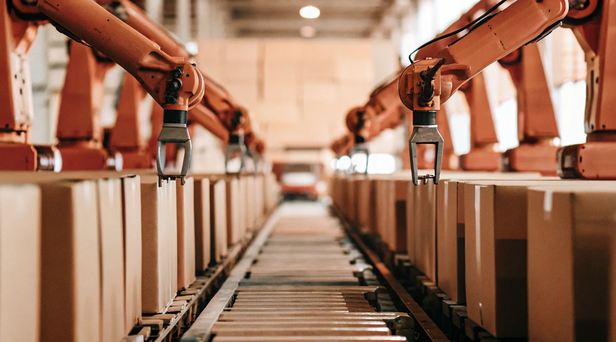
Then comes the physical automation. This can range from conveyor belts that move items around the warehouse to advanced robots that pick and pack products with incredible speed and precision. Finally, shipping software integrates with carriers like USPS or FedEx to automatically print the correct labels and update customers with tracking information.
How Automation Changes the Game for Fulfillment
Switching from a manual to an automated system is like trading in a bicycle for a sports car. Manual fulfillment is slow, expensive, and leaves a lot of room for human error—think grabbing the wrong size shirt or shipping a package to the wrong address. These little mistakes can add up to unhappy customers and costly returns.
Automation completely transforms this process. It dramatically increases speed and accuracy, ensuring the right product gets to the right person, every time. This efficiency helps you keep up with a high volume of orders without needing to hire a massive team. It also frees up your employees from repetitive, physically demanding tasks, allowing them to focus on things like customer service or quality control, which ultimately leads to a more productive and happier team.
Why Should You Automate Your Order Fulfillment?
Switching from a manual to an automated fulfillment process can feel like a big leap, but it’s one of the most impactful moves you can make for your business. Think of it as building a solid foundation for growth. When you automate, you’re not just speeding things up; you’re creating a smarter, more resilient system that handles the tedious work so you can focus on the bigger picture. It’s about replacing repetitive tasks with reliable technology that works around the clock.
This shift allows you to process orders faster, reduce costly mistakes, and give your customers the speedy, accurate service they expect. For businesses with complex supply chains or high order volumes, automating order fulfillment isn't just a nice-to-have—it's essential for staying competitive. By letting software and systems manage the logistics, you free up your team’s time and energy for tasks that truly drive your business forward, like marketing, product development, and customer relationships.
Scale Your Business Without the Growing Pains
As your business grows, manual fulfillment becomes a bottleneck. More orders mean more packing slips, more boxes, and a higher chance of human error. This is where automation shines. It allows you to handle a surge in orders—whether from a successful marketing campaign or seasonal demand—without needing to hire a whole new team overnight. An automated system processes one hundred orders with the same precision as it does ten. This scalability means you can confidently pursue growth, expand your product lines, or sell on new channels without worrying if your backend operations can keep up. It’s about building a business that’s ready for tomorrow’s success, today.
Cut Costs and Save Time
One of the most immediate benefits of automation is its impact on your bottom line. By taking over repetitive tasks, fulfillment automation reduces the need for extensive manual labor, freeing up your team for higher-value work. It also drastically cuts down on costly errors. Mis-picked items and incorrect addresses lead to expensive returns and unhappy customers. Automated systems can achieve over 99% accuracy, ensuring the right product gets to the right person every time. This efficiency means you can process more orders in less time—some businesses see up to a 40% increase in throughput—while also optimizing packaging and securing better shipping rates, saving you money on every single order.
Create Happier Customers
In today’s competitive market, the customer experience doesn’t end at checkout. Fast and accurate delivery is a critical part of keeping your customers happy and coming back for more. Automation directly improves this experience by getting orders out the door faster and with greater precision. When a customer receives their package quickly and it’s exactly what they ordered, it builds trust and loyalty. This reliability reduces the number of "Where is my order?" inquiries, lightening the load on your support team and improving your overall customer service. Ultimately, a smooth fulfillment process is a powerful retention tool that turns one-time buyers into lifelong fans.
What to Look For in a Fulfillment Solution
Choosing a fulfillment solution is a lot like hiring a key team member. You need a partner that’s reliable, efficient, and fits seamlessly into your existing workflow. As you compare options, it’s easy to get lost in long feature lists and technical jargon. The key is to focus on the core capabilities that will actually make a difference in your day-to-day operations and help your business grow. The right system should handle the heavy lifting of getting products to your customers, freeing you up to focus on marketing, product development, and big-picture strategy.
Think of it as building the operational backbone of your e-commerce store. You want a system that not only automates repetitive tasks but also provides the insights you need to make smarter decisions. From managing inventory to printing shipping labels, every feature should work together to create a smooth, error-free process. A great fulfillment automation platform doesn't just ship boxes; it creates a better experience for you and your customers by ensuring orders are accurate and delivered on time. When your fulfillment runs like a well-oiled machine, you build customer loyalty and protect your brand's reputation. Let’s walk through the essential features you should have on your checklist.
Real-Time Inventory Tracking
There’s nothing worse than telling a customer an item they just bought is actually out of stock. Real-time inventory tracking prevents this by syncing your stock levels across all sales channels the moment a sale is made. This ensures your website always shows accurate product availability, preventing overselling and customer disappointment. It also gives you a clear, up-to-the-minute view of your inventory, so you can manage your products and plan for reordering before you run low on a popular item. This isn't just about avoiding mistakes; it's about building trust with your customers and running a more predictable business.
Hands-Off Order Processing
The goal of automation is to remove manual work wherever possible. A top-tier fulfillment solution offers hands-off order processing, where an order flows from your storefront to the warehouse floor without anyone needing to touch it. As soon as a customer clicks “buy,” the system verifies the order, sends the picking information to your team or 3PL, and gets it ready for shipment. This dramatically reduces the chance of human error, like shipping the wrong item or entering an incorrect address, and significantly speeds up the time it takes to get a package out the door.
Seamless Shipping Integrations
Your fulfillment system should connect directly with major shipping carriers like USPS, FedEx, UPS, and DHL. This allows you to automate the most tedious parts of shipping, like printing labels and generating tracking numbers. Look for a solution that can automatically shop for the best shipping rates based on the package size, weight, and destination. This feature alone can lead to significant cost savings over time. The integration should be deep enough to pull tracking information back into your system and automatically send shipping confirmation emails to your customers, keeping them informed every step of the way.
Actionable Analytics and Reports
Data is only useful if you can act on it. Your fulfillment solution should offer clear, easy-to-understand analytics and reporting that help you spot trends and identify opportunities. You should be able to see which products are your best sellers, understand order patterns by region, and track key metrics like order accuracy and time-to-ship. These insights are invaluable for making informed decisions about everything from inventory management and marketing campaigns to your overall business strategy. A good system turns raw data into a clear roadmap for growth, helping you work smarter, not harder.
A System That Grows With You
The solution you choose today should be able to support your business tomorrow. Scalability is critical. Whether you’re processing 100 orders a month or 10,000, the system should handle the volume without slowing down or requiring you to hire a massive team. A scalable platform allows you to expand your operations—adding new products, selling on new channels, or shipping to new countries—without having to switch providers or overhaul your entire process. Think of it as a long-term investment that can adapt to your needs as you hit new milestones and your business evolves.
Easy Integration With Your Tech Stack
Your fulfillment software doesn't operate in a vacuum. It needs to communicate flawlessly with the other tools you use to run your business, especially your e-commerce platform, CRM, and any inventory management systems. Look for a solution that offers pre-built integrations with popular platforms like Shopify or WooCommerce, as well as a robust API for custom connections. A system that integrates easily with your existing tech stack creates a single source of truth for your data, reduces manual data entry, and ensures all parts of your business are working in sync.
The Best Automated Fulfillment Solutions on the Market
Once you start exploring automated fulfillment, you'll find a wide range of solutions, from all-in-one platforms to specialized robotics companies and third-party partners. The best choice really comes down to your business model, order volume, and long-term goals. Some solutions are perfect for brands that want to keep everything under one roof, while others are built for companies that need to outsource the entire physical process of picking, packing, and shipping.
To help you get a feel for what’s out there, I’ve broken down some of the top contenders in the market. We’ll look at integrated platforms that connect fulfillment to the rest of your business, global logistics partners that can offer lightning-fast shipping, and even the robotic systems that power the modern warehouse. Think of this as your starting point for finding the perfect fulfillment partner to help you scale.
Checkout Champ
Checkout Champ takes a unified approach by building fulfillment automation directly into its all-in-one e-commerce platform. Instead of patching together separate systems, your fulfillment process is seamlessly connected to your marketing, sales, and customer service operations from day one. When an order comes in, it automatically flows through the system, triggering inventory updates, communicating with your warehouse, and sending shipping notifications to the customer.
The main advantage here is having a single source of truth. You can see how a marketing campaign impacts order volume and how fulfillment speed affects customer satisfaction, all within one dashboard. This is ideal for businesses that want to streamline their entire tech stack and reduce the complexity of managing multiple software tools.
ShipBob
ShipBob is a popular choice for e-commerce brands that want to offer fast, Amazon-like delivery to their customers. It operates a global network of fulfillment centers and uses technology to automatically route orders to the warehouse closest to the customer, which reduces shipping times and costs. ShipBob can handle both direct-to-consumer and wholesale orders, making it a flexible option for growing businesses.
Their platform provides a dashboard with key metrics on inventory levels, order accuracy, and carrier performance, giving you a clear view of your logistics. While its pricing is often more favorable for businesses with higher order volumes, ShipBob is a strong contender for brands looking to outsource their fulfillment to a tech-savvy partner with a massive physical footprint.
Fulfil
Fulfil is a comprehensive system designed to manage orders, inventory, shipping, and even accounting in one place. It’s built to be the central hub for your operations, intelligently routing orders based on stock location and the customer's address to ensure efficiency. The platform provides real-time updates on inventory and financials and connects directly with major shipping carriers to automate the label-printing process.
Because it combines so many functions, Fulfil is a powerful tool for businesses that manage orders from multiple channels, like an online store, marketplaces, and wholesale accounts. However, its extensive feature set might be more than what a smaller seller needs, and the initial setup can require a significant time investment to get everything running smoothly.
PAR Systems
Shifting from software to hardware, PAR Systems specializes in the physical side of automation. The company designs and builds robotic systems that automatically pick and pack orders with incredible speed and accuracy. These are the kinds of advanced robotics you might see in a massive, modern warehouse, designed to handle a high volume of orders without human error.
Their solutions are engineered to be scalable, meaning they can grow with your business as your order volume increases. While implementing a full robotic system is a major investment, it’s a solution for large-scale operations in e-commerce, healthcare, or manufacturing that need to maximize their warehouse efficiency and throughput.
Third-Party Logistics (3PLs)
Instead of buying software or hardware, you can partner with a third-party logistics (3PL) provider to handle your entire fulfillment process. A 3PL is a company that stores your inventory in its warehouse and manages the picking, packing, and shipping of your orders. This approach allows you to expand your inventory capacity and manage growth without the risk and cost of leasing your own warehouse space.
Working with a 3PL is a flexible strategy that helps businesses adapt to fluctuating demand. It allows you to maintain a "just in case" inventory model, ensuring you have enough stock on hand for sales spikes. This is a great option for brands that want to completely outsource their logistics to focus on other areas of the business, like marketing and product development.
How to Integrate Automation With Your Current Setup
Bringing a new fulfillment solution into your business doesn’t mean you have to start from scratch. The best systems are designed to work with the tools you already use, creating a connected ecosystem that runs smoothly. The goal is to get all your software talking to each other so data can flow freely, from the moment a customer clicks “buy” to the second a package lands on their doorstep. This integration is what makes true automation possible, eliminating manual data entry and reducing the risk of human error.
A well-integrated system ensures that every part of your business has the most up-to-date information. Your website, inventory management, and customer service tools all work from a single source of truth. Let’s walk through the key connections you’ll need to make.
Connecting to Your E-commerce Platform
This is your first and most important connection. Linking your fulfillment software directly to your online store is non-negotiable. This integration allows order and inventory information to update automatically across both systems. When a customer places an order on your site, the details are instantly sent to your fulfillment center. Once the order ships, the tracking information is sent back to your store, which can then notify the customer.
This two-way communication is crucial for maintaining accurate inventory levels. It ensures your website reflects what’s actually on your shelves, which helps you avoid overselling popular items and disappointing customers. Most modern fulfillment solutions offer plug-and-play integrations for major e-commerce platforms like Shopify, WooCommerce, and BigCommerce. For businesses that sell across multiple sites, a platform with strong multi-store management capabilities can sync inventory everywhere you sell.
Linking Your ERP and CRM
Next, you’ll want to connect your fulfillment system to your Enterprise Resource Planning (ERP) and Customer Relationship Management (CRM) software. Your ERP is the backbone of your business operations, handling things like accounting, purchasing, and company-wide inventory. Your CRM, on the other hand, manages all your customer interactions and data. Integrating these systems gives you a complete, 360-degree view of your business.
When your fulfillment software, ERP, and CRM are all synced, your entire team is on the same page. For example, if a customer contacts your support team, the agent can see their entire order history, real-time shipping status, and any past interactions—all in one place. This allows for faster, more accurate customer service management and a much better experience for your buyers. This unified view also helps with forecasting, financial reporting, and strategic planning.
Using APIs to Sync Your Data
So, what’s the magic that makes all these connections happen? In most cases, it’s an API, or Application Programming Interface. Think of an API as a messenger that allows different software programs to communicate and share data securely. A robust API is the key to creating a seamless, automated workflow between your e-commerce platform, warehouse, and other business tools. It’s what enables the real-time data transfer that keeps everything in sync.
When evaluating a fulfillment solution, always look at the quality of its API and the available pre-built integrations. A good API gives you the flexibility to create custom connections tailored to your specific needs. This ensures that as your business grows and your tech stack evolves, your fulfillment automation can adapt right along with you. This seamless flow of information is what ultimately powers an efficient and scalable operation.
Common Implementation Challenges (and How to Handle Them)
Switching to an automated system is a big move. While the benefits are significant, a few challenges can pop up along the way. The good news is that with a little planning, they are completely manageable. Let's walk through the common hurdles and how to clear them so you can start running a more efficient business faster.
Getting Your Technology to Talk to Each Other
It’s natural to worry that a new system will complicate your tech stack. The solution is to choose a platform designed for integration. Modern systems use APIs to connect with your existing software, creating a single source of truth. Instead of a tangled mess, you get a unified command center. Platforms with built-in fulfillment automation are designed to sync your e-commerce store, inventory, and shipping carriers, making sure everything communicates seamlessly and you stay in control.
Understanding the Upfront Investment
Automation requires an upfront investment in both time and money. Beyond the software cost, you need to account for setup and training. To make sense of the expense, focus on the long-term return. Think about the money you'll save from fewer shipping errors, faster processing, and reduced labor costs. An all-in-one platform can also offer significant value by consolidating many essential e-commerce features into a single subscription, which is often more cost-effective than paying for multiple separate tools.
Helping Your Team Adapt
Automation isn’t about replacing employees—it’s about empowering them. By taking over repetitive tasks, it frees up your team for higher-value work like customer engagement and business growth. The key to a smooth transition is clear communication. Involve your team early, show them how the new tools will improve their jobs, and provide thorough training. When your team understands the "why" and feels supported, they're more likely to embrace new technology and make the implementation a success.
Planning for Maintenance and Downtime
Even the best technology needs maintenance, and unexpected issues can happen. If your fulfillment is fully automated, downtime can halt your shipping. The best way to prepare is to have a backup plan. Talk to your provider about their support and uptime guarantees, and have a manual process ready in an emergency. Building a simple business continuity plan ensures a minor technical hiccup doesn’t become a major problem that affects your customers and your reputation.
Breaking Down the Costs and Pricing
Investing in an automated fulfillment solution is a big step, so it’s important to understand exactly what you’re paying for. The pricing isn't always a simple sticker price; it’s usually a mix of different fees that cover software, services, and support. Most providers structure their costs in a few common ways, and knowing what to expect will help you budget effectively and avoid any surprises down the road.
Think of it less as a one-time purchase and more as an ongoing partnership. You’re not just buying a piece of software; you’re investing in a system that will become the backbone of your operations. From monthly subscriptions to one-time setup fees, each part of the pricing structure is designed to cover the technology and support needed to keep your orders flowing smoothly. We’ll walk through the main cost components you’ll likely encounter, so you can compare your options and find a solution that fits your budget and sets you up for growth. With the right fulfillment automation, the investment can pay for itself many times over.
Subscription Models
The most common pricing structure you'll see is a subscription model, where you pay a recurring monthly or annual fee. This fee typically gives you access to the core software that helps you manage everything that happens after a customer clicks "buy." This includes features for processing orders, managing inventory levels, and tracking packages in real time. The cost of a subscription can vary widely based on your order volume, the number of features you need, and how many users will be on the platform. Some plans are tiered, so you can start with a basic package and add more capabilities as your business grows. This model is great for predictable budgeting, as you’ll know exactly what your core fulfillment software costs will be each month.
Per-Order or Transaction Fees
On top of a subscription, some providers charge a small fee for each order they process. This is especially common with third-party logistics (3PL) partners who are physically picking, packing, and shipping your products. However, some software solutions also use this model. While it might seem like an extra cost, it aligns the provider’s success with yours—they only make more money when you do. This variable cost can be beneficial if your sales fluctuate throughout the year. During slower months, your fees will be lower, and during busy seasons, you’re only paying for the work being done. Advanced automated systems can also bring picking accuracy to over 99%, so these small fees are often a worthwhile trade-off for near-perfect orders.
Setup and Implementation Fees
Getting a new system up and running often comes with a one-time setup or implementation fee. This cost covers the work required to integrate the software with your existing e-commerce platform, ERP, and other tools. It can also include data migration, account configuration, and initial training for your team to ensure everyone knows how to use the new system effectively. For solutions that involve physical hardware like robotics, the initial investment can be more significant. While these upfront costs can seem daunting, they are essential for a smooth transition. A proper setup ensures your technology works seamlessly from day one, preventing costly disruptions and headaches later on.
Calculating Your Return on Investment (ROI)
It’s easy to get caught up in the costs, but the real question is what you’ll get in return. A good automated fulfillment system is an investment that should deliver measurable results. To calculate your ROI, look beyond the initial expense and focus on the value it brings. Consider the time saved on manual tasks, the money saved from fewer shipping errors and returns, and the increase in customer satisfaction from faster, more reliable deliveries. These systems are designed to help businesses deliver orders faster and more accurately, which directly impacts your bottom line. By using robust analytics and reporting tools, you can track key metrics and see exactly how the automation is improving your efficiency and profitability over time.
Is Automated Fulfillment Right for Your Business?
Deciding to automate your fulfillment process is a big step, and it’s not the right move for every single business. If you’re just starting out with a handful of orders per week, a manual process might work just fine. But if you find yourself spending more time packing boxes than growing your brand, or if you’re constantly battling shipping errors and inventory mix-ups, it’s probably time to consider a change. Automation isn’t just for massive corporations with giant warehouses anymore.
The real question is whether your current fulfillment method is holding you back. Think about your business goals. Do you want to handle more orders, expand to new sales channels, or offer new products like subscriptions? If the answer is yes, but your current operations can’t support that growth, automation could be the key. It’s about creating a system that works for you, not one that you have to constantly work to maintain. Let's look at a few types of businesses that see the biggest benefits from making the switch to an automated fulfillment system.
E-commerce and Retail Stores
If you run an online store, you know that processing and shipping orders is the core of your operation. Automated fulfillment takes the manual work out of this process. Instead of you or your team printing labels, picking products, and packing boxes for every single order, technology handles the heavy lifting. This means orders are processed and sent out automatically as they come in. This frees you up to focus on what really matters: marketing your products, talking to your customers, and dreaming up your next big idea. It turns your fulfillment from a daily chore into a streamlined, background process.
Businesses with High Order Volumes
When your business starts to take off, a flood of orders is exciting—until it becomes overwhelming. Manual fulfillment simply can’t keep up with high or fluctuating demand, especially during peak seasons. This is where automation truly shines. It’s built to handle volume and scale with your success. Instead of hiring more people to manage the rush, an automated system can process hundreds or thousands of orders with consistent speed and accuracy. This ensures you can meet increased demand without sacrificing quality or delivery times, keeping your customers happy even when you’re at your busiest.
Sellers on Multiple Channels
Selling on your own website, a marketplace like Amazon, and social media all at once is a great way to reach more customers. However, it can create a logistical nightmare. Juggling inventory and orders from different platforms often leads to overselling or shipping the wrong item. An automated system centralizes everything, syncing your inventory in real time across all channels. By using tools that ensure over 99% accuracy, you can drastically reduce fulfillment errors. This means you can confidently expand your reach without adding complexity to your daily operations, and Checkout Champ's multi-store management can help you do just that.
Subscription Box Companies
Subscription-based businesses thrive on consistency and reliability. Your customers expect their box to arrive on time, every time, with the correct items inside. Automated fulfillment is perfectly suited for this model. It allows you to schedule recurring orders, manage complex kitting requirements, and ensure every subscriber’s package is sent out without a hitch. By automating the repetitive nature of subscription orders, you can save a significant amount of time and money. More importantly, you create a dependable experience that builds loyalty and keeps your customers coming back for more, which is the ultimate goal for any subscription business.
How to Measure Your Success
Switching to an automated fulfillment system is a big step, so you’ll want to know it’s paying off. The best way to do that is by tracking the right key performance indicators (KPIs). A great fulfillment solution won’t just streamline your operations; it will also give you the data you need to see exactly how it’s improving your business. By keeping an eye on a few key metrics, you can clearly see the return on your investment and find new opportunities for growth.
The right platform provides clear analytics and reporting that make it easy to monitor these changes. You’ll be able to see improvements in real-time and make data-driven decisions instead of guessing what’s working. Let’s look at the most important metrics to track.
Tracking Order Accuracy
Nothing damages customer trust faster than receiving the wrong item. Order accuracy measures how many orders you ship without any errors. This metric is a direct reflection of your fulfillment process's reliability. A high accuracy rate means fewer costly returns, happier customers, and less time spent on support tickets. Automation is a game-changer here because it drastically reduces the chance of human error. In fact, automated tools can make picking orders over 99% accurate. To track this, monitor your rate of returns due to incorrect items and keep an eye on customer service complaints.
Monitoring Processing Speed
In ecommerce, speed is everything. Processing speed, or order cycle time, is the total time it takes from when a customer clicks "buy" to when the package arrives at their door. Every second counts, and a slow fulfillment process can lead to abandoned carts and lost customers. Automation tackles this head-on by eliminating manual bottlenecks. Orders are received, picked, packed, and shipped in a fraction of the time it would take a person. You can measure this by tracking the time between order placement and shipment confirmation. A good fulfillment automation system will help you shrink that window significantly.
Gauging Customer Satisfaction
Ultimately, all your efforts are about creating happy, loyal customers. While order accuracy and speed are huge factors, overall satisfaction is the true measure of success. When you deliver the right product quickly and provide clear tracking information, you build trust and encourage repeat business. You can gauge this through customer reviews, Net Promoter Score (NPS) surveys, and your repeat purchase rate. Another great indicator is a drop in "Where is my order?" (WISMO) inquiries. When customers feel confident their order is on its way, your customer service management team can focus on more complex issues.
Analyzing Cost Savings
Automated fulfillment is an investment, and you need to see a clear financial return. The most obvious benefit is a reduction in labor costs, as you’ll need fewer people to manage picking and packing. But the savings don’t stop there. Automation can also help you secure better shipping rates by comparing carriers and reduce waste by optimizing your packaging. To measure this, track your cost-per-order, looking specifically at labor, shipping, and material expenses. Over time, you should see these costs decrease, proving the long-term value of your automated system and its powerful features.
Your Step-by-Step Guide to Choosing and Implementing a Solution
Making the switch to an automated system feels like a huge step, but breaking it down makes it manageable. Think of it as a project with a clear beginning, middle, and end. By focusing on one phase at a time—from picking the right tool to getting your team on board—you can set yourself up for a seamless transition and start seeing the benefits much sooner.
Define Your Needs and Must-Haves
Before you even look at a demo, take a good, hard look at your current process. Where are the bottlenecks? Figure out what's slow or where mistakes tend to happen. Is it picking and packing? Managing inventory levels across channels? This honest assessment will become your shopping list. Your must-haves should include essentials like real-time inventory tracking, automatic order syncing, and smart shipping tools. A solution with robust fulfillment automation will have these features built-in. Don't get distracted by flashy extras; focus on the core functions that will solve your biggest headaches first.
Create a Realistic Implementation Plan
Once you’ve chosen a solution, map out how you’ll roll it out. The first technical step is to link your new fulfillment software to your online shop so all order and inventory information updates automatically. A platform that offers an all-in-one suite of features can make this integration much simpler. Plan to use tools that automatically tell you when to reorder items and help predict what customers will buy. Remember, this isn't a "set it and forget it" situation. Always review how well your automated system is working and make small adjustments to make it even better.
Train Your Team for a Smooth Transition
Your new system is only as good as the people who use it. A smooth transition depends on clear communication and solid training. Show your team how the new software makes their jobs easier, not harder. It's also worth thinking about the physical workspace. Designing workstations that are comfortable and safe for workers makes them faster and happier. When choosing a vendor, look for a true partner who understands your goals and offers ongoing support. They should provide help long after the project is done, with resources like 24/7 support and additional employee training to ensure your team feels confident.
Related Articles
Frequently Asked Questions
Is my business too small for automated fulfillment? It’s less about the size of your business and more about the problems you’re facing. If you spend more time packing boxes than you do on marketing, or if shipping errors are becoming a regular occurrence, it’s the right time to explore automation. Think of it as building a strong foundation that allows your business to grow without being held back by manual, time-consuming tasks.
Will I have to replace my entire warehouse team with robots? Not at all. Automation is about empowering your team, not replacing them. The goal is to let technology handle the most repetitive and physically demanding tasks, like printing labels or finding items. This frees up your employees to focus on more valuable work that requires a human touch, such as quality control, customer service, and managing the overall operation.
What's the most important feature to look for in a fulfillment solution? While many features are helpful, the most critical one is a seamless integration with your e-commerce platform. Your fulfillment software must be able to communicate with your online store in real time. This connection is what allows orders to flow automatically and keeps your inventory levels accurate across the board, which prevents you from accidentally selling products you don’t have in stock.
How does an automated system handle orders from different places, like my website and Amazon? A strong fulfillment platform acts as a central command center for all your sales channels. It pulls orders from your website, marketplaces, and any other place you sell into one unified system. When an item sells on one channel, the software automatically updates the inventory count on all the others. This ensures you never oversell a product and can manage your entire business from a single dashboard.
What’s the difference between using a fulfillment platform and hiring a 3PL? A fulfillment platform is a software tool that you use to automate and manage the shipping process within your own warehouse. It helps your team work more efficiently. A third-party logistics provider, or 3PL, is a separate company you hire to handle the entire physical process for you. They store your inventory in their warehouse and take care of all the picking, packing, and shipping on your behalf.