


How Does eCommerce Fulfillment Automation Work? Explained
Level Up Today!
Book a DemoYour latest marketing campaign was a huge success, and orders are flooding in. This is the moment every business owner dreams of, but it can quickly turn into a logistical nightmare. When your team is buried under a mountain of packing slips, your fulfillment process becomes a bottleneck that slows down growth. To scale effectively, you need a system that can handle a sudden spike in demand without sacrificing accuracy or speed. This is why it’s so important to understand how does ecommerce fulfillment automation work. It’s not just about getting orders out the door faster; it’s about building a resilient operation that supports your success. This article will walk you through the technology and strategies that allow you to grow confidently, knowing your fulfillment can keep up every step of the way.
Key Takeaways
- Streamline operations with technology: Fulfillment automation connects your sales channels directly to your warehouse, creating a seamless workflow that processes orders faster, reduces costly errors, and frees up your team for more important tasks.
- Connect your tools for total accuracy: An effective automation strategy relies on integrated systems. Ensure your sales platforms, inventory management, and shipping software communicate in real-time to prevent overselling and keep customers updated from checkout to delivery.
- Focus on your biggest bottlenecks first: You don’t have to automate your entire warehouse overnight. Start by identifying the most time-consuming parts of your current process and choose a scalable solution that solves those specific problems while supporting your future growth.
What Is eCommerce Fulfillment Automation?
At its core, eCommerce fulfillment automation is about using technology to handle the entire process of getting an order to your customer’s doorstep. Think of it as a smart system that takes over the repetitive, manual tasks that start the moment a customer clicks “buy.” Instead of a person manually processing an order, checking inventory, printing a label, and updating tracking, software and sometimes robotics do the heavy lifting. This includes everything from tracking products in your warehouse and picking the right items off the shelves to packing them securely and coordinating the shipment.
The goal isn't to completely remove people from the process, but to create a more efficient workflow. Fulfillment automation connects your online store directly to your warehouse operations, ensuring that orders flow through the system quickly and accurately. When an order comes in, the system automatically verifies it, checks stock levels, and sends the picking instructions to your team or robotic systems. This seamless connection minimizes delays and frees up your team to focus on more complex tasks, like quality control and customer service. It’s a strategic way to make your operations smoother, faster, and more reliable as your business grows.
Why You Should Automate Your Fulfillment
Automating your fulfillment process is one of the most effective ways to save time and money while keeping your customers happy. By creating streamlined workflows that require less manual input, you reduce the chance of human error—like shipping the wrong item or entering an incorrect address. This accuracy leads to fewer returns and a better overall customer experience. Orders are processed much faster, which means you can offer quicker delivery times that meet modern shopper expectations. Ultimately, automation lets you build a more efficient and scalable operation, giving you more time to focus on growing your business instead of getting bogged down in day-to-day logistics.
How Technology Shapes Modern Fulfillment
Modern fulfillment runs on smart technology that handles tasks people used to do manually. At the center of it all is often a Warehouse Management System (WMS), which acts as the brain of your operation. This software gives you a single place to manage everything from inventory levels to order processing. It uses a set of pre-defined rules and computer programs to direct the workflow. For example, when an order is placed, the WMS can instantly locate the item, update your inventory count, and send the order to the most efficient packing station. This level of control and visibility is made possible by powerful analytics and reporting tools that help you make smarter decisions.
How eCommerce Fulfillment Works
At its core, eCommerce fulfillment is the entire process of getting an order from your digital shelf into your customer's hands. It starts the moment they click "buy" and ends when the package arrives at their door. When you bring automation into the mix, this multi-step journey transforms from a manual, time-consuming task into a streamlined, efficient operation. Think of it as a digital assembly line where each step flows seamlessly into the next, all managed by smart technology. This allows you to process more orders with greater accuracy, keeping your customers happy and your business growing. Let's break down exactly how each stage of the fulfillment process works.
Process and Manage Orders
The moment a customer completes a purchase, the fulfillment process kicks off. With an automated system, this first step is instantaneous. Instead of manually entering order details into a spreadsheet, the software automatically captures all the necessary information—what was ordered, who ordered it, and where it’s going. Automated order fulfillment uses technology to handle all the steps of getting an order ready, from tracking products to packing and shipping. This eliminates the risk of human error from typos or missed details and gets the order into your fulfillment queue in seconds, not hours. A robust fulfillment automation system ensures every order is validated and processed correctly from the start.
Track and Manage Inventory
Once an order is in the system, the next crucial step is confirming you have the product in stock. This is where automated inventory management becomes a lifesaver. Ecommerce automation uses software to do tasks that people usually do, like keeping track of products in the warehouse. Your system will automatically check stock levels, deduct the purchased items, and update your inventory counts across all your sales channels in real-time. This prevents you from accidentally selling an out-of-stock item, which can lead to disappointed customers and canceled orders. With effective product & SKU management, you always have an accurate picture of what’s on your shelves.
Pick and Pack Orders
After the order is confirmed and the inventory is allocated, it’s time to physically prepare the package. In the warehouse, this is known as the "pick and pack" stage. Automation makes this process incredibly efficient. The system generates a picking list, often optimized to create the fastest route through the warehouse for your staff. Some advanced warehouses even use robotics to retrieve items. Implementing automated sorting and packing systems can lead to a significant increase in order processing speed and a reduction in errors. This ensures the right items are packed securely and ready for shipment, minimizing mistakes and getting orders out the door faster.
Coordinate Shipping and Delivery
The final step is getting the package to your customer. Shipping automation handles everything from choosing the best carrier to printing the shipping label. The software can automatically compare rates based on package size, weight, and destination to find the most cost-effective option. Once the label is printed and the package is sent, the system sends a tracking number to the customer, keeping them informed every step of the way. It’s best to use ecommerce fulfillment software that connects your sales channels, customer service, and warehouse systems. This creates a seamless flow of information, which you can monitor through your platform’s analytics and reporting tools.
The Tech Behind Fulfillment Automation
When you hear “fulfillment automation,” you might picture a warehouse full of robots, and you’re not entirely wrong. But the technology that powers modern fulfillment is more than just hardware. It’s a smart, interconnected system of software and machinery working in sync to get orders out the door faster and more accurately. Think of it as a digital ecosystem where every part communicates, from your online store to the warehouse floor to the customer’s doorstep.
This technology is what allows you to step back from manually processing every order. Instead of printing labels one by one or constantly checking inventory levels, you can rely on a system that handles the repetitive tasks for you. The core idea is to create a seamless flow of information and products. When a customer clicks “buy,” a chain reaction of automated events begins, guided by powerful software and, in many cases, supported by robotics. This integration is the key to scaling your business without getting buried in logistics. With the right fulfillment automation tools, you can manage a growing number of orders with the same level of precision and care.
Warehouse Management Systems (WMS)
A Warehouse Management System, or WMS, is the brain of your fulfillment operation. It’s a software application that gives you a complete, real-time view of everything happening in your warehouse. A WMS tracks every piece of inventory from the moment it arrives until the moment it ships out. It provides live data on stock levels, order statuses, and employee activity, so you always know exactly what’s going on. This visibility is crucial for making smart decisions, preventing stockouts, and keeping your entire fulfillment process running smoothly. By integrating a WMS with your e-commerce platform, you can ensure the data you see in your analytics and reporting dashboards is always accurate.
Automated Picking Systems and Robotics
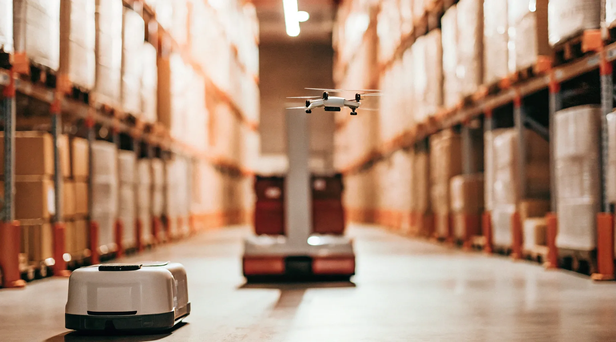
This is where the physical work gets a high-tech upgrade. Automated picking systems and robotics are designed to make finding and retrieving products faster and more accurate. This can range from simple conveyor belts that move items through the warehouse to advanced robotic arms and autonomous mobile robots (AMRs) that find products for an order. Implementing these systems can dramatically increase your order processing speed and reduce human error. When a robot picks the right item every time, you see fewer incorrect orders and happier customers. This technology handles the heavy lifting, freeing up your team to focus on more complex tasks like quality control and packing.
Inventory Management Software
While a WMS oversees the entire warehouse, inventory management software is laser-focused on your products. One of the biggest headaches for e-commerce businesses is inaccurate inventory tracking, which leads to overselling items you don’t have or missing out on sales because you thought you were out of stock. Advanced inventory management software solves this by providing real-time tracking of your stock levels across all your sales channels. This means if you sell a product on your website, the inventory count is instantly updated on your Amazon store, too. This level of control is essential for effective product and SKU management and preventing costly inventory mistakes.
Shipping Automation Tools
The final piece of the puzzle is getting the packed order to the customer. Shipping automation tools handle the last leg of the journey by streamlining everything from printing labels to sending tracking updates. This software connects your sales channels and warehouse systems to automatically generate the correct shipping labels, compare carrier rates to find the best price, and notify customers that their order is on the way. This integration creates a much smoother operation and removes the manual work of copying and pasting addresses or looking up tracking numbers. It ensures the final step in the customer’s buying journey is just as seamless and professional as the first.
Streamline Operations with Automated Order Processing
Automated order processing is the engine that drives your entire fulfillment strategy. It’s about using technology to manage every step of an order’s journey, from the moment a customer clicks “buy” until the package is on its way. Think of it as a digital command center that takes over the repetitive, time-consuming tasks that can bog down your team and introduce human error. Instead of manually entering data, checking inventory levels, and printing labels, you let software handle the heavy lifting. This is where you move from simply managing orders to truly optimizing your operations.
This shift does more than just save a few minutes here and there. It creates a seamless, efficient workflow that reduces costs, minimizes mistakes, and ultimately makes your customers happier. When orders are processed quickly and accurately, you build trust and encourage repeat business. An integrated system for fulfillment automation connects all the dots, ensuring that from payment to packing, every action is triggered automatically. This frees up your team to focus on what really matters: growing your business, improving your products, and connecting with your customers. It’s the difference between constantly putting out fires and having a system that prevents them from starting in the first place.
Capture and Validate Orders in Real-Time
The moment a customer completes a purchase, your automated system gets to work. It instantly captures all the order details—what was bought, who bought it, and where it’s going—without any manual data entry. More importantly, it validates this information in real-time. The system can check for potential fraud flags, verify that the shipping address is correct, and confirm that the payment has been processed successfully. This first step is crucial for preventing costly errors down the line, like shipping a package to the wrong address or processing a fraudulent order. By automating this process, you ensure every order starts on the right foot.
Allocate Inventory Automatically
Once an order is validated, the system immediately allocates the necessary inventory. It communicates with your inventory management software to deduct the purchased items from your stock levels across all your sales channels. This prevents you from accidentally selling a product you no longer have, a frustrating experience for both you and your customer. If you operate from multiple locations, the system can intelligently pull inventory from the warehouse that makes the most sense. Effective product and SKU management is the backbone of this process, ensuring your stock counts are always accurate and up-to-date, no matter how many orders you receive.
Route Orders Based on Priority
Not all orders are created equal. A customer who paid for overnight shipping has different expectations than someone who chose standard ground. An automated system can prioritize orders based on a set of rules you define. It can automatically push rush orders to the front of the queue or route an order to the warehouse closest to the customer to reduce shipping time and costs. This intelligent routing ensures you meet your delivery promises efficiently. You can set up rules based on shipping method, customer location, stock availability, or even customer value, making your fulfillment process both faster and smarter.
Automate Your Returns Management
Fulfillment doesn’t end once an order is delivered. Handling returns, also known as reverse logistics, is a critical part of the customer experience. Automation can transform this often-chaotic process into a smooth, organized workflow. You can set up a system that allows customers to initiate returns and print their own shipping labels through an online portal. As returned items arrive, the system can track them and guide your team on the next steps—whether it’s restocking the item, setting it aside for inspection, or issuing a refund. Automating returns not only saves time but also provides a better experience for your customers, making them more likely to shop with you again.
Key Benefits of Automating Fulfillment
Switching to an automated fulfillment process can feel like a big step, but the rewards are even bigger. Think of it as giving your business a superpower. Instead of spending hours on manual, repetitive tasks, you can focus on what you do best—growing your brand and connecting with customers. Automation streamlines everything from the moment a customer clicks "buy" to the second their package arrives at their door.
This shift does more than just save you time. It introduces a level of precision and speed that's tough to match manually. You'll see fewer errors, which means fewer costly returns and happier customers. Plus, when your sales suddenly spike during a holiday or a big promotion, your fulfillment process won't buckle under the pressure. It will scale right along with your success. Let's look at exactly how fulfillment automation can transform your operations.
Improve Efficiency and Save Costs
One of the most immediate benefits of automation is how it streamlines your entire workflow. By letting technology handle the repetitive steps of order processing, you free up your team to work on more strategic tasks. This efficiency translates directly into cost savings. Automated systems reduce the need for manual labor and can optimize everything from packaging materials to shipping routes. By analyzing order data, the system can find the most cost-effective shipping options, helping you secure better rates and pass those savings on to your customers or your bottom line.
Reduce Errors and Improve Accuracy
We’ve all been there—a simple typo in a shipping address can lead to a lost package and an unhappy customer. Manual data entry is a major source of these kinds of fulfillment errors. Automation practically eliminates them. When an order comes in, the system captures the information directly and sends it through the fulfillment process without any manual re-typing. This means the right product gets packed and sent to the right address, every time. This level of accuracy reduces the high cost of shipping errors and helps build a reputation for reliability and trust with your customers.
Speed Up Processing for Happier Customers
In today's market, customers expect fast delivery. Fulfillment automation is your key to meeting and exceeding those expectations. As soon as an order is placed, an automated system gets to work processing it, allocating inventory, and sending it to the warehouse floor for picking and packing. This happens in minutes, not hours. By cutting down the time between order placement and shipment, you significantly shorten your delivery window. Faster deliveries lead to a better overall shopping experience, which encourages positive reviews, repeat business, and a stronger customer service reputation.
Scale Easily for Peak Seasons
Every e-commerce business dreams of a massive sales spike, but a sudden flood of orders can overwhelm a manual fulfillment process. This is where automation truly shines. An automated system is built to handle high volumes without skipping a beat. Whether it's Black Friday or a viral social media moment, your operations can scale instantly to meet demand. You can run ambitious marketing campaigns with confidence, knowing your fulfillment infrastructure won't be a bottleneck. This flexibility allows you to grow your business without the typical growing pains associated with scaling up.
Overcome Common Fulfillment Automation Challenges
Making the switch to automation is a big step, and it’s completely normal to feel a little hesitant. While the benefits are clear, new technology can bring new challenges. The good news is that the most common hurdles—like cost concerns, tech headaches, and team training—are entirely manageable with the right approach. By understanding these potential obstacles ahead of time, you can create a clear plan to handle them, ensuring your transition to an automated system is smooth and successful. Let’s walk through some of the typical challenges and how you can confidently address them.
Debunking Automation Cost Myths
One of the first questions that comes up is about cost. There's a common myth that automation is an expensive luxury reserved for massive corporations or that it will replace your valuable team members. In reality, modern fulfillment automation is more accessible than ever and is designed to support your team, not replace it. Think of it as an investment that empowers your employees to shift their focus from repetitive, manual tasks to more strategic work that grows the business. Automation handles the tedious work, freeing up your team for problem-solving, customer service, and creative initiatives.
Handle System Integration
If your tech stack feels like a jumble of separate tools that don’t communicate, you’re not alone. A major challenge in fulfillment is getting your sales channels, warehouse software, and customer service platforms to work together. When systems are disconnected, you risk errors, delays, and unhappy customers. The key is to find a solution that connects every part of the fulfillment process. An all-in-one platform ensures that when an order comes in, the information flows seamlessly from your storefront to your warehouse and back to the customer, keeping everyone in the loop.
Train Your Team for a Smooth Transition
New technology is only effective if your team knows how to use it. A smooth transition depends on clear communication and thorough training. It’s important to get your team involved early, explain how the new system will make their jobs easier, and provide hands-on training. Don’t just set it and forget it. Plan for ongoing support and check in with your staff to see where they might need more help. When your team feels confident with the new tools, they’ll be better equipped to keep your operations running efficiently.
Address Implementation Obstacles
Rolling out a new system can feel daunting, but a solid plan makes all the difference. Start by identifying your biggest fulfillment bottlenecks and focus on automating those areas first. It’s also smart to choose a scalable solution that can grow with you. As your order volume increases, your technology should be able to keep up without a hitch. Using a platform with strong analytics and reporting will help you monitor performance, spot any issues early, and make data-driven adjustments to your workflow. This allows you to adapt quickly and ensure your implementation stays on track.
Choose the Right Automation Solution
Picking the right automation solution feels like a huge decision, because it is. The software you choose will become the backbone of your fulfillment operations, so it’s important to find a partner that fits your business perfectly. This isn’t about finding the tool with the most bells and whistles; it’s about finding the one that solves your specific problems and sets you up for future success. A platform that works wonders for a small boutique might not be the right fit for a rapidly growing subscription box service.
To make the best choice, you need to look at your business from a few different angles. Start by getting crystal clear on your current needs and the bottlenecks slowing you down. Then, think about how a new system will connect with the tools you already use—the last thing you want is another disconnected piece of software. Finally, look ahead. Your business won't stay the same, so your fulfillment automation partner should be able to grow with you. This process is about more than just buying software; it's about investing in your business's infrastructure. By carefully considering your needs, integration capabilities, and future growth plans, you can confidently select a solution that streamlines your operations and supports your long-term vision.
Assess Your Business Needs
Before you even start looking at demos, take a step back and analyze your current fulfillment process. Where are things getting stuck? Are you spending too much time manually entering order data, or are picking errors leading to costly returns? Identifying these pain points is the first step to finding a solution that actually helps. Make a list of your biggest challenges, whether it's slow packing times, inaccurate inventory counts, or disorganized shipping. This list will become your shopping guide, helping you focus on the features that will make the most impact on your daily operations and your bottom line.
Check for System Integration
A new automation tool should simplify your life, not complicate it. That’s why system integration is non-negotiable. Your fulfillment software needs to communicate seamlessly with your other essential platforms, like your sales channels, customer service desk, and inventory management system. When all your tools are connected, data flows automatically, eliminating manual entry and reducing the risk of errors. This creates a single source of truth for your entire operation, from the moment an order is placed to the second it lands on a customer's doorstep. A well-integrated system, like one that offers multi-store management, ensures every part of your business is working together.
Plan for Future Growth
The solution you choose today should be able to support your business tomorrow. Think about your goals for the next one, three, and five years. Are you planning to add new products, expand into international markets, or handle major seasonal sales spikes? Your automation platform needs to be scalable enough to handle that growth without breaking a sweat. Look for flexible technology that can adapt to increasing order volumes and evolving business needs. Choosing a scalable partner means you won't have to go through this entire selection process again in a year or two, allowing you to focus on what you do best: growing your business. Good analytics and reporting can also help you anticipate these needs.
Get Started with Fulfillment Automation
Ready to bring automation into your fulfillment process? It’s more approachable than you might think. Getting started is about taking a few deliberate steps to build a system that works for your specific business. You don’t need a fleet of robots overnight. Instead, you can begin by identifying your biggest challenges and finding the right tools to solve them. The goal is to create a smarter, more efficient workflow that saves you time, reduces errors, and helps your business grow. Let’s walk through how you can begin.
Implement Automation in Your Business
At its core, implementing automation means using technology to handle the repetitive, manual tasks involved in getting an order to a customer. This isn't just about robots in a warehouse; it starts with smart software. Automated order fulfillment uses technology to manage everything from tracking inventory and picking products to packing boxes and shipping them out. Think of it as creating a set of rules for your computer systems to follow. This ensures that as soon as an order comes in, the process kicks off without anyone needing to press a button. Good fulfillment automation software can handle these steps seamlessly, freeing up your team to focus on customer service and growth.
Plan for a Successful Rollout
A smooth transition to automation starts with a solid plan. Before you invest in any new tools, take a close look at your current fulfillment process. Where are the bottlenecks? What tasks are eating up the most time or causing the most errors? Answering these questions will help you pinpoint exactly where automation can make the biggest impact. Once you know your needs, you can choose the right tools. Look for software that integrates easily with your existing systems. The key is to find a solution that connects your sales channels, warehouse, and customer service into one cohesive all-in-one platform, preventing data silos and keeping every part of your business in sync.
Partner with a 3PL Provider
You don’t have to build an automated warehouse from the ground up to reap the benefits. For many businesses, partnering with a third-party logistics (3PL) provider is the perfect solution. These companies specialize in storage, fulfillment, and shipping, and the best ones already have sophisticated automation in place. Handing off your fulfillment to a 3PL partner allows you to offer fast, accurate shipping without the massive upfront investment in infrastructure and technology. This is an especially powerful strategy during peak seasons or periods of rapid growth, as it gives you the flexibility to scale your operations up or down as needed.
Related Articles
- What Is Ecommerce Fulfillment Automation? A Guide - Media - Checkout Champ
- Fulfillment Automation - Checkout Champ
Frequently Asked Questions
Where should I start with fulfillment automation? The best way to begin is by looking at your current process and identifying the biggest bottleneck. You don't need to automate everything at once. Pinpoint the one task that consumes the most time or causes the most errors—maybe it's manually creating shipping labels or updating inventory counts. Start by finding a tool that solves that specific problem. Making small, targeted improvements is a great way to see the benefits without feeling overwhelmed.
Is fulfillment automation only for large businesses? Not at all. While large corporations rely heavily on automation, modern technology has made it accessible and affordable for businesses of all sizes. Many software solutions are scalable, meaning they can work for a small shop processing a few dozen orders a day and grow with you as your sales increase. The key is to find a platform that fits your current needs and budget while offering the flexibility to support your future growth.
Will automating my fulfillment process mean I have to replace my team? The goal of automation is to support your team, not replace it. Think of it as taking the repetitive, tedious tasks off their plate so they can focus on more valuable work. When software handles the manual data entry and order tracking, your team is free to work on quality control, improve customer relationships, and contribute to growing the business. It empowers them to be more strategic and less bogged down by monotonous tasks.
What's the real difference between a Warehouse Management System (WMS) and inventory management software? It's helpful to think of inventory management software as a specialist that is laser-focused on one thing: tracking your products. It tells you what you have in stock and where it is. A WMS, on the other hand, is the general manager of your entire warehouse operation. It tracks inventory, but it also directs the entire workflow, from receiving new stock and processing orders to guiding your team on the most efficient picking routes.
How does automation help with the returns process? Automation can transform returns from a logistical headache into a smooth, professional experience. It can power a self-service online portal where customers can initiate their own return and print a shipping label without needing to contact you. On your end, the system tracks the incoming package and provides clear instructions for your team on how to process it once it arrives, whether that means restocking the item or issuing a refund. This keeps the process organized and leaves a positive impression on your customer.